


- Female
- 27 Years
- 29/01/2025
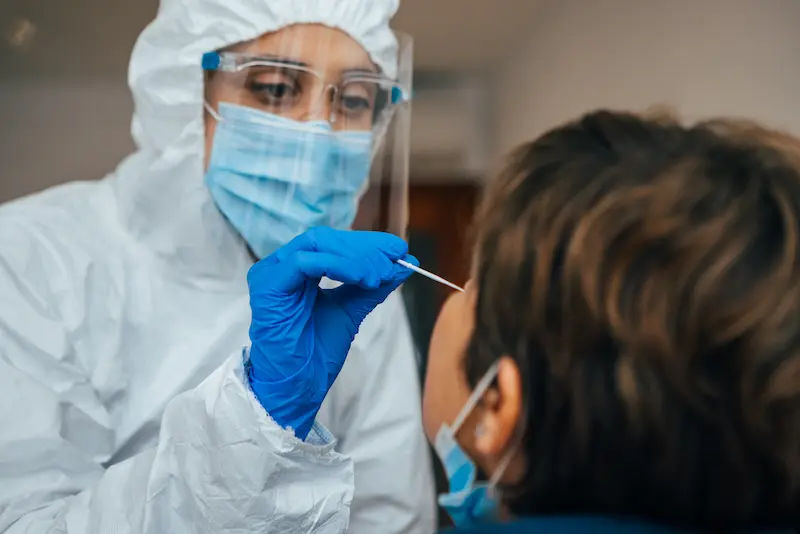
I've heard that someone who had COVID tested negative after 21 days. Is it okay to meet them and have close contact after two months? Is there still any risk of passing on COVID or anything like that? Just trying to be cautious and understand the situation better.

Answered by 1 Apollo Doctors

yes you can meet that person.
Dr. Chandra Suggests...
Consult a Infectious Disease specialist
Answered 04/07/2025
0
0

More Infectious Disease Health Queries
View allI'm a bit worried because I had an encounter with a monkey today, and it chased after me. When I got home, I noticed a small cut, but I'm not sure if the monkey actually touched or scratched me. Should I be concerned about any potential health risks from this?
I f had bleeding then you had risky eposure better to get complete course of ARV,visit physician for the same


Answered by 1 Apollo Doctors
I recently had protected sex on June 26th and got an HIV RNA PCR test done on July 12th, which is like 15 days later. I'm really anxious to know if the results will be accurate. Is it true that you can do an HIV RNA PCR test after just 10 days?
For an accurate HIV RNA PCR test result, it's typically recommended to wait at least 10-14 days after potential exposure. Since you tested 15 days after the incident, it should provide a fairly reliable result, but the accuracy improves with more time. For complete certainty, consult with your doctor.
Answered by 1 Apollo Doctors
I'm really worried about my syphilis tests. About two months ago, my TPHA level was 1320 and RPR was 12. My doctor put me on doxycycline, 100 mg twice a day for 21 days. After finishing the treatment, I tested again and my TPHA had increased to 1640, with the RPR still at 12. They then gave me a penicillin injection, 2.4 mu, and told me to get tested after another two weeks. This time, my results were TPHA 1640 again, but RPR went up to 14. I even did a test at a different lab and the TPHA was 12560 there. I'm scared and not sure what's going on. Can you help me understand these results?
Your test results indicate a persistent syphilis infection, and the treatment outcomes are concerning; the increasing RPR titers (1:2 to 1:4) and varying TPHA results (1:320 to 1:640 to 1:2560) suggest that the infection may not be responding to the treatments administered; consult a specialist,
Answered by 1 Apollo Doctors
Health Articles for you
View all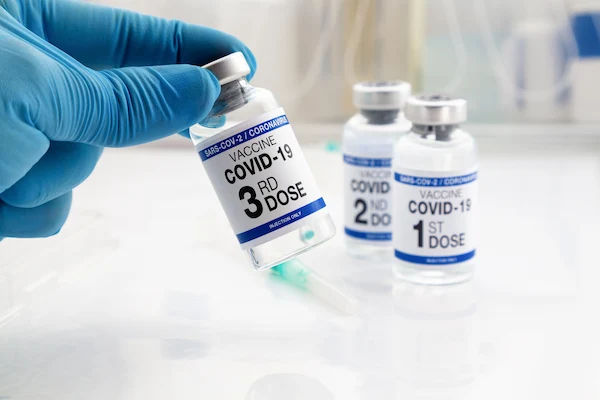

Disclaimer: Answers on Apollo 247 are not intended to replace your doctor advice. Always seek help of a professional doctor in case of an medical emergency or ailment.