


- Male
- 21 Years
- 29/01/2025
I've just got the COVAXIN and I'm a 21-year-old male at 80kg and 165cm. Since getting the shot, I've been feeling some discomfort in my chest area. I've been checking my heart rate, and it's averaging around 100 bpm, but I've also seen it spike to 110, 120, and even 130. I'm starting to get a bit worried about what this means. What should I do?

Answered by 1 Apollo Doctors

Visit Physician for evaluation and appropriate management
Dr. Chandra Suggests...
Consult a Cardiologist
Answered 04/07/2025
0
0

More Cardiology Health Queries
View allI'm a 23-year-old female, around 130 lbs, and I'm really anxious about health stuff recently, especially after reading about various symptoms. A while back, I had the flu with fever, diarrhea, and a low appetite, and though those symptoms are gone, I still feel weak and lightheaded. It got me worried about an electrolyte imbalance. I took two 150 mg doses of fluconazole for a candida infection right after my flu, and I read that's something that could affect potassium levels. Sometimes, I think I'm having heart palpitations, with my resting pulse varying from 59 to 75. It feels like my heart is either pounding or too weak at times. The lightheadedness often kicks in after I walk a lot or panic. I've been trying to up my potassium intake but can't seem to reach the 4700mg target. Do you think this could lead to a significant imbalance or even a cardiac issue?
Visit your Physician for evaluation and appropriate management


Answered by 1 Apollo Doctors
I'm curious about something. Can heart attacks cause just pain in the left arm with no chest pain at all? I've been feeling a bit of pain in my left arm, like above the elbow and sometimes near the shoulder. Should I be worried? Can heart issues manifest as only arm pain and not have any chest pain involved?
ecg and cardiac markers are advised to the pt.
Answered by 1 Apollo Doctors
Hey, my mom's 60 and she's been feeling this heaviness in her chest. They prescribed her Cidmus 50. I'm really curious about why this specific medication is used and what condition it's usually meant to treat?
Cidmus 50 is given to treat angina, which is chest pain or discomfort that occurs when the heart muscle does not receive enough blood. Cidmus 50 contains the active ingredient Atenolol, which helps to reduce the workload on the heart and decrease its oxygen demand. The usual dosage of Cidmus 50 for angina is 50-100mg once daily.
Answered by 1 Apollo Doctors
Health Articles for you
View all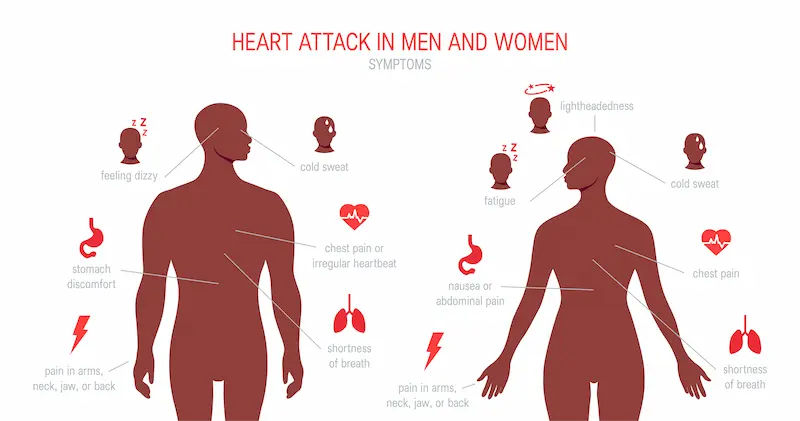


Disclaimer: Answers on Apollo 247 are not intended to replace your doctor advice. Always seek help of a professional doctor in case of an medical emergency or ailment.