


- female
- 45 Years
- 22/01/2025
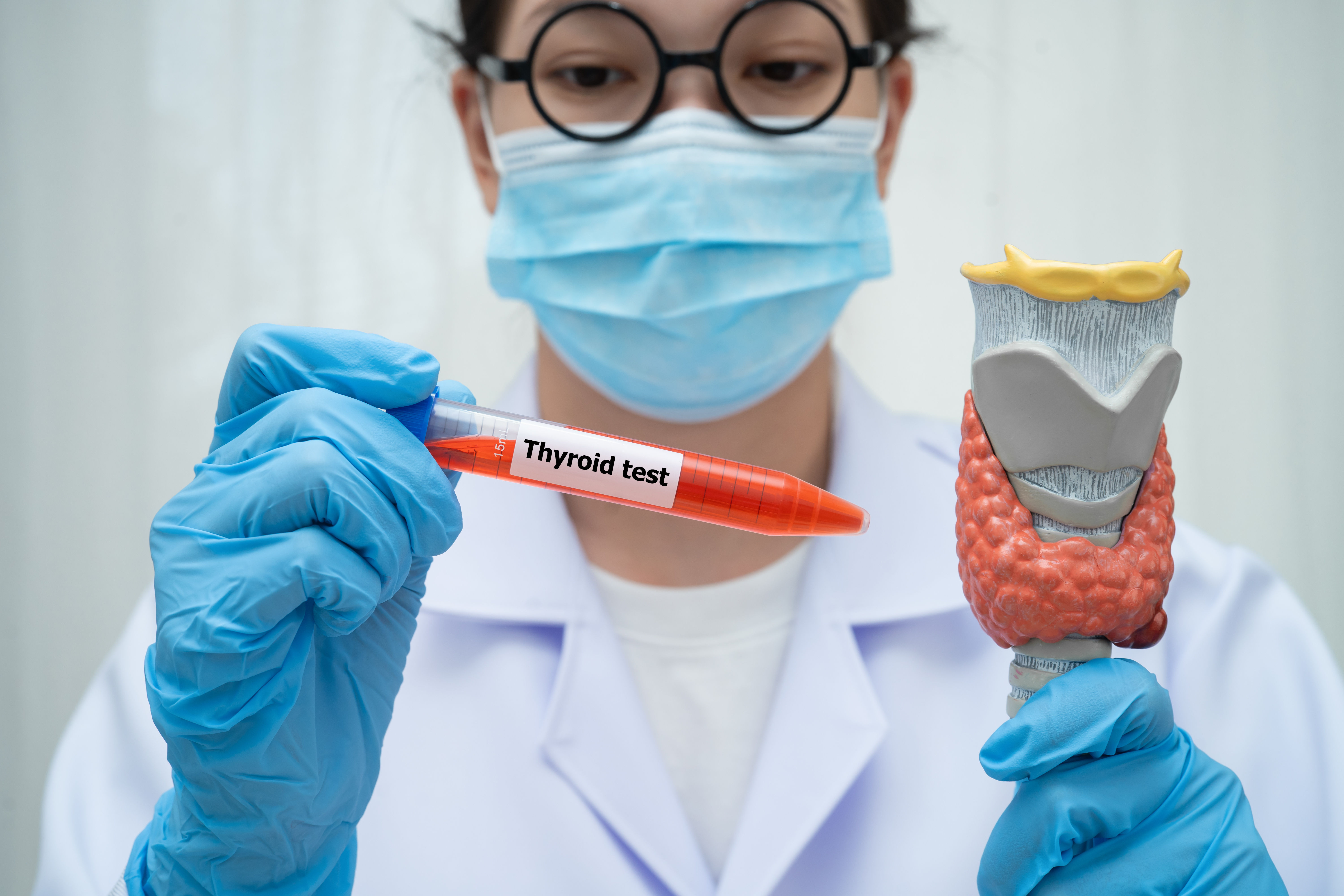
I've just got my thyroid test results, and I'm a bit confused about what they mean. My T3 level is 91.35, T4 is 5.87, and TSH is 10.55. I don't have any symptoms like weight gain or loss. Is this something I should be worried about?

Answered by 1 Apollo Doctors

yes yo can start with levothyroxine 50mcg and repeat test after 3 months
Dr. Dr Khaleel Suggests...
Consult a Endocrinologist
Answered 04/07/2025
0
0

More Endocrinology Health Queries
View allHey, I just got my THS test results and it shows my thyroid level is at 0.06. Is that normal? I'm kind of worried because I'm pregnant and wondering if this level can affect my pregnancy. Also, any advice on how I might be able to improve it if it's not in the normal range? Would really appreciate some guidance here!
-A TSH level of 0.06 is lower than normal, indicating possible hyperthyroidism (an overactive thyroid). This condition can affect pregnancy and needs to be managed carefully to avoid complications. Please consult an endocrinologist for detailed evaluation


Answered by 1 Apollo Doctors
Why is insulin not applied at the nascent stage of diabetes?
Diabetes is either due to no insulin production or ineffective insulin. In patients with no insulin production, we are left with no choice other than giving external insulin to control sugars. In nascent cases of other diabetes we try to control the blood sugar by diet/exercise and medicines. Additionally, when external insulin is given, body's own production goes down and it is suppressed.
Answered by 1 Apollo Doctors
I always thought stress could make us lose weight, but is it possible for stress or anything else to actually make us shorter?
Stress doesn't directly affect height reduction. However, chronic stress can impact growth and development, particularly during childhood and adolescence. Here's why: Why Stress Doesn't Directly Affect Height 1. Adult height is largely determined by genetics (80-90%). 2. Growth plates close naturally around age 18-25, marking the end of vertical growth. Indirect Effects of Stress on Height 1. Hormonal imbalance: Chronic stress can disrupt hormone regulation, potentially affecting growth hormones (GH) and insulin-like growth factor-1 (IGF-1). 2. Malnutrition: Stress can lead to poor eating habits, nutrient deficiencies, and inadequate caloric intake, potentially impacting growth. 3. Sleep disturbances: Stress can disrupt sleep patterns, essential for growth hormone release and bone development.
Answered by 1 Apollo Doctors
Health Articles for you
View all

Disclaimer: Answers on Apollo 247 are not intended to replace your doctor advice. Always seek help of a professional doctor in case of an medical emergency or ailment.