- Male
- 24 Years
- 20/02/2025
I've noticed my tongue has turned white and looks coated over the past week. I tried looking it up online and experimented with some home remedies like brushing with salt and gargling with water, but nothing seems to work. Can you recommend other methods that might help?
More Dermatology Health Queries
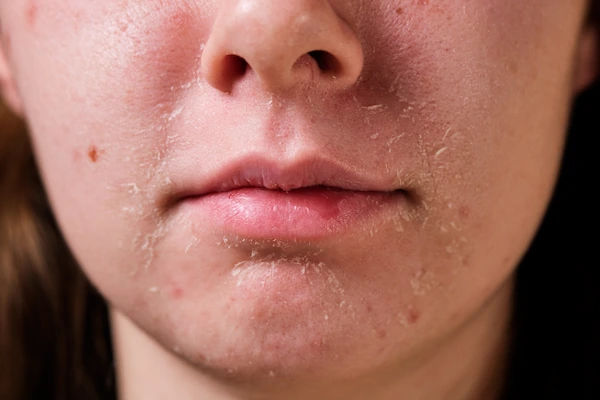
View allI've used Epiduo a couple of times, and now my skin feels like it's burning. Is this normal, or should I be worried? What do you suggest I do to ease the burning sensation?
That might have made your skin sensitive,stop using it and apply good moistirizer,visit Dermatologist for futher management
Answered by 1 Apollo Doctors
I'm experiencing hair fall after recovering from typhoid fever. What steps can I take to minimize this shedding? Any advice would be really appreciated.
Typhoid fever can cause hair loss due to the physical stress it puts on the body. To reduce hair fall after typhoid fever: *Nutrition and Supplements* 1. *Protein-rich diet*: Include protein-rich foods like fish, eggs, beans, and nuts to help rebuild hair follicles. 2. *Iron supplements*: Iron deficiency is common after typhoid fever. Consult your doctor about taking iron supplements. 3. *Vitamin B complex*: Vitamin B complex, especially B12, plays a crucial role in hair growth. Consider taking supplements or eating foods rich in vitamin B. 4. *Omega-3 fatty acids*: Omega-3 fatty acids, found in fish oil supplements, promote hair growth and reduce inflammation. *Hair Care* 1. *Gentle shampooing*: Use a gentle, sulfate-free shampoo to minimize hair breakage. 2. *Reduce heat styling*: Avoid heat styling tools like flat irons, curling irons, and blow dryers, as they can damage hair and lead to breakage. 3. *Use a wide-tooth comb*: A wide-tooth comb is gentler on hair than regular combs or brushes, which can cause breakage. 4. *Avoid harsh chemical treatments*: Postpone chemical treatments like hair dyeing, perming, or straightening until your hair has fully recovered. *Additional Tips* 1. *Stay hydrated*: Drink plenty of water to help your body recover from typhoid fever and promote hair growth. 2. *Reduce stress*: High stress levels can contribute to hair loss. Engage in stress-reducing activities like meditation, yoga, or deep breathing exercises. 3. *Get enough sleep*: Adequate sleep is essential for hair growth and overall health. Aim for 7-8 hours of sleep per night. Consult your doctor or a dermatologist for personalized advice on reducing hair fall after typhoid fever.
Answered by 1 Apollo Doctors
I've had pigment on my face for a few years now and a friend mentioned her mom used clobetamil g and saw great results with her pigment fading. I'm wondering, is it safe for me to try clobetamil g too? Are there any other options I should consider?
Clobetamil G is a topical cream containing clobetasol propionate, a potent steroid, and gentamicin, an antibiotic. _Potential Risks and Side Effects_ 1. _Skin thinning and fragility_ 2. _Acne, rosacea, and perioral dermatitis_ 3. _Allergic contact dermatitis_ 4. _Systemic absorption and hormonal imbalance_ _Safety Precautions_ 1. _Consult a dermatologist_: Before using Clobetamil G, consult a dermatologist to determine the underlying cause of your pigmentation and recommend suitable treatment. 2. _Use under medical supervision_: If prescribed, use Clobetamil G under medical supervision, and follow the recommended dosage and duration. 3. _Monitor for side effects_: Regularly monitor your skin for signs of side effects, and report any concerns to your doctor. _Alternative Treatments for Pigmentation_ 1. _Topical creams_: Hydroquinone, kojic acid, or retinoid creams can help reduce pigmentation. 2. _Chemical peels_: A solution is applied to the skin to remove the top layers and reduce pigmentation. 3. _Microdermabrasion_: A non-invasive exfoliating treatment that helps improve skin texture and reduce pigmentation. 4. _Laser therapy_: Targets specific pigmented areas to break down and remove excess melanin.
Answered by 1 Apollo Doctors
Disclaimer: Answers on Apollo 247 are not intended to replace your doctor advice. Always seek help of a professional doctor in case of an medical emergency or ailment.