



- Female
- 21 Years
- 29/01/2025
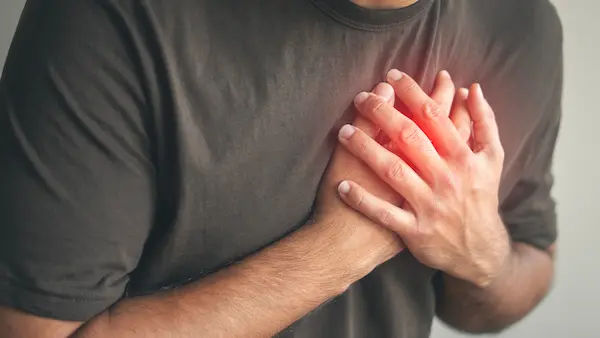
I've noticed this sharp pain in my chest right after I've had lunch, and it's happened a couple of times now. The pain only sticks around for about 30 seconds, but it's like someone's pinching my heart. I also realized I didn't drink any water after eating. Could this be connected to not drinking water, or is it something else I should be worried about?

Answered by 1 Apollo Doctors

It sounds like you may be experiencing episodes of heartburn or acid reflux. To help alleviate this discomfort, you can try taking an antacid medication such as Tums (calcium carbonate) 500mg as needed after meals. Additionally, it is important to stay hydrated throughout the day by drinking water regularly. If the symptoms persist or worsen, it is recommended to consult with a healthcare professional for further evaluation and management.
Dr. Kareemulla Suggests...
Consult a Cardiologist
Answered 04/07/2025
0
0

More Cardiology Health Queries
View allLately, my blood pressure seems to be higher than what's considered normal, at 12080. I found this out during my annual medical check-up, and now I can't stop worrying about it. Any advice on how I can manage this or stop overthinking about my BP?
use medicine


Answered by 1 Apollo Doctors
I'm curious about whether there's a connection between having a hysterectomyspecifically when the ovaries are still healthyand the potential for heart-related issues down the line. Can you shed some light on this for me?
The removal of the uterus, known as a hysterectomy, is not directly correlated with an increased risk of heart-related diseases in the future, as long as the ovaries are functioning normally. However, there may be an increased risk of cardiovascular disease if both the uterus and ovaries are removed before natural menopause, due to the sudden decrease in estrogen levels. If the ovaries are intact and functioning normally after a hysterectomy, the risk of heart-related diseases is not significantly increased.
Answered by 1 Apollo Doctors
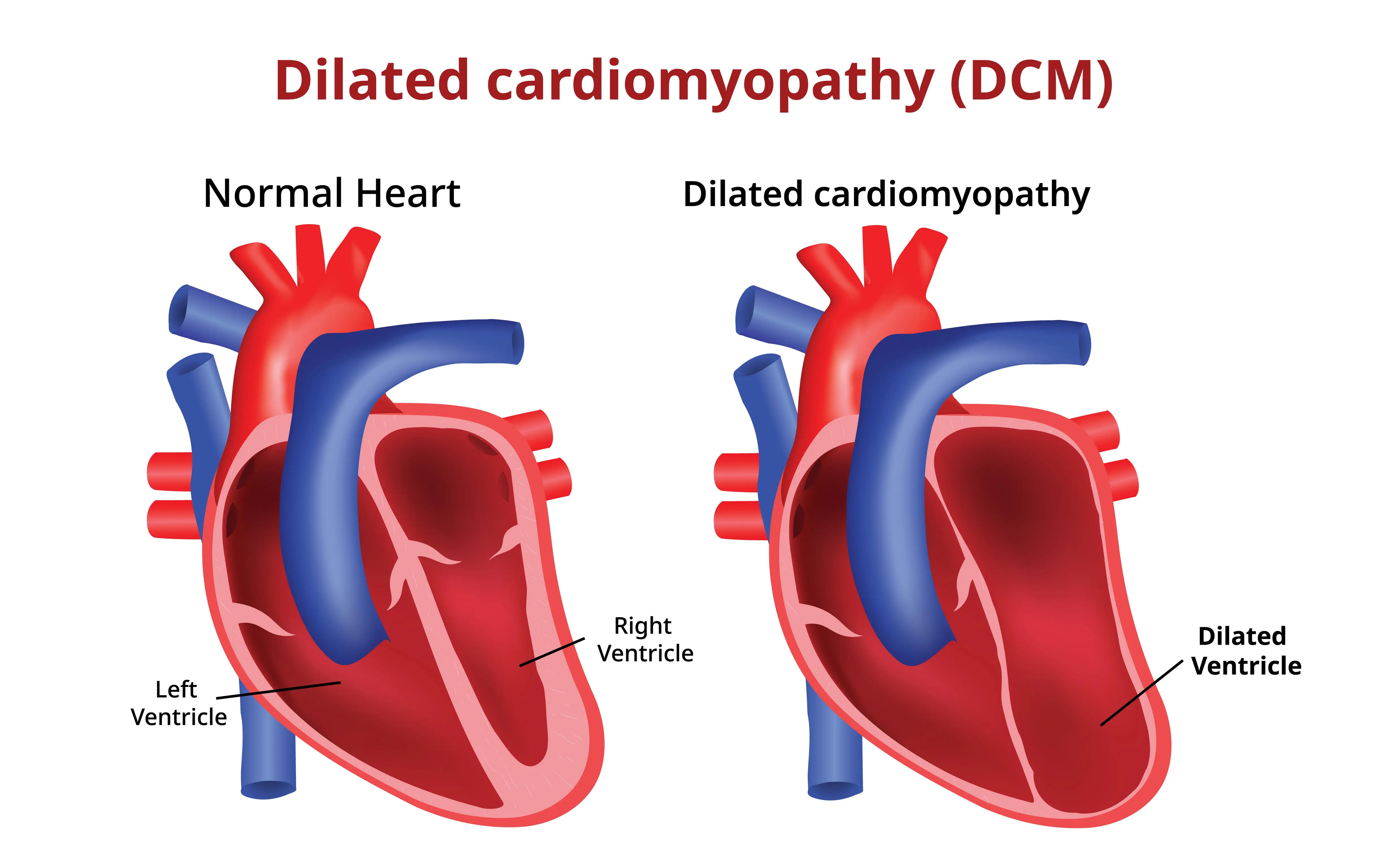
I'm really worried because I'm 26 and I've been having some heart pain, shortness of breath, and light dizziness. My lipid profile is normal, but my 2D Echo showed a Left ventricle size of 4.0 x 3.0 cm, IVSD 0.8 cm, LVPW 0.8 cm, EF 47, and FS 23. Everything else seemed normal. Is this something I should be really concerned about? Is it fixable, and can I get back to my normal life? I'm feeling scared and unsure about what steps to take.
Based on your symptoms and the findings from your 2D Echo, it is important to further evaluate your condition. The slight heart pain, shortness of breath, and dizziness could be indicative of a cardiac issue. With an EF of 47% and FS of 23%, there may be some impairment in your heart's pumping function. To address this, you may benefit from medication to improve your heart function and symptoms. I recommend starting with a beta-blocker such as Metoprolol (25-50 mg once daily) to help reduce your heart's workload and improve its efficiency. Additionally, an ACE inhibitor like Enalapril (5-10 mg once daily) can also be beneficial in improving heart function. It is important to follow up with a cardiologist for further evaluation and management. Lifestyle modifications such as a heart-healthy diet, regular exercise, and stress management are also crucial in improving your heart health. With proper treatment and lifestyle changes, many individuals can lead a normal life with cardiac conditions. Remember, early detection and management are key in addressing any potential heart issues. Take care and follow up with your healthcare provider for personalized care and guidance
Answered by 1 Apollo Doctors
Health Articles for you
View all
Disclaimer: Answers on Apollo 247 are not intended to replace your doctor advice. Always seek help of a professional doctor in case of an medical emergency or ailment.