


- male
- 50 Years
- 22/01/2025
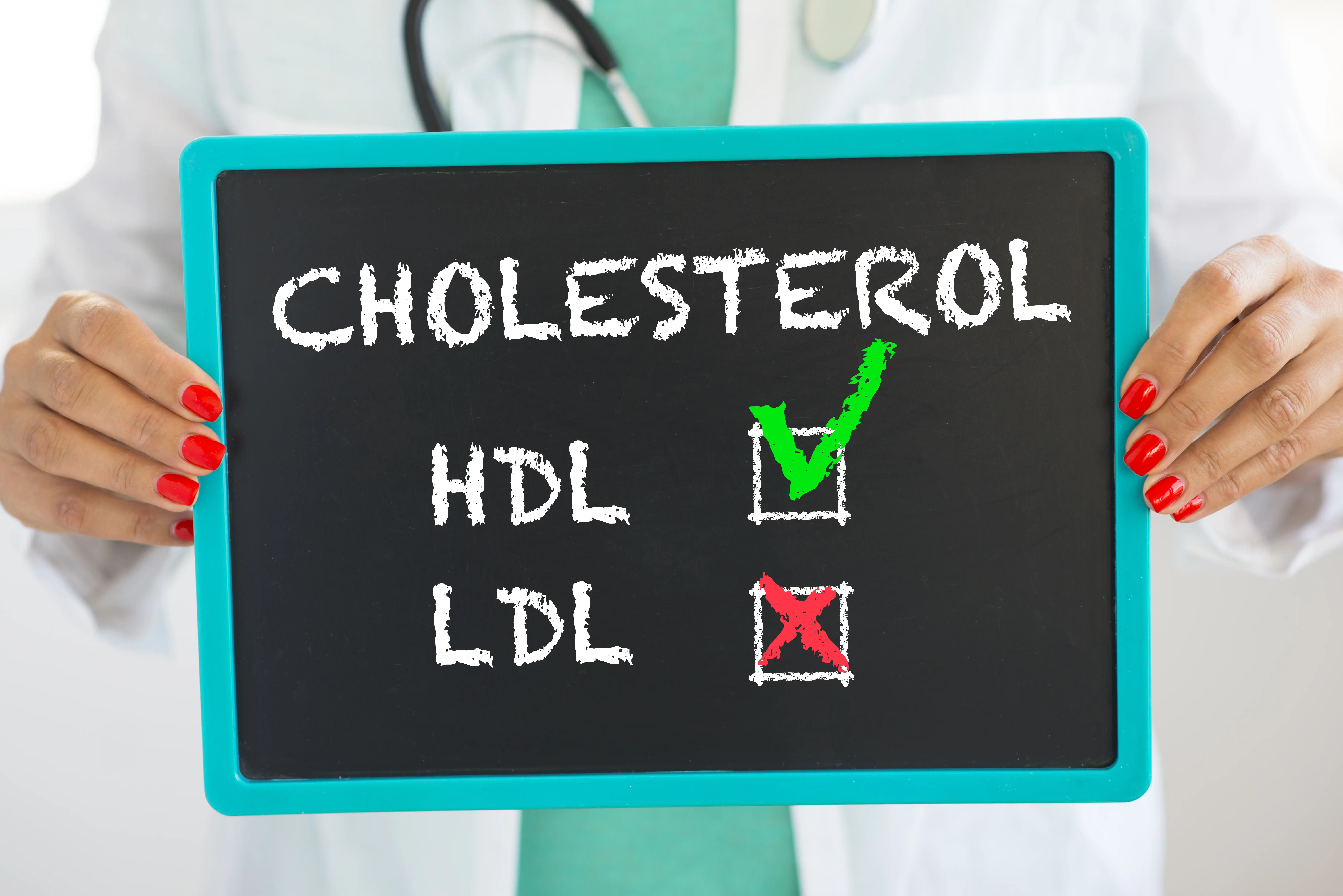
I've noticed some changes in my recent lab results, and I'm a bit worried. My triglycerides have gone up from 374 in December to 470 mgdl now. My HDL improved from 31 to 42 mgdl, but my LDL dropped from 153 to 78 mgdl and my VLDL jumped from 34 to 94 mgdl. I haven't taken any medicine, just changed my diet and stopped eating out. Should I see a cardiologist or just a regular physician?

Answered by 1 Apollo Doctors

You should first cut down on oils, butter and fried foods. Daily brisk walk for at least 30mins
Dr. Mubarak Suggests...
Consult a Cardiologist
Answered 04/07/2025
0
0

More Cardiology Health Queries
View allI'm currently taking Olmezest 40, but it's getting really pricey. Should I switch to Olmetime 40 instead? What's the difference between the two?
Both are same in the composition. ..economical and cost effective depends on affordability..


Answered by 1 Apollo Doctors
Is cheese bad for cholesterol?
yes , consuming too much could lead to high cholesterol
Answered by 1 Apollo Doctors
I'm having these episodes of anxiety throughout the day, and even when I'm calm and just doing my usual stuff, it sometimes feels like my heart skips a beat or beats really hard. It freaks me out. I can't tell if it's just the anxiety acting up or if there's something else going on. Any idea what's causing this? I'm really worried.
It sounds like you may be experiencing palpitations, which can be a common symptom of anxiety. However, it's important to rule out any other underlying medical conditions that may be causing these symptoms. I recommend you try taking Propranolol (Inderal) 10mg twice daily to help with both the anxiety and palpitations. Additionally, practicing relaxation techniques such as deep breathing exercises or mindfulness meditation may also be beneficial in managing your symptoms.
Answered by 1 Apollo Doctors
Health Articles for you
View all

Disclaimer: Answers on Apollo 247 are not intended to replace your doctor advice. Always seek help of a professional doctor in case of an medical emergency or ailment.