


- female
- 60 Years
- 14/08/2025
My aunt had bypass surgery and is on Acitrom 2mg. The doctor warned that mixing other meds with Acitrom could cause serious side effects. Now another doctor prescribed Amifru 40mg for her leg pain. Will there be any issues if she takes both together?

Answered by 1 Apollo Doctors

no problem you can take.
Dr. Kamran Suggests...
Consult a Cardiologist
Answered 14/08/2025
0
0

More Cardiology Health Queries
View allI'm really worried about my wife. She's 63 and her blood pressure reading is 14090. She's been taking Amlokind 2.5 mg like the doctor advised, but I'm not sure if this reading is okay for her age. Our doctor said it's normal, but I just want to double-check. Is there anything else we should be doing or watching out for?
take medicine


Answered by 1 Apollo Doctors
I recently got an ECG done that showed IRBBB, and after that, I had an echocardiogram and TMT, which both turned out normal. Should I be doing these tests every year? And do you know why the IRBBB showed up in my ECG? Is there any treatment I should consider for this?
Intermittent Right Bundle Branch Block (IRBBB) is a common finding in electrocardiograms and is usually considered a benign condition, especially if other cardiac tests such as echocardiogram (echo) and exercise stress test (TMT) are normal. It is not typically associated with any symptoms or specific treatment. In your case, since your echo and TMT results were normal, there may not be a need to repeat these tests every year unless your doctor specifically recommends it based on your overall health condition. IRBBB can sometimes be a normal variant or can be associated with underlying heart conditions, so it is important to follow up with your healthcare provider for further evaluation and guidance. If you do not have any symptoms and your other cardiac tests are normal, no specific treatment may be necessary for IRBBB. However, it is important to maintain a healthy lifestyle, including regular exercise, balanced diet, and avoidance of smoking and excessive alcohol consumption to promote overall heart health.
Answered by 1 Apollo Doctors
I've attached my reports here and I'm a bit worried about the results. Can you please help me understand if the problem is serious and let me know if there's anything that can be done to treat it?
This is a serious condition that needs to be managed properly to prevent complications. You can start taking Amlodipine (brand name Norvasc) at a dosage of 5mg once daily to help lower your blood pressure. Additionally, lifestyle modifications such as reducing salt intake, exercising regularly, and maintaining a healthy weight can also help in managing high blood pressure. Regular follow-up with your healthcare provider is important to monitor your progress and make any necessary adjustments to your treatment plan.
Answered by 1 Apollo Doctors
Health Articles for you
View all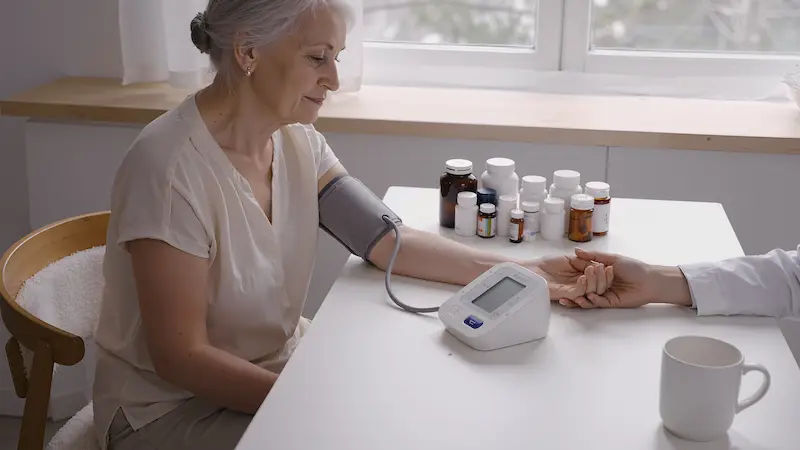

.webp)

Disclaimer: Answers on Apollo 247 are not intended to replace your doctor advice. Always seek help of a professional doctor in case of an medical emergency or ailment.