


- Male
- 0 Years
- 20/02/2025
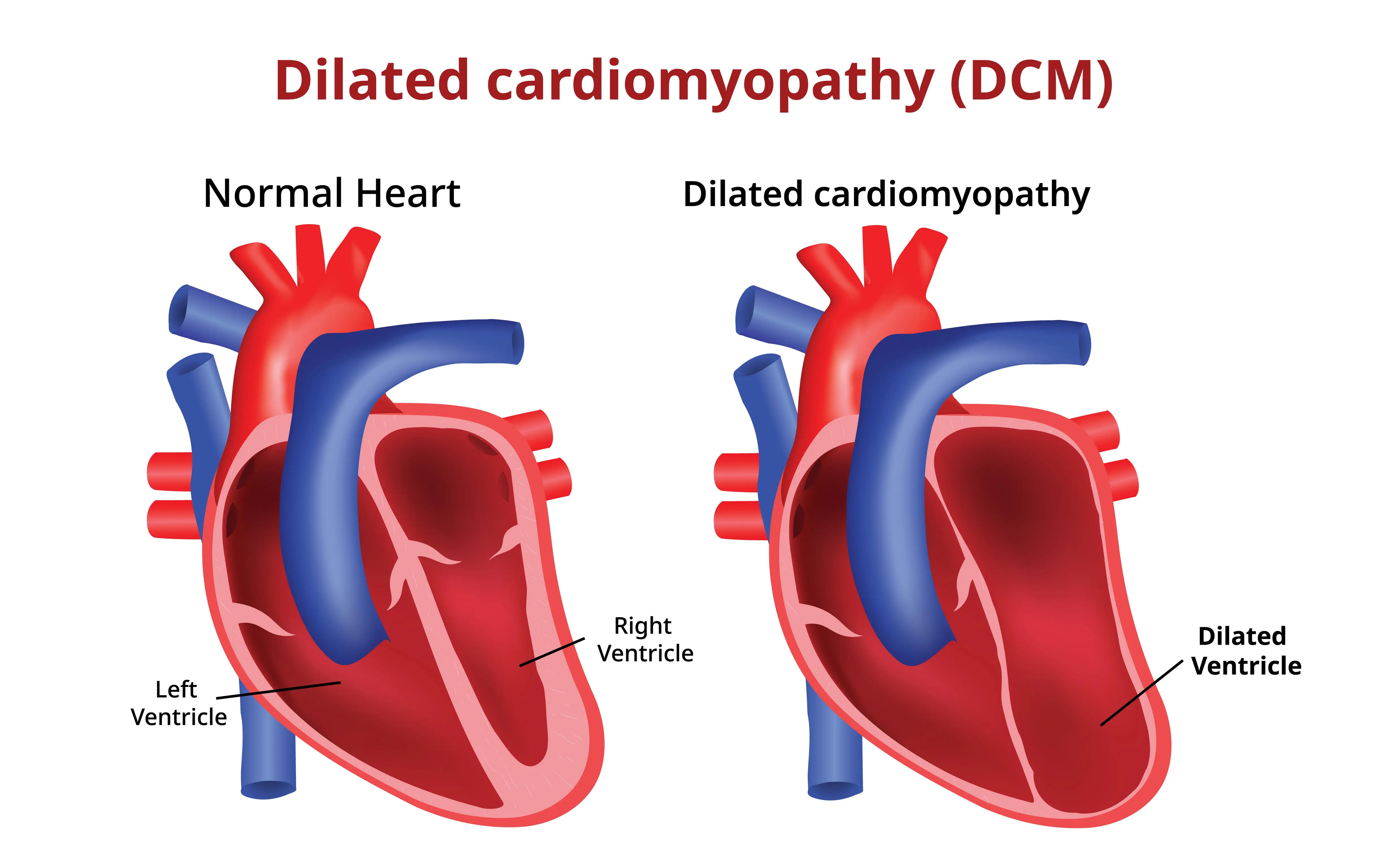
My dad had bypass surgery about 20 years ago, and now the doctor is suggesting he needs a CAG. They mentioned something about "30 working," and I'm not completely sure what that means. He's 60 years old now. Is it safe for him to go through this procedure again at his age?

Answered by 1 Apollo Doctors

"Dear Sir, based on your father's history of bypass surgery and the current recommendation for CAG due to 30% heart function, it is important to proceed with caution. Given his age of 60 years, the procedure can still be safe. Your father may benefit from medications like Clopidogrel 75mg and Atorvastatin 40mg to manage his heart condition. It is important to follow your doctor's advice closely and monitor for any potential complications. Regular follow-up appointments are essential for his ongoing care and management."
Dr. Chandra Suggests...
Consult a Cardiologist
Answered 04/07/2025
0
0

More Cardiology Health Queries
View allI've been experiencing some fluctuations in my blood pressure and pulse rate. Sometimes my blood pressure goes to 9060, and my pulse hits 112, but other times, my pulse rate drops to around 60. I'm really wondering if this is something normal. Could you help me understand what's going on?
no its not normal ,visit Cardiologist for evaluation and appropriate management


Answered by 1 Apollo Doctors
I'm feeling a bit uneasy when I take deep breaths and there's a mild pain in my chest that comes and goes. It's not there all the time, but sometimes it hurts. Should I be worried? What might be causing this?
do chest xray
Answered by 1 Apollo Doctors
When should we check BP?
The first measurement should be in the morning before eating or taking any medications, and the second in the evening.
Answered by 1 Apollo Doctors
Health Articles for you
View all



Disclaimer: Answers on Apollo 247 are not intended to replace your doctor advice. Always seek help of a professional doctor in case of an medical emergency or ailment.