


- male
- 60 Years
- 14/08/2025
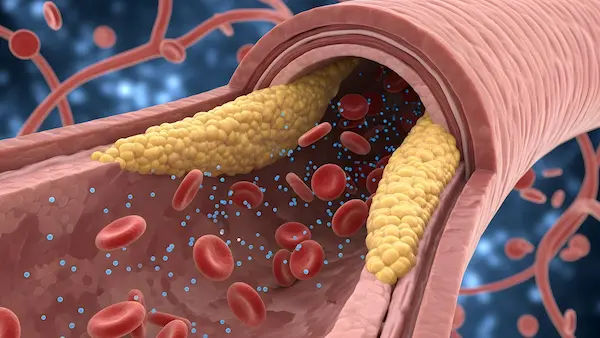
My dad has a blockage in all three heart arteries and the doctor recommended bypass surgery. Is this really the best option or are there other treatments we should consider? I'm worried about the risks and recovery time.

More Cardiology Health Queries
View allI'm really worried about the possibility of having plaque in my arteries or if my coronary artery might be narrowing. Could you please tell me what tests I should consider to find this out? I just want to make sure I'm covering all the bases and keeping my heart healthy.
The tests to detect plaque in arteries or narrowing of coronary arteries include: 1. Coronary Angiography: This test involves injecting a contrast dye into the coronary arteries and taking X-ray images to visualize any blockages or narrowing. 2. CT Coronary Angiography: This non-invasive test uses a CT scanner to create detailed images of the heart and blood vessels to detect any plaque buildup. 3. Stress Test: This test measures the heart's response to physical activity or medication to detect any reduced blood flow to the heart muscle, which can indicate narrowing of the coronary arteries. 4. Intravascular Ultrasound (IVUS): This test uses sound waves to create detailed images of the inside of the coronary arteries to detect any plaque buildup. 5. Cardiac Catheterization: This invasive test involves inserting a catheter into the coronary arteries to measure blood flow and detect any blockages or narrowing. These tests can help diagnose plaque buildup or narrowing of the coronary arteries.


Answered by 1 Apollo Doctors
I'm dealing with mitral stenosis and had a balloon mitral valvotomy about two years ago. I'm really anxious to know about my life expectancy now. I've attached my ECG and echo results. Could you help me understand what to expect going forward?
"Based on your history of mitral stenosis and previous balloon mitral valvuloplasty (BMV) done 2 years ago, your life expectancy can vary depending on various factors such as the severity of the stenosis, your overall health, and any other underlying medical conditions. It is important to regularly follow up with your cardiologist for monitoring and management. For mitral stenosis, medications such as diuretics, beta-blockers, and anticoagulants may be prescribed to manage symptoms and prevent complications. In some cases, surgical intervention or another BMV procedure may be recommended. Without reviewing your specific ECG and echo results, I cannot provide a precise estimate of your life expectancy. It is best to discuss this question with your cardiologist who has access to your complete medical history and test results."
Answered by 1 Apollo Doctors
What are the 4 stages of heart failure?
A) High risk of HF(Heart failure )without symptoms or disease B) Structural heart disease but without symptoms or signs C) Structural heart disease with prior or current symptoms D) Advanced HF
Answered by 1 Apollo Doctors
Health Articles for you
View all


Disclaimer: Answers on Apollo 247 are not intended to replace your doctor advice. Always seek help of a professional doctor in case of an medical emergency or ailment.