- Male
- 60 Years
- 22/01/2025
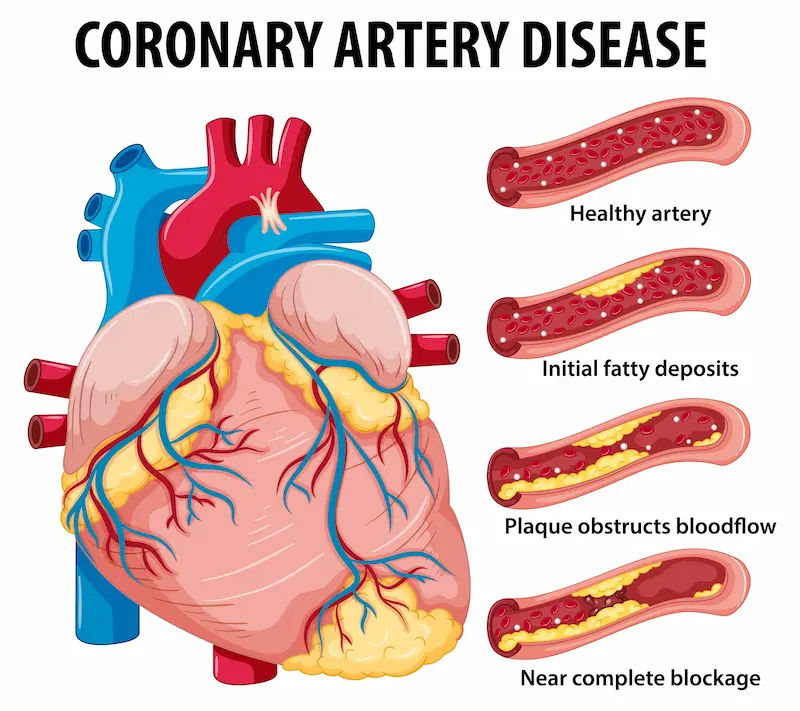
My dad's experiencing some angina pain, and we went to see a doctor at Sgpgi. They recommended an angiography, and it turns out there's an 80% blockage in each of his arteries. What does this mean for his health, and what should we consider doing next?
Answered by 1 Apollo Doctors
The recommended medication for managing angina pain due to blockage in the arteries is Nitroglycerin. It helps to relax and widen blood vessels, improving blood flow to the heart. Additionally, your father may also be prescribed antiplatelet medications like Aspirin to prevent blood clots, and statins like Atorvastatin to lower cholesterol levels and reduce the risk of further blockages.
Dr. Dhankecha Suggests...
Consult a Cardiologist
Answered 04/07/2025
0
0

More Cardiology Health Queries
View allI'm really worried because my heart rate is usually at 100 or above. I check it by counting the pulse on my neck, and it comes out to be something like 24 to 27 pulses in 15 seconds, which is more than 100 when I calculate it for a minute. I have a history of panic attacks that started back in 2015 with a very fast heartbeat, and I was told it might have been due to acid reflux. It happened again in 2019. I'm really scared of traveling, especially late at night during long journeys. I get these terrible thoughts about what if I have an attack and theres no one around to help, like if the train is passing through a jungle. These thoughts just make my heart race even more, and I end up feeling extremely scared. Can you please help me understand what's going on and how I can handle this?
It sounds like you may be experiencing symptoms of anxiety, especially given your history of panic attacks. The rapid heartbeat you are feeling could be related to anxiety and stress. To help manage your symptoms, I recommend trying relaxation techniques such as deep breathing exercises, meditation, or yoga. In terms of medication, you can consider taking a beta-blocker such as Propranolol. Start with a low dose of 10mg once daily, and you can increase it as needed under medical supervision. Beta-blockers can help reduce heart rate and physical symptoms of anxiety. However, it's important to consult with a healthcare professional for a proper evaluation and personalized treatment plan.
Answered by 1 Apollo Doctors
I'm feeling pretty anxious because my ECG report showed T wave inversion, but the TMT test came back normal. I've attached both reports. Since finding out about the T wave inversion, I've started experiencing some chest pressure and slight pain, which I didn't feel before. I'm really concerned whether this could be something serious or if it's just stress-related. Any insight on why this might be happening?
T wave inversion on ECG can sometimes be a normal variant, especially if the TMT test is normal. However, since you are experiencing chest pressure and slight pain, it is important to further evaluate the cause. In this case, considering your symptoms, it would be advisable to start medication to relieve chest pressure and pain. you can take Tablet Ranitidine 150mg twice a day to reduce any acid-related symptoms that may be causing chest discomfort. It is also important to manage stress through relaxation techniques and regular exercise. If the symptoms persist or worsen, further evaluation by a cardiologist may be necessary.
Answered by 1 Apollo Doctors
I'm sitting here with a blood pressure of around 130100. Should I go for a walk, or is it better if I just rest for now since it might go up when I'm active? I'm not sure what's the best thing to do in this situation.
It is generally safe to go for a walk with a blood pressure of 130100. Physical activity can actually help lower blood pressure. However, it is important to start with a gentle walk and monitor how you feel. If you experience any symptoms such as dizziness, chest pain, or shortness of breath, stop and rest. If you are on medication for high blood pressure, make sure to take it as prescribed
Answered by 1 Apollo Doctors
Disclaimer: Answers on Apollo 247 are not intended to replace your doctor advice. Always seek help of a professional doctor in case of an medical emergency or ailment.