


- Male
- 62 Years
- 22/01/2025
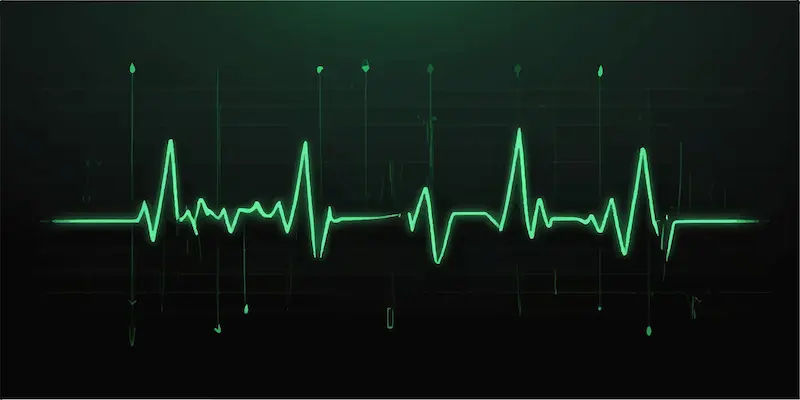
My ECG results came back, and I'm a little confused and concerned. It mentions 800 normal sinus rhythm, but also shows 861 Premature Ventricular Complexes and 302 TV1TV5. It finally says something about an abnormal ECG. Can you help me understand what these numbers mean and if there's something I should be worried about?

Answered by 1 Apollo Doctors

echo and angiography is advised,, cardiac opinion
Dr. Shubham Suggests...
Consult a Cardiologist
Answered 04/07/2025
0
0

More Cardiology Health Queries
View allMy grandmother has been taking Montek LC for about three months now because she started having a mild cough after her cardiac surgery, due to pleural effusion. I'm just a bit worried about whether there might be any side effects from using this medication for such a long period. Also, can it affect her kidneys in any way?
Montek LC, which combines montelukast and levocetirizine, is generally safe for long-term use, but prolonged use can sometimes cause mild side effects like dry mouth, drowsiness, or dizziness. It is not typically harsh on the kidneys, but it's important to monitor kidney function, especially in older adults, during extended use. Regular follow-ups with her doctor would be helpful.


Answered by 1 Apollo Doctors
I'm dealing with this chest pain for the last couple of months, and I've already checked in with a gastric specialist and taken some gas meds. Even had an ECG done and that seemed fine. But I'm still feeling this pain when I move around or lift stuff. Could this be a muscle issue in my chest? Should I be worried, and is there something specific I should be taking to help with it?
Based on your description, it is possible that your chest pain is indeed related to chest muscle pain. To help relieve the pain, you can try taking over-the-counter pain relievers such as acetaminophen or ibuprofen. Additionally, you can use a muscle relaxant such as methocarbamol to help relax the chest muscles and alleviate the pain. It is also important to rest the affected area and avoid activities that worsen the pain. If the pain persists or worsens, it is advisable to follow up with your healthcare provider for further evaluation and management.
Answered by 1 Apollo Doctors
My dad is 54 and started having heart issues about 7 years ago. He's been on medication, but since last year, his ejection fraction dropped first to 38 and now it's at 42. What can we do to help improve his ejection fraction? I'm really worried.
It's important to closely monitor and manage your father's heart condition. To help increase his ejection fraction (EF), the following medications can be considered: - ACE inhibitors like Lisinopril 10mg once daily - Beta-blockers like Carvedilol 6.25mg twice daily - Aldosterone antagonists like Spironolactone 25mg once daily In addition to medication, lifestyle modifications such as regular exercise, a heart-healthy diet low in sodium and saturated fats, and stress management can also help improve EF. Regular follow-ups with his cardiologist are essential to adjust his treatment plan as needed.
Answered by 1 Apollo Doctors
Health Articles for you
View all


Disclaimer: Answers on Apollo 247 are not intended to replace your doctor advice. Always seek help of a professional doctor in case of an medical emergency or ailment.