


- Male
- 34 Years
- 22/01/2025
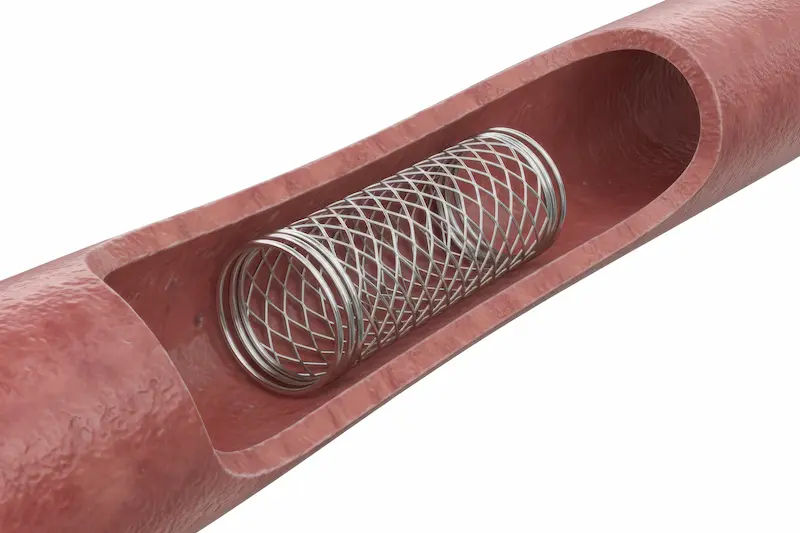
My mom had an angioplasty about 36 hours ago with two stents placed because her artery was fully blocked. Now she's in the ICU and her heart rate is pretty high, like around 152 bpm, and it's averaging about 125 bpm. Plus, she's had low blood pressure a few times. Is this something we should be worried about? Could these be signs of any complications? Would really appreciate your advice.

Answered by 1 Apollo Doctors

The low blood pressure could be a result of reduced heart function or other factors. To address the high heart rate, a beta-blocker medication like Metoprolol can be prescribed to help lower the heart rate. It is important to consult a cardiologist to assess her cardiac function in detail.
Dr. Ranjith Suggests...
Consult a Cardiologist
Answered 04/07/2025
0
0

More Cardiology Health Queries
View allI'm a 27-year-old guy and I've been having some mild chest pain for about six months now. I exercise daily, eat healthy, and I don't smoke. Could this be something serious or is it just anxiety or something else? Should I be concerned?
It's generally safe to use Moxikind (moxifloxacin) for cold and Monocef (cefixime) for cough together. However, consider the following: _Phensedyl (cough syrup)_: Avoid using Phensedyl with Moxikind and Monocef without consulting your doctor, as it may interact with antibiotics. _Consult your pediatrician_ before administering these medications together, especially if your child has any underlying medical conditions or is taking other medications. Also, ensure you: 1. Complete the full course of antibiotics as prescribed. 2. Follow the recommended dosage and administration instructions. 3. Monitor your child's condition and report any adverse reactions or concerns to your pediatrician.


Answered by 1 Apollo Doctors
I've been experiencing some unusual symptoms and I'm getting a bit worried. A few days ago, I had trouble breathing, and then I started feeling pain in my ribs that moved towards my left chest. It happened again recently, and I'm concerned it might be related to a heart issue. Could you please advise me on what this could be or suggest any treatment?
do ECG
Answered by 1 Apollo Doctors
I'm experiencing pain when I tilt my head towards my left shoulder. I also have thyroid issues and asthma. When I move my neck to the left, there's this pain that travels from the back of my neck to my chest. Could this be something connected to my heart?
it may not necessarily be related to your heart. It could be due to muscle strain or tension in your neck and chest area. However, given your history of thyroid issues and asthma, it is important to rule out any other potential causes. To help alleviate the pain, you can try taking over-the-counter pain relievers such as acetaminophen. Additionally, applying a warm compress to the painful area and practicing gentle neck stretches may also provide some relief. If the pain persists or worsens, it is advisable to consult with your healthcare provider for further evaluation and management.
Answered by 1 Apollo Doctors
Health Articles for you
View all


Disclaimer: Answers on Apollo 247 are not intended to replace your doctor advice. Always seek help of a professional doctor in case of an medical emergency or ailment.