


- female
- 50 Years
- 31/03/2021
Is Sleeping on left side bad for heart?

Answered by 1 Apollo Doctors

No. Sleeping on your left side is thought to have the most benefits to your overall health
Dr. Chandra Suggests...
Consult a Cardiologist
Answered 04/07/2025
0
0

More Cardiology Health Queries
View allI'm a bit confused about the TMT and Echo results for my dad, who's 50. The Echo came back normal with an EF of 60, and the TMT showed good effort tolerance. But there were upsloping ST changes at the peak of the test. The report says it's negative for exercise-induced reversible ischemia. Is it normal to have these upsloping ST changes? Should I be worried about this?
The upsloping ST changes at the peak of the TMT test can be considered normal if the test is negative for exercise-induced reversible ischemia. It is important to correlate these findings with your father's overall clinical history and risk factors for heart disease. In this case, no further intervention may be needed based on the test results provided.


Answered by 1 Apollo Doctors
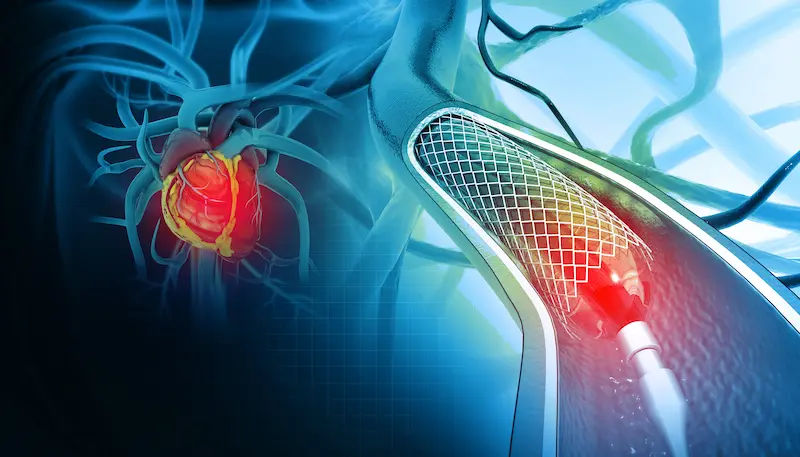
I've been wondering if it's safe for someone with a stent in their main heart artery to laugh a lot. Because laughing can increase blood flow, is there a chance it could lead to a higher risk of blood clotting in the artery?
Laughing is generally considered beneficial for overall health as it can reduce stress and improve mood. In the case of a patient with a stent in the main artery of the heart, laughing in moderation should not pose a significant risk of blood clotting. However, it is important for patients with a stent to follow their doctor's recommendations for medication and lifestyle modifications to prevent complications. If you have any concerns about how laughing may affect your heart health, it is best to discuss them with your healthcare provider.
Answered by 1 Apollo Doctors
What are the 4 stages of heart failure?
Stage 1:Cardiac disease but no symptoms and no physical limitations in ordinary activity. Stage 2: Mild symptoms and slight limitation in physical activity. Stage 3: Siginificant limitation in physical activity due to symptoms, comfortable ony at rest. Stage 4: Severe limitaitons, symptoms even at rest.
Answered by 1 Apollo Doctors
Health Articles for you
View all
Disclaimer: Answers on Apollo 247 are not intended to replace your doctor advice. Always seek help of a professional doctor in case of an medical emergency or ailment.