


- male
- 45 Years
- 31/03/2021
What are the best foods to eat to lower triglycerides?

Answered by 1 Apollo Doctors

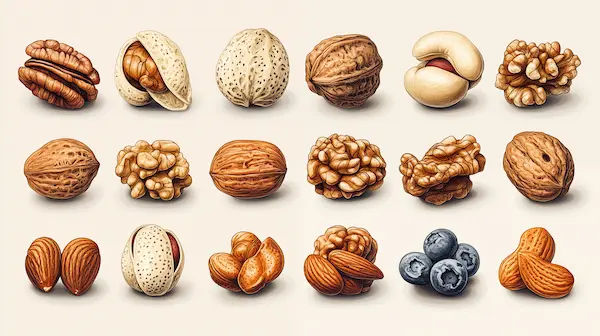
Omega-3 rich fish include salmon, sardines, mackerel, herring, tuna, and halibut. Other foods that help lower triglycerides include fiber-rich foods such as oats, flax meal, and beans. Olive oil, especially when substituted for animal fats like butter or lard, is another food that can help lower triglycerides.
Dr. Dr Khaleel Suggests...
Consult a Cardiologist
Answered 04/07/2025
0
0

More Cardiology Health Queries
View allI'm really concerned about how blood pressure might affect heart health, especially since I'm diabetic. Can you explain whether high blood pressure or low blood pressure is more likely to lead to heart failure for someone in my situation?
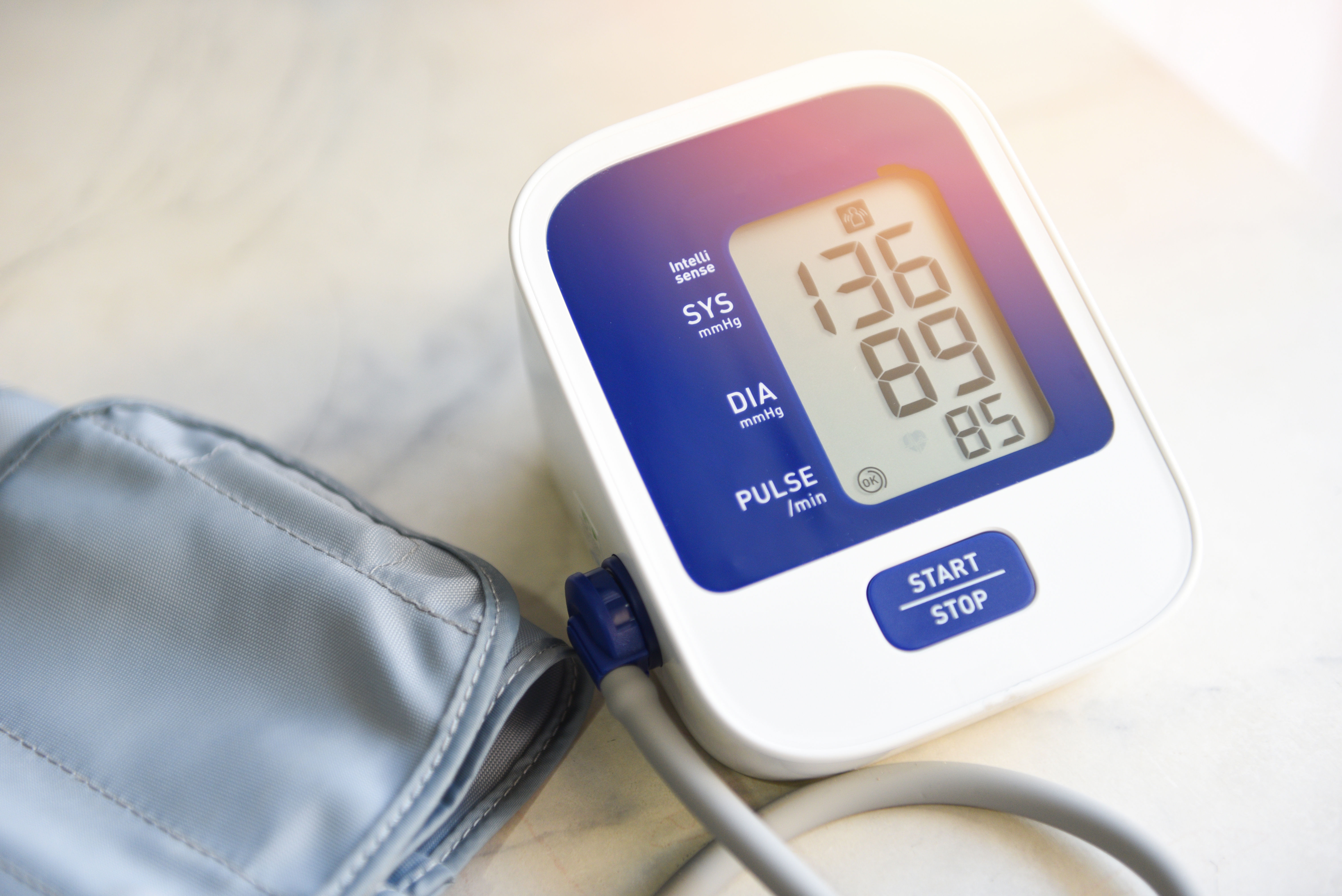
High blood pressure (hypertension) is a common cause of heart failure in diabetic patients. Uncontrolled high blood pressure can lead to the heart working harder to pump blood, which can eventually weaken the heart muscle and result in heart failure. It is important for diabetic patients to manage their blood pressure effectively to reduce the risk of heart failure. For high blood pressure in diabetic patients, medications such as Lisinopril (brand name: Zestril) or Amlodipine (brand name: Norvasc) may be prescribed. The dosage will depend on individual factors and should be determined by a healthcare provider. On the other hand, low blood pressure (hypotension) is generally not a direct cause of heart failure in diabetic patients. However, extremely low blood pressure can lead to inadequate blood flow to the organs, including the heart, which can be harmful. It is important for diabetic patients to regularly monitor their blood pressure, follow a healthy lifestyle, and take medications as prescribed to manage both high blood pressure and diabetes effectively.


Answered by 1 Apollo Doctors
I had this pinching pain in my chest last night, and it slowly spread across the left side. It was there for about 20 minutes and then just vanished. Should I be worried about this?
pain in the chest probable cause could be due to angina,an ECG and troponin T test and CPKMB is advised
Answered by 1 Apollo Doctors
I'm worried about my heart. I've done a bunch of tests like ECG, echo, TMT, and stress echo, and everything's come back normal. But every time I have something like gastric pain or even just diarrhea, I can't shake this fear that I'm having a heart attack. Could this be cardiac anxiety, or is there something else I should worry about? Also, my blood tests were normal except my vitamin D was 13.56 Ngml and B12 was 173.8 ofml. Should I be concerned about those levels?
It sounds like you are experiencing significant anxiety about your heart health, despite having normal cardiac test results. This type of anxiety, often referred to as cardiac anxiety or health anxiety, can cause you to worry excessively about having heart problems even when tests repeatedly show that everything is normal. Your low levels of 25-hydroxyvitamin D (13.56 ngmL) and vitamin B12 (173.8 pmolL) should be addressed, as deficiencies in these vitamins can contribute to overall feelings of fatigue and possibly anxiety. To manage your cardiac anxiety, consider the following steps: 1. Consult a mental health professional: Cognitive-behavioral therapy (CBT) can be very effective in managing health anxiety. 2. Lifestyle changes: Regular exercise, a balanced diet, and mindfulness or relaxation techniques can help reduce anxiety. 3. Vitamin supplementation: Your healthcare provider can recommend appropriate vitamin D and B12 supplements to address your deficiencies. Please discuss your anxiety and vitamin deficiencies with your healthcare provider to develop a comprehensive plan for managing your health and anxiety.
Answered by 1 Apollo Doctors
Health Articles for you
View all_0.webp)


Disclaimer: Answers on Apollo 247 are not intended to replace your doctor advice. Always seek help of a professional doctor in case of an medical emergency or ailment.