


- female
- 50 Years
- 31/03/2021
What are the symptoms of stage 1 kidney disease?

Answered by 1 Apollo Doctors

Blood in urine , higher than normal levels of proteins in your urine, visible evidence of structural damage via CT scan, MRI, ultrasound, or x-ray with contrast.
Dr. Ibrahim Suggests...
Consult a Nephrologist
Answered 04/07/2025
0
0

More Nephrology Health Queries
View allI've recently gotten my serum creatinine level checked, and it's at 1.13. Is this something to be worried about, or is it normal? I got these results last week, and I'm feeling a bit anxious. Could you please help me understand if there's anything I should be concerned about?
Your serum creatinine level of 1.13 mgdL is within the normal range for adults. The normal range for serum creatinine is approximately 0.6 to 1.3 mgdL for males and 0.5 to 1.1 mgdL for females. It is an important indicator of kidney function. To maintain healthy kidney function, it is important to stay hydrated, eat a balanced diet, and avoid excessive intake of medications that can harm the kidneys. If you have any concerns about your kidney health, it is recommended to consult with a healthcare provider for further evaluation and management.


Answered by 1 Apollo Doctors
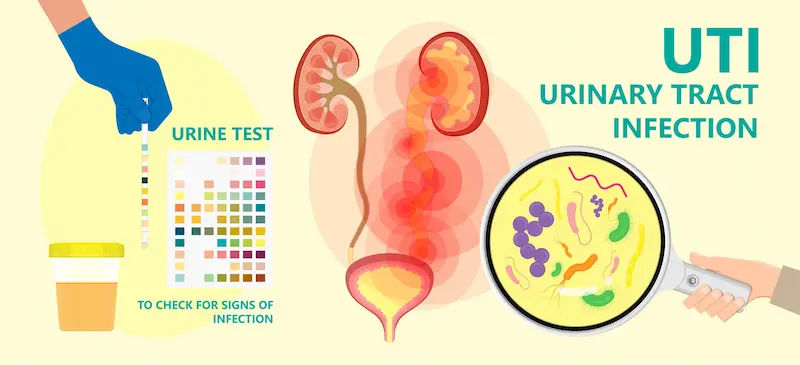
I'm really concerned because my loved one has been diagnosed with pyelonephritis along with bilateral pleural effusion at Wockhardt Hospital on Mira Road. I'm wondering if we should seek a second opinion before starting any treatment. Do you think it's necessary to confirm the diagnosis with another doctor, or should we trust the findings and proceed with the treatment plan they've suggested? Any advice on how to handle this situation would be appreciated.
do CT scan and consult others physicians
Answered by 1 Apollo Doctors
Can CKD be cured?
No cure for CKD, but treatment can relieve symptoms and stop it getting worse.
Answered by 1 Apollo Doctors
Health Articles for you
View all
Disclaimer: Answers on Apollo 247 are not intended to replace your doctor advice. Always seek help of a professional doctor in case of an medical emergency or ailment.