


- female
- 50 Years
- 31/03/2021
What foods can diabetics eat freely?

Answered by 1 Apollo Doctors

Regular and consistent diet is most important, with no feasts and fasts. Split your diet into 3-4 meals. Avoid sugar and sugar containing foods, and fried foods. Avoid fats (butter, oil, malai) and fat rich foods (puri, paratha, chat, namkeen etc.) Choose healthy carbohydrates, such as fruit, vegetables, whole grains, beans, and low-fat milk, as part of your diabetes meal plan.
Dr. Anshul Suggests...
Consult a Endocrinologist
Answered 04/07/2025
0
0

More Endocrinology Health Queries
View allWhat foods can diabetics eat freely without any risk?
Prefer foods lower in fat and calories and higher in fiber. Focus on fruits, green vegetables and whole grains.


Answered by 1 Apollo Doctors
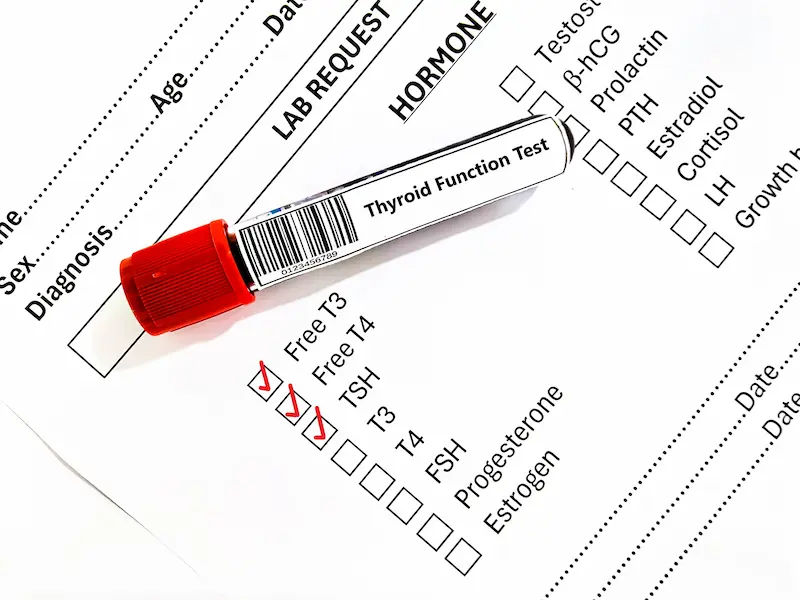
Recently found out I have a pineocytoma and a non-functional pituitary microadenoma on my MRI. I've been taking Eltroxin for thyroid issues for the past 15 years, and my recent hormone tests T3, T4, TSH, prolactin, ACTH, and growth hormone are all normal. Is there any way to treat these tumors with medication or do I need surgery?
NEURO opinion advise.
Answered by 1 Apollo Doctors
I'm a 16-year-old struggling with a few issues and hoping for some advice. I've been habitually masturbating for the past 30 months, and I'm wondering if it might be affecting my health. I'm 5'2", but I really want to grow taller. My menstrual cycle is irregular, and I have problems with constipation and insomnia. I also suffer from anxiety, and it doesn't help that I can get angry quickly and have trouble controlling my frustration. I'm quite moody, but I'm also very ambitious about my career. My weight is around 72 kg, and I feel overweight. Despite working out five times a week, I haven't seen any changes. Should I stop masturbating to help with my weight loss and height growth? Given all these things, what do you suggest regarding my masturbation habits?
Akanksha, considering your overall health and concerns, here are some suggestions: Masturbation and Health 1. Moderation is key: Limit masturbation frequency to 1-2 times a week, allowing your body and mind to balance. 2. Understand triggers: Identify emotional triggers (anxiety, frustration, mood swings) and address them through stress management techniques (meditation, deep breathing, exercise). 3. Explore alternative stress relief: Engage in hobbies, creative activities, or sports to manage stress and emotions. Health Concerns 1. Irregular menstrual cycle: Consult a gynecologist to rule out underlying hormonal imbalances. 2. Constipation: Incorporate fiber-rich foods, stay hydrated, and consider probiotics. 3. Insomnia: Establish a consistent sleep schedule, create a relaxing bedtime routine, and avoid screens before bedtime. 4. Anxiety disorder: Continue therapy or consult a psychologist for guidance. 5. Overweight: Focus on balanced diet (whole foods, fruits, veggies) alongside regular exercise. 6. Height growth: While masturbation doesn't directly impact height, prioritize overall health, nutrition, and hormone balance. Additional Suggestions 1. Nutrition: Eat a balanced diet with calcium, vitamin D, and protein-rich foods to support bone growth. 2. Hydration: Drink plenty of water throughout the day. 3. Exercise: Continue regular exercise, incorporating stretching and strength training to improve overall health. 4. Mindfulness: Practice mindfulness, meditation, or yoga to manage stress and emotions. 5. Sleep: Aim for 7-8 hours of sleep each night. 6. Seek professional help: Consult a pediatrician, gynecologist, or psychologist for personalized guidance.
Answered by 1 Apollo Doctors
Health Articles for you
View all


Disclaimer: Answers on Apollo 247 are not intended to replace your doctor advice. Always seek help of a professional doctor in case of an medical emergency or ailment.