


- male
- 50 Years
- 31/03/2021
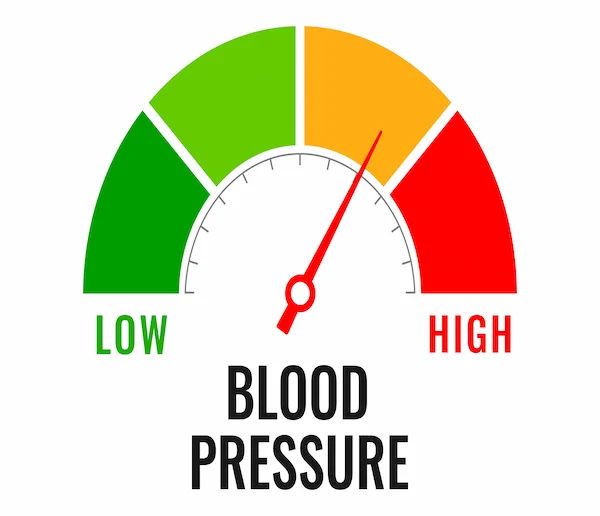
What happens when your BP is high?

Answered by 1 Apollo Doctors

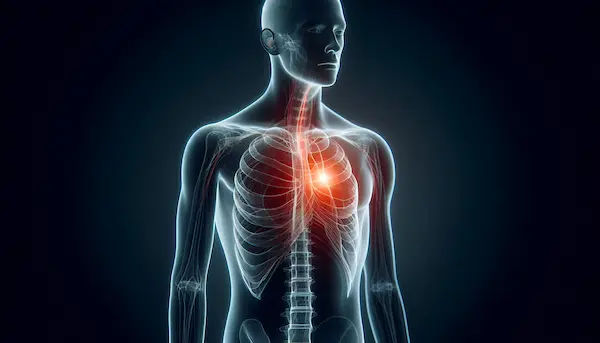
Headaches, Chest pains, Shortness of breath, Light headedness
Dr. Mubarak Suggests...
Consult a Cardiologist
Answered 04/07/2025
0
0

More Cardiology Health Queries
View allI've been having this really awful chest pain for about a month now, and it sometimes feels like my heartbeat is a bit off. After doing a bunch of research, I think it might be esophageal spasms. I went to the ER twice, and they said my EKG and heart monitor were fine. My doctor gave me muscle relaxers, which help with the spasms, but I still cant shake this terrible feeling in my chest. My blood pressure seems okay, it's usually around 120 over 86. I keep feeling my pulse all down my chest and arms, and its been really hard to get any sleep. Could there be something else going on that Im missing?
That could be GERD avoid late night eating and consume bland diet and maintain healthy lifestyle.


Answered by 1 Apollo Doctors
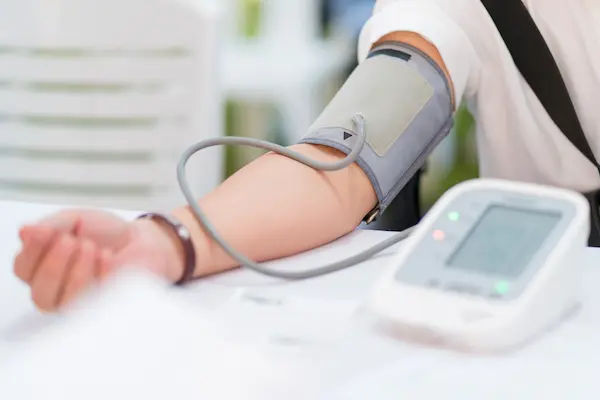
I'm a bit concerned about my dad, who's 72. His blood pressure is 100 over 60, and while he seems healthy and manages to walk around 3 to 4 kilometers each day, I'm wondering if there's anything I should be worried about or keep an eye on. Could you let me know if this needs any special attention?
Since your father is otherwise healthy and active, there may not be an immediate cause for concern. However, it is important to monitor his blood pressure regularly. To help raise his blood pressure, increasing his salt and fluid intake can be beneficial. Encouraging him to drink more water and consume salty foods in moderation can help elevate his blood pressure. In some cases, compression stockings can also be helpful. If his low blood pressure persists or if he experiences symptoms such as dizziness, lightheadedness, or fainting, it would be advisable to consult a healthcare professional for further evaluation and management.
Answered by 1 Apollo Doctors
Can you recommend which Saffola oil is better for a heart patient, especially after they've recently dealt with heart issues? I'm really worried and want to make sure I choose the best option for their health.
For heart health, Saffola Total Pro Heart Oil is a good option. It contains a blend of rice bran oil and safflower oil, which is rich in oryzanol and natural Vitamin E. The recommended dosage is 2-3 teaspoons per day for cooking purposes.
Answered by 1 Apollo Doctors
Health Articles for you
View all
Disclaimer: Answers on Apollo 247 are not intended to replace your doctor advice. Always seek help of a professional doctor in case of an medical emergency or ailment.