


- female
- 40 Years
- 01/04/2021
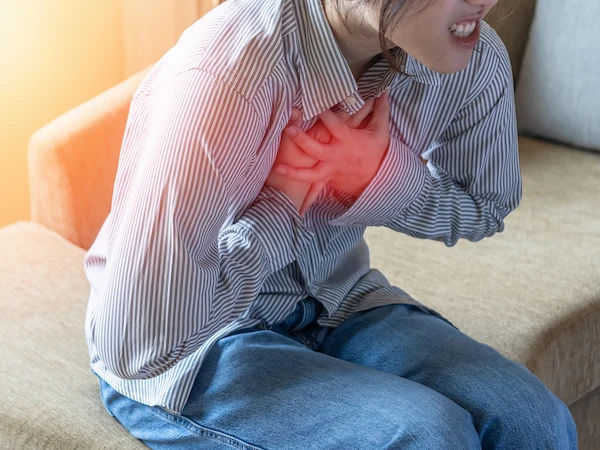
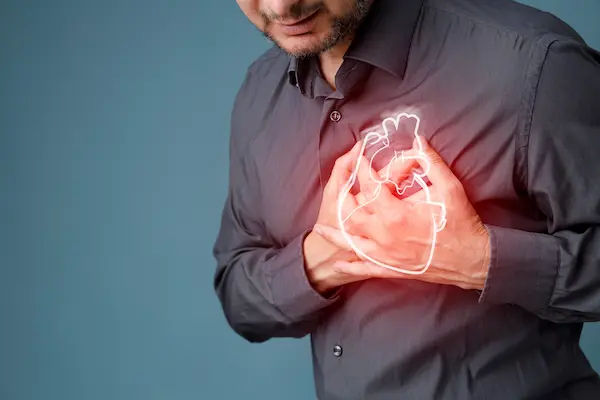
Why does my chest feel heavy?

Answered by 1 Apollo Doctors

It could be because of various reasons like anxiety, GERD, Muscle strain or Heart diseases
Dr. Mubarak Suggests...
Consult a Cardiologist
Answered 04/07/2025
0
0

More Cardiology Health Queries
View allI'm a 54-year-old guy and I've been told I need a heart pacemaker. So, before I go for it, I want to know all the details. Like, how does this thing actually work? What kind of care do I need after getting one? Is it going to be comfortable to live with? And most importantly, should I be worried about any side effects from having a pacemaker?
A pacemaker is a small device that's placed in the chest or abdomen to help control abnormal heart rhythms. It uses electrical pulses to prompt the heart to beat at a normal rate. You may need a pacemaker if your heart beats too slowly, too quickly, or irregularly. After getting a pacemaker, you should avoid vigorous activities that could damage the device. It's important to attend regular follow-up appointments with your doctor to ensure the pacemaker is working properly. Most people find living with a pacemaker to be comfortable and are able to resume normal activities. However, you should avoid certain activities that can interfere with the pacemaker, such as using certain medical devices or undergoing certain medical procedures. Common side effects of a pacemaker include infection at the site of implantation, bleeding, bruising, or swelling. In rare cases, there may be complications such as a collapsed lung or a punctured blood vessel during the implantation procedure. It's important to discuss any concerns with your healthcare provider.


Answered by 1 Apollo Doctors
I'm really concerned about my recent echocardiogram results. It showed everything as normal except it mentioned mild PAH, trivial TR, Grade 1 diastolic dysfunction, and traces of pericardial effusion. My last master health check-up was normal just two months ago. I'm 41, unmarried, and I weigh 108kg, which puts me in the obese range. I've also been experiencing some issues with deep breathing and saw a pulmonologist who prescribed some medication. I'm really anxious about the mild PAH results. Is this something I should be worried about, and is it possible for mild PAH to be reversed? And what about the other findings? Are they serious? I'm planning to do a TMT soon, but this whole thing is stressing me out quite a bit. Could you please help clarify all this?
Mild PAH (Pulmonary Arterial Hypertension) is a condition where there is increased blood pressure in the arteries of the lungs. While mild PAH may not cause immediate concern, it is important to monitor it regularly as it can progress over time. Treatment options for PAH include medications such as Sildenafil or Bosentan to help manage symptoms and improve quality of life. It is important to follow up with your Pulmonologist regularly to monitor the progression of PAH. Trivial TR (Tricuspid Regurgitation) is a common finding in echocardiograms and is often not a cause for concern, especially when it is mild. Grade 1 diastolic dysfunction refers to abnormalities in the relaxation phase of the heart's pumping cycle, which may indicate early signs of heart disease. Traces of pericardial effusion indicate the presence of fluid around the heart, which can have various causes and may need further evaluation. Since you are experiencing deep breathing problems, it is a good idea to follow through with the planned TMT (Treadmill Stress Test) to assess your heart's response to exercise. This test can provide valuable information about your heart's function and help guide further management. Overall, it is important to continue working closely with your healthcare providers, including your Pulmonologist and Cardiologist, to monitor and manage these findings. Regular follow-ups and lifestyle modifications, such as weight loss in the case of obesity, can help improve your overall health and well-being."
Answered by 1 Apollo Doctors
I'm really worried about my mother-in-law. She's 65 and her blood pressure's at 18290. She's had a light headache and even vomited once. I'm wondering if these could be signs of a minor heart attack or if it's just the high blood pressure causing these issues. She's been taking Telma 20 for the high blood pressure and Vertigon D for vomiting. Could you help me understand what's going on?
definitely there could be some neurological deficit get a CT brain doen and visit Physicina for apprpriate management
Answered by 1 Apollo Doctors
Health Articles for you
View all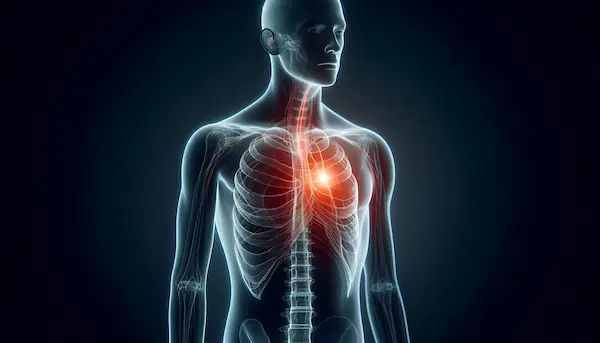

Disclaimer: Answers on Apollo 247 are not intended to replace your doctor advice. Always seek help of a professional doctor in case of an medical emergency or ailment.