


- female
- 40 Years
- 31/03/2021
Why does my chest feel tight and heavy?

Answered by 1 Apollo Doctors

Chest tightness can be a sign of heart disease or GERD or anxiety
Dr. Mubarak Suggests...
Consult a Cardiologist
Answered 04/07/2025
0
0

More Cardiology Health Queries
View allI'm experiencing some pinching and squeezing chest pains, and my heart rate seems to jump between 80 and 120 with some palpitations. The pain tends to be worse in the afternoons after I eat, but it also happens in the evenings, especially when I start thinking about stuff, even small thoughts make my heart rate go up but it does slow down after I get myself to calm down. I've done multiple ECGs, TM tests, and echoes, and they've all been normal so far. There is sinus tachycardia, though. I don't smoke or drink, but I'm dealing with a lot of anxiety and worry. My cholesterol is at 240 and my blood pressure is around 13090. My sugar levels are almost normal and I weigh 70 kgs with a 5.5 height. I follow a light veg South rice diet and don't eat meat. What's causing this chest pain and geyser-like hot sensation? It's really unsettling and causing me some social anxiety. I'm not married and I don't really have much of a social life. What should I do?
patient needs a psychiatric opinion


Answered by 1 Apollo Doctors
I'm currently 30 weeks pregnant and I've been told there's an increased RS ratio in V1, which might suggest an early transition or a posterior infarct. I'm taking labetalol 100 and Ecosprin 75. I'm really worried about what this means for me and the baby. Could you help me understand this better?
a larger R wave compared to the S wave
Answered by 1 Apollo Doctors
I'm dealing with Celiac Disease and mild Asthma, and I'm a bit concerned about my recent blood and echo test results. The tests showed that my total cholesterol is at 2212, and there's a mention of mild LVH with Grade 1 LVDD. It got me worried about whether I'm at risk of any heart problems. Could you help me understand these results and what they might mean for my heart health?
Based on your test results, your total cholesterol level is 221 which is slightly elevated. For mild LVH (Left Ventricular Hypertrophy) and Grade 1 LVDD (Left Ventricular Diastolic Dysfunction), it is important to manage your conditions to prevent any further complications. For your cholesterol level, you can consider taking a statin medication such as Atorvastatin 20mg once daily to help lower your cholesterol levels and reduce the risk of heart disease. For mild LVH and LVDD, it is important to follow up with your cardiologist for further evaluation and management. They may recommend medications such as Lisinopril 10mg once daily to help with your heart condition. It is essential to maintain a healthy lifestyle, including a balanced diet, regular exercise, and stress management, to support your overall health and well-being.
Answered by 1 Apollo Doctors
Health Articles for you
View all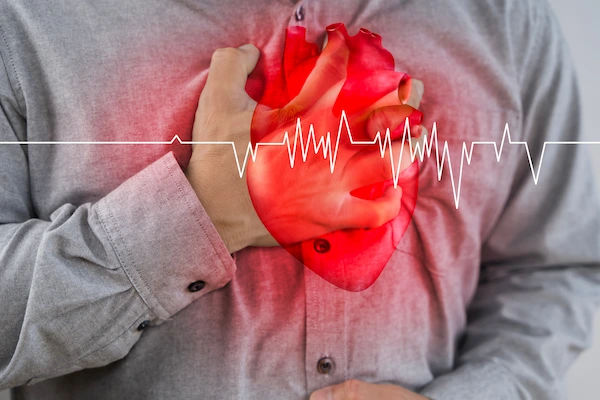


Disclaimer: Answers on Apollo 247 are not intended to replace your doctor advice. Always seek help of a professional doctor in case of an medical emergency or ailment.