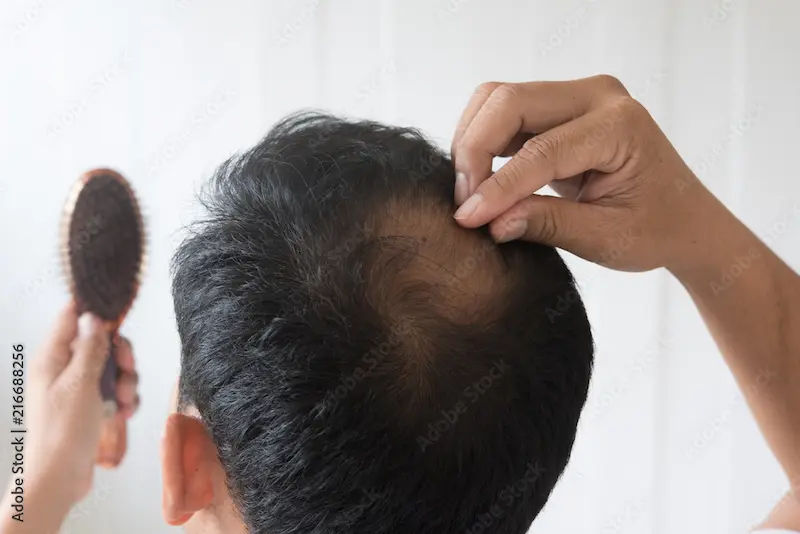
Alopecia Areata Overview Causes, Symptoms, Treatment
Learn about Alopecia Areata, an autoimmune hair loss condition. Understand its causes, common symptoms, and the range of effective treatment options available.
Written by Dr. Shaik Abdul Kalam
Reviewed by Dr. Rohinipriyanka Pondugula MBBS
Last updated on 13th Jan, 2026

Hair loss can be a distressing experience, especially when it happens unexpectedly. If you’ve noticed small, round bald patches on your scalp or other parts of your body, you might be dealing with alopecia areata. This condition is more common than you think and affects people of all ages. The good news is that it’s usually not harmful to your overall health, and there are ways to manage it.
In this article, we’ll explain what alopecia areata is, its causes, symptoms, and available treatments. We’ll also share some helpful tips to cope with the condition and when to seek medical advice.
What Is Alopecia Areata?
Alopecia areata is an autoimmune disorder where the body’s immune system mistakenly attacks hair follicles, leading to hair loss. It can affect the scalp, beard, eyebrows, eyelashes, or even body hair. The hair loss usually occurs in small, round patches but can sometimes progress to complete scalp hair loss (alopecia totalis) or total body hair loss (alopecia universalis).
The condition is unpredictable—hair may grow back on its own, fall out again, or remain permanently lost. While it doesn’t cause physical pain, it can significantly impact selfesteem and emotional wellbeing.
What Causes Alopecia Areata?
The exact cause of alopecia areata is still unknown, but researchers believe it’s linked to a combination of genetic and environmental factors. Here are some possible triggers:
• Autoimmune Response: The immune system mistakenly targets hair follicles as foreign invaders, causing them to shrink and slow down hair production.
• Genetics: If someone in your family has alopecia areata, you may have a higher risk of developing it.
• Stress: Emotional or physical stress can sometimes trigger or worsen hair loss.
• Other Autoimmune Conditions: People with conditions like thyroid disease, vitiligo, or type 1 diabetes may be more prone to alopecia areata.
Symptoms of Alopecia Areata
The most common sign is sudden, patchy hair loss in round or oval shapes. Other symptoms include:
• Smooth, bald patches on the scalp, beard, or other hairy areas.
• Exclamation mark hairs (short, broken hairs that taper at the base).
• Nail changes (pitting, ridges, or white spots) in some cases.
• Itching or mild discomfort in the affected area (rare).
In severe cases, hair loss can progress to alopecia totalis (complete scalp hair loss) or alopecia universalis (total body hair loss).
Consult a Dermatologist for the best advice
How Is Alopecia Areata Diagnosed?
A dermatologist can usually diagnose alopecia areata by examining the affected areas. Sometimes, they may perform:
• A scalp biopsy (taking a small skin sample for testing).
• Blood tests to check for autoimmune conditions like thyroid disease.
• A pull test to see if hair comes out easily.
If you’re experiencing sudden hair loss, it’s best to consult a doctor to rule out other conditions like fungal infections or hormonal imbalances.
Treatment Options for Alopecia Areata
While there’s no cure for alopecia areata, several treatments can help stimulate hair regrowth. The choice of treatment depends on the severity of hair loss and age. Common options include:
1. Topical Treatments
• Corticosteroid creams or ointments – Reduce inflammation and encourage hair growth.
• Minoxidil (Rogaine®) – A topical solution that may help regrow hair over time.
2. Injections
• Corticosteroid injections – Given directly into bald patches to stimulate regrowth (effective for small patches).
3. Oral Medications
• Oral corticosteroids – Used for severe cases but may have side effects with longterm use.
• Immunosuppressants – Drugs like methotrexate or JAK inhibitors (tofacitinib, ruxolitinib) may help in extensive hair loss.
4. Light Therapy (Phototherapy)
• UV light treatment – May help stimulate hair follicles in some cases.
5. Natural Remedies & Lifestyle Changes
• Reducing stress through yoga, meditation, or therapy.
• Eating a balanced diet rich in vitamins (especially biotin, zinc, and iron).
• Avoiding harsh hair treatments like tight hairstyles or chemical dyes.
Coping with Alopecia Areata
Hair loss can be emotionally challenging, but you’re not alone. Here are some ways to manage:
• Wear wigs, scarves, or hats if hair loss affects your confidence.
• Join support groups to connect with others facing similar challenges.
• Talk to a counselor if you’re feeling anxious or depressed.
When to See a Doctor?
If you notice sudden hair loss, consult a dermatologist to confirm the diagnosis and explore treatment options. Early intervention can improve regrowth chances.
Need Help? Book a Consultation Today!
If you or a loved one is experiencing hair loss, don’t hesitate to seek professional advice. You can schedule a consultation with a dermatologist through Apollo 24|7 for expert guidance and personalized treatment plans.
Final Thoughts
Alopecia areata is a manageable condition, and many people see regrowth with the right treatment. While it can be emotionally tough, remember that hair doesn’t define your worth. Stay positive, seek support, and explore treatment options that work for you.
If you have concerns about hair loss, reach out to a healthcare provider today—help is just a consultation away!
Consult a Dermatologist for the best advice
Consult a Dermatologist for the best advice

Dr. Soumini S
Dermatologist
9 Years • MBBS, MD DERMATOLOGY,VENEREOLOGY, LEPROLOGY
Bengaluru
Apollo Medical Center, Marathahalli, Bengaluru

Dr. Sonal Jain
Dermatologist
9 Years • MBBS, MD Dermatology, Venerology & Leprosy
Kolkata
MCR SUPER SPECIALITY POLY CLINIC & PATHOLOGY, Kolkata

(25+ Patients)
Dr Monisha B
Dermatologist
10 Years • MBBS,MD DERMATOLOGY:VENEREOLOGY&LEPROSY
Bengaluru
Apollo Clinic, Sarjapur Road, Bengaluru

Dr. Kaushiki Hajra
Dermatologist
5 Years • MBBS,MD(D V & L)
Kolkata
VDC Clinic, Kolkata
(100+ Patients)

Dr. Madhab Datta
Dermatologist
7 Years • MBBS, MD (DVL)
Kolkata
Dr. Madhab Datta's Clinic, Kolkata
Consult a Dermatologist for the best advice
Dr. Soumini S
Dermatologist
9 Years • MBBS, MD DERMATOLOGY,VENEREOLOGY, LEPROLOGY
Bengaluru
Apollo Medical Center, Marathahalli, Bengaluru
Dr. Sonal Jain
Dermatologist
9 Years • MBBS, MD Dermatology, Venerology & Leprosy
Kolkata
MCR SUPER SPECIALITY POLY CLINIC & PATHOLOGY, Kolkata
(25+ Patients)
Dr Monisha B
Dermatologist
10 Years • MBBS,MD DERMATOLOGY:VENEREOLOGY&LEPROSY
Bengaluru
Apollo Clinic, Sarjapur Road, Bengaluru
Dr. Kaushiki Hajra
Dermatologist
5 Years • MBBS,MD(D V & L)
Kolkata
VDC Clinic, Kolkata
(100+ Patients)
Dr. Madhab Datta
Dermatologist
7 Years • MBBS, MD (DVL)
Kolkata
Dr. Madhab Datta's Clinic, Kolkata