


Top Anti-Ageing Foods That Help You Look and Feel Younger
Explore anti-aging foods and a youthful skin diet to protect skin, boost energy, and age well with science-backed tips and simple meal ideas.

Written by Dr. J T Hema Pratima
Reviewed by Dr. Dhankecha Mayank Dineshbhai MBBS
Last updated on 13th Jan, 2026
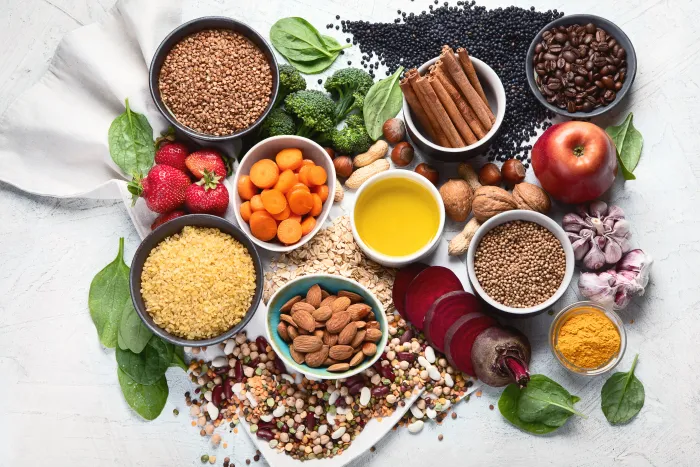
Introduction
What you eat shows up on your skin, your energy levels, and how you feel as you age. While no single food can stop the clock, a smart, balanced “youthful skin diet” can help protect your skin from everyday stressors, support collagen, and keep you feeling vibrant.
In this guide, you’ll learn which anti-ageing foods are worth adding to your plate, how to build meals that nourish your skin, and practical tips to make it all easy.
How Diet Influences Skin and Healthy Ageing?
Your skin is your largest organ, and it needs steady support from nutrients to stay resilient. A few key ideas explain why food matters:
- Oxidative stress and inflammation: Everyday exposure to UV light, pollution, and normal metabolism creates free radicals. Antioxidants from plant foods help neutralise them. Lower chronic inflammation is linked with healthier ageing overall.
- Collagen and elastin support: Collagen gives skin its firmness. Your body makes collagen from amino acids (from protein), and vitamin C is needed for that process. While collagen naturally declines with age, diet can support what your body produces.
- Blood sugar and glycation: Frequently spiking blood sugar (from excess sugary and ultra-processed foods) can contribute to the formation of AGEs (advanced glycation end products), which can stiffen collagen. Steady-blood-sugar eating patterns may help.
- It’s the pattern, not just a superfood: A Mediterranean-style diet—rich in vegetables, fruits, whole grains, legumes, nuts, fish, and olive oil—is linked to healthier ageing, heart health, and lower inflammation. Think overall balance, not quick fixes.
The Best Anti-Ageing Foods to Add to Your Plate
These nutrient-rich choices deliver antioxidants, healthy fats, protein, and fibre that support your skin and overall health. Here are some anti-ageing foods to include into your diet:
Colourful Fruits and Vegetables (Vitamin C, Carotenoids, Polyphenols)
Why they help: Bright produce provides vitamin C for collagen formation, carotenoids (like beta-carotene, lycopene, lutein) that act as antioxidants, and polyphenols that fight oxidative stress.
Great picks:
Citrus, berries, kiwi, pineapple: Vitamin C for collagen support
Tomatoes, watermelon: Lycopene, a potent antioxidant
Leafy greens (spinach, kale), broccoli: Vitamin C, lutein, and fibre
Carrots, sweet potatoes, winter squash: Beta-carotene, which the body can convert to vitamin A
Red, yellow, and orange bell peppers: Vitamin C and carotenoids
Quick tip: Aim for at least half your plate in vegetables and fruits at most meals. Mix raw and cooked options to maximise variety.
Healthy Fats from the Sea and the Grove (Omega-3s and Olive Oil)
Why they help: Omega-3 fats support cell membranes and help regulate inflammation. Extra-virgin olive oil provides heart-healthy monounsaturated fats and polyphenols.
Great picks:
Fatty fish: Salmon, sardines, mackerel, trout (eat 2 servings/week)
Plant omega-3s: Walnuts, chia seeds, ground flaxseed
Extra-virgin olive oil: Use for dressings and low-to-medium heat cooking
Quick tip: Swap butter with olive oil, add ground flax to yoghurt, and choose fish instead of red meat a few nights per week.
Protein for Structure and Repair
Why they help: Protein provides amino acids that your body uses to build and repair tissues, including collagen and elastin in skin.
Great picks:
- Fish, skinless poultry, eggs
- Beans, lentils, edamame, tofu, tempeh
- Greek yoghurt and kefir
- Nuts and seeds
Quick tip: Build meals around a palm-sized portion of protein, plus plenty of vegetables, whole grains, and a drizzle of healthy fat.Consult Top Specialists
Nuts, Seeds, and Legumes (Vitamin E, Selenium, Zinc, Fibre)
Why they help: Vitamin E protects cell membranes. Minerals like zinc and selenium support skin healing and antioxidant defences. Fibre feeds a healthy gut.
Great picks:
Almonds, hazelnuts, sunflower seeds: Vitamin E
Pumpkin seeds: Zinc
Brazil nuts: Selenium (1–2 nuts meet daily needs; don’t overdo it)
Chickpeas, lentils, black beans: Fibre and plant protein
Quick tip: Snack on a small handful of mixed nuts (about 1 ounce) or sprinkle seeds over salads and oatmeal.
Whole Grains and High-Fibre Foods
Why they help: Fibre supports a healthy gut and steadier blood sugar, reducing glycation-related stress on skin proteins.
Great picks:
- Oats, quinoa, brown rice, barley
- 100% whole-wheat bread or pasta
- Beans and lentils (great fibre sources too)
Quick tip: Make at least half your grains whole. Start by swapping white rice for brown rice or quinoa a few nights a week.
Fermented Foods for the Gut–Skin Connection
Why they help: A healthy gut microbiome is linked to lower inflammation. Fermented foods can support gut diversity.
Great picks:
Yoghurt with live cultures and kefir
Sauerkraut, kimchi, miso, tempeh
Quick tip: Add one serving of fermented food daily. Choose plain yoghurt and sweeten naturally with fruit.
Hydration Heroes and Polyphenol-Rich Drinks
Why they help: Adequate hydration supports skin elasticity and barrier function. Tea and cocoa offer antioxidant polyphenols.
Great picks:
Water, sparkling water, and water-rich produce (cucumber, berries, melon)
Green or black tea (unsweetened)
Cocoa powder in milk or plant milk (limit sugar)
Quick tip: Keep a reusable bottle handy and flavour water with citrus or mint.
Herbs and Spices That Do More
Why they help: Culinary herbs and spices contain antioxidants and anti-inflammatory compounds.
Great picks:
Turmeric (pair with black pepper to boost absorption)
Ginger, cinnamon, rosemary, oregano
Quick tip: Season generously with herbs and spices for flavour without extra salt or sugar.
Build a Youthful Skin Diet You Can Stick To
A sustainable “youthful skin” diet is colourful, balanced, and flexible. Focus on habits you enjoy long-term.
Use the skin-friendly plate method:
- Half the plate: Vegetables and some fruit
- One quarter: Lean protein (fish, beans, eggs, tofu, yoghurt)
- One quarter: Whole grains or starchy vegetables (quinoa, brown rice, oats, sweet potatoes)
- Add: A small portion of healthy fat (olive oil, nuts, seeds, avocado)
Simple swaps:
- Replace sugary cereals with oatmeal topped with berries and nuts.
- Swap processed snacks for fruit and yoghurt or nuts.
- Trade soda for sparkling water or iced tea.
- Choose whole-grain bread instead of white.
A sample day:
- Breakfast: Greek yoghurt with berries, ground flaxseed, and cinnamon; green tea.
- Lunch: Mixed salad with greens, carrots, chickpeas, olive oil–lemon dressing; whole-grain roll.
- Snack: Apple slices with almond butter.
- Dinner: Baked salmon (or beans and quinoa), roasted broccoli and carrots, brown rice; water or herbal tea.
- Dessert: A few squares of dark chocolate (70%+) or orange slices.
Habits That Age Skin (and What to Do Instead)
Daily choices can either protect or stress your skin.
- Excess added sugar and processed foods: Choose whole foods most of the time.
- Smoking and secondhand smoke: If you smoke, seek support to quit and avoid exposure.
- Too much alcohol: Drink moderately and hydrate between drinks.
- Dehydration: Keep fluids handy; aim for pale-yellow urine.
- Unprotected sun exposure: Use sunscreen, shade, and clothing protection daily.
- Poor sleep and chronic stress: Get 7–9 hours of sleep; try breathing or walking for stress relief.
What About Supplements?
Food first is best. Most nutrients can come from a balanced diet rich in plants, proteins, and healthy fats.
If considering supplements:
Collagen peptides: May improve skin elasticity and hydration for some people. Choose reputable brands and allow 2–3 months.
Omega-3s: For non-fish eaters, consider a fish oil or algae-based supplement (with clinician guidance).
Vitamin D and others: Supplement based on your doctor’s advice and lab results.
Always check with a healthcare professional before starting supplements, especially if pregnant, breastfeeding, or taking medications.
Conclusion
Anti-ageing foods work best as part of a balanced, enjoyable lifestyle. Focus on colourful fruits and vegetables, omega-3s, olive oil, lean proteins, whole grains, and plenty of water. Combine smart eating with sun protection, good sleep, regular movement, and stress control.
These everyday choices nourish your skin from the inside out—helping you look and feel your best at every age.Consult Top Specialists
Consult Top Specialists

Ms. Malabika Datta
Dietician
17 Years • Msc. in Dietetics & Food Service Management
Kolkata
Dr Utsa Basu Clinic, Kolkata

(25+ Patients)

Ms. Samapti Maity
Dietician
16 Years • MSc. (Clinical Nutrition & Dietitics), NDEP, Course in Maternal Infant Young Child Nutrition.Diploma in Sports Nutrition, Diploma in Diabetic educator, FODMAP Specialist
Kolkata
BIENETRE CLINIC, Kolkata

Dr Venkata Naga Sai Tribhushan Rambhatla
General Physician
3 Years • MBBS
Bengaluru
PRESTIGE SHANTHINIKETAN - SOCIETY CLINIC, Bengaluru

Ms. Soma Saha
clinical nutrition
17 Years • B.Sc. - Home Science (Food & Nutrition), M.Sc. - Home Science (Food & Nutrition)
Kolkata
Dr Utsa Basu Clinic, Kolkata
(50+ Patients)

Ms Suchanda Guha
Dietician
10 Years • M.Sc (Applied Nutrition), B.Sc (Food & Nutrition), Diploma (Yogic Nutrition)
Kolkata
NutriKutir, Kolkata
Consult Top Specialists
Ms. Malabika Datta
Dietician
17 Years • Msc. in Dietetics & Food Service Management
Kolkata
Dr Utsa Basu Clinic, Kolkata
(25+ Patients)
Ms. Samapti Maity
Dietician
16 Years • MSc. (Clinical Nutrition & Dietitics), NDEP, Course in Maternal Infant Young Child Nutrition.Diploma in Sports Nutrition, Diploma in Diabetic educator, FODMAP Specialist
Kolkata
BIENETRE CLINIC, Kolkata
Dr Venkata Naga Sai Tribhushan Rambhatla
General Physician
3 Years • MBBS
Bengaluru
PRESTIGE SHANTHINIKETAN - SOCIETY CLINIC, Bengaluru
Ms. Soma Saha
clinical nutrition
17 Years • B.Sc. - Home Science (Food & Nutrition), M.Sc. - Home Science (Food & Nutrition)
Kolkata
Dr Utsa Basu Clinic, Kolkata
(50+ Patients)
Ms Suchanda Guha
Dietician
10 Years • M.Sc (Applied Nutrition), B.Sc (Food & Nutrition), Diploma (Yogic Nutrition)
Kolkata
NutriKutir, Kolkata
Frequently Asked Questions
Q1: Can food really reduce wrinkles?
Food can’t erase deep wrinkles, but nutrient-dense eating patterns support collagen formation, fight oxidative stress, and reduce inflammation—all of which help protect skin and promote a healthier, more vibrant appearance over time. Sunscreen and sun-safe habits are still essential.
Q2: What vitamins and nutrients are most important for youthful-looking skin?
Vitamin C (collagen support), vitamin E (antioxidant), vitamin A/beta-carotene (skin cell growth), omega-3 fats (cell membranes, inflammation), zinc (wound healing), selenium (antioxidant), and protein (structure and repair). Aim to get these from whole foods first.
Q3: How much water should I drink for healthy skin?
Needs vary by person, activity, and climate. A simple guide is to drink to thirst and aim for pale-yellow urine. Fluids come from beverages and foods like fruits and vegetables. Keep water accessible and sip throughout the day.
Q4: Are collagen supplements worth it?
Some studies show modest improvements in skin hydration and elasticity for certain people, but results differ and quality varies. A protein-rich diet with vitamin C–rich produce supports your body’s own collagen production. If you try a supplement, choose a reputable brand and check with your clinician.
Q5: Do I need to avoid dairy or certain foods to have clear, healthy skin?
There’s no single food that all people must avoid for healthy skin. Some individuals notice that certain foods (like very sugary foods) worsen their skin, and a few find that skim milk affects acne. Track your own patterns, focus on overall diet quality, and discuss concerns with a healthcare professional.