


Essential Oils For Anxiety: Research Based Natural Relief
Can aromatherapy help calm anxiety? Learn what research says about essential oils anxiety, safe use, and simple routines to feel more at ease.

Written by Dr. Siri Nallapu
Reviewed by Dr. Dhankecha Mayank Dineshbhai MBBS
Last updated on 13th Jan, 2026
Introduction
Anxiety touches many lives, and it is understandable to look for gentle, natural ways to feel calmer. A large number of people search for essential oils anxiety and wonder whether aromatherapy can truly help. The short answer is that aromatherapy may offer short term relaxation benefits for some people, especially when used alongside proven treatments such as therapy and healthy lifestyle habits. This guide explains what research says, how to use essential oils safely, and practical routines you can try at home.
What are Essential Oils and How Aromatherapy may Support Anxiety?
Essential oils are concentrated plant extracts. Aromatherapy uses these oils, typically by inhalation or diluted on the skin, to support well-being. Scents travel through the nose to the brain’s limbic system, which influences emotions, stress, and memory. For some people, pleasant aromas paired with slow breathing and a calming setting can offer short term relief from tension.
Consult Top Specialists
Do Essential Oils Anxiety Claims Match the Research
Research on essential oils for anxiety is promising in some areas but not definitive. Here is what the evidence shows in simple language:
- Small studies and reviews suggest aromatherapy can reduce state anxiety, meaning how anxious you feel in the moment, particularly in settings such as pre-surgery waiting areas, dental offices, or labour and delivery.
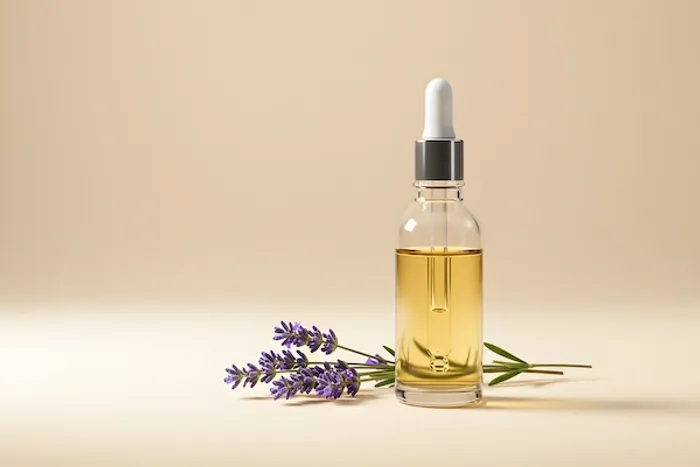
- Lavender is the most studied oil for anxiety. Inhalation and massage with diluted lavender have shown modest, short term benefits in some trials.
- Citrus oils like bergamot and sweet orange, as well as rose and chamomile, also have small studies showing calming effects.
- Results vary across studies because methods differ. Aromatherapy should be considered a helpful complement, not a stand-alone treatment for anxiety.
Essential Oils Commonly Studied for Anxiety
This section highlights the most researched oils so you can choose wisely:
Lavender (Lavandula angustifolia): What We Know
Here is what the research and experience suggest:
- Evidence: Inhaled lavender has been linked with short term decreases in anxiety in certain clinical settings. A standardised oral lavender oil preparation used in some countries has shown benefits for generalised anxiety, but this product is not the same as store-bought essential oils. Do not ingest essential oils unless a qualified clinician prescribes a specific, standardised formulation.
- Aroma profile: Floral and soothing.
- How people use it: Diffused or diluted for massage or a pre-sleep ritual.
Citrus Oils (Bergamot, Sweet Orange)
Here is what to keep in mind when choosing citrus oils:
- Evidence: Small studies suggest inhaled bergamot or sweet orange may ease situational anxiety and promote a brighter mood.
- Aroma profile: Bright and uplifting.
- Safety note: Some citrus oils, especially cold-pressed bergamot and lemon, can increase sun sensitivity on skin. If applied topically, use low dilutions and avoid direct sunlight for at least 12 hours.
Chamomile (Roman or German)
Chamomile is a gentle and popular choice:
- Evidence: Chamomile extracts have a stronger evidence base for anxiety compared with essential oil studies, which are smaller but still suggest calming potential.
- Aroma profile: Soft, apple-like for Roman chamomile and herbaceous for German chamomile.
- Tip: Often used in evening routines to support relaxation.
Rose and Ylang-Ylang
These floral oils can be powerful mood shifters:
- Evidence: Early studies show inhalation may reduce tension and anxiety in the short term.
- Aroma profile: Rose is rich and comforting while ylang-ylang is sweet and exotic.
- Tip: Use sparingly as these oils have strong scents.
How to Use Aromatherapy Safely for Anxiety?
Let us focus on safety to ensure your experience is gentle and effective:
Inhalation
Here are the safest ways to inhale essential oils:
- Diffuser: Begin with 3 to 5 drops in a water-based diffuser. Ventilate the room and try 15 to 30 minute sessions.
- Direct inhalation: Place 1 drop on a tissue or cotton ball. Inhale gently for a few breaths.
- Avoid steam inhalation if you have sensitive airways.
Topical Use
Topical application can be effective when used correctly:
- Always dilute: Essential oils are concentrated. For adults, a 1 to 2 percent dilution is common.
- Patch test: Test on the inner forearm and wait 24 hours.
- Carrier oils: Jojoba, sweet almond, grapeseed, or unscented lotion work well.
- Sun safety: Avoid sun exposure after using phototoxic oils like bergamot or cold-pressed lemon.
Important Precautions
Here are the key safety rules you should not skip:
- Do not swallow essential oils unless specifically prescribed.
- Keep out of reach of children and pets.
- If pregnant, breastfeeding, or managing asthma, epilepsy, or skin sensitivities, consult your clinician.
- Stop use immediately if you experience headache, nausea, coughing, or irritation.
Practical, Calming Aromatherapy Routines You Can Try
Here are simple routines to help integrate aromatherapy into your day:
- Five-minute reset breath: Put 1 drop of lavender on a tissue. Inhale for four counts and exhale for six counts.
- Pre-sleep wind-down: Diffuse lavender or chamomile for 15 to 20 minutes while dimming lights or stretching.
- Midday mood lift: Inhale sweet orange or bergamot during a quick walk or journalling session.
- Tension release massage: Create a 1 percent blend using lavender and a touch of rose. Massage the shoulders and neck.
- Scent pairing for calm: Use the same calming scent before meditation to train your body to relax more easily.
How Aromatherapy Fits With a Broader Anxiety Plan?
Aromatherapy can support momentary calm, but it should not replace evidence based treatments. Let’s see how:
- Evidence based therapies: Cognitive behavioural therapy and related approaches.
- Medication when appropriate: Discuss options like SSRIs or SNRIs with your clinician.
- Lifestyle foundations: Exercise, sleep, balanced meals, time outdoors, and social connection.
- Mind body practices: Mindfulness, guided breathing, or yoga.
- Seek immediate help if you experience severe anxiety, panic attacks, or thoughts of harming yourself.
Quick Guide: Choosing And Storing Essential Oils
A simple checklist makes selection and storing easier:
- Look for Latin botanical names, country of origin, and testing details when available.
- Choose dark glass bottles and store them in a cool, dry place.
- Remember that citrus oils have a shorter shelf life. If an oil smells off, discard it.
Consult Top Specialists
Conclusion
Aromatherapy can be a gentle, enjoyable way to support emotional balance, especially when you choose scents that resonate with you. Research shows small but meaningful short term benefits for some people, particularly when combined with slow breathing and a calming environment. While essential oils cannot replace evidence based anxiety treatments, they can be a useful complement to your overall wellbeing plan. By choosing high quality oils, using safe methods, and listening to your body’s responses, you can build a soothing routine that offers moments of calm throughout your day.
Consult Top Specialists

Dr. Vidisha Roy
Psychologist
10 Years • MA Psychology, PhD. in Psychology
Kolkata
MCR SUPER SPECIALITY POLY CLINIC & PATHOLOGY, Kolkata

Dr Rajan Kharb
Psychiatrist
9 Years • MBBS, MD psychiatry
Delhi
KPC Mind clinic, Delhi

(75+ Patients)

Mr. Asish Kumar Das
Counselling Psychologist
35 Years • MA Psychology, PGDWM ( Apollo Hospitals Educational Research Foundation, Hyderabad ),Diploma in Applied Psychology, Certified Educational and Career Counsellor ( MEPSC, Govt of India),Certified Psychometrician, Life Coach Practitioner (Certification), Parenting Coach Practitioner (Certification), certified in CBT
Ichhapur Defence Estate
ARPANAM, MIND MENTOR INSTITUTE, Ichhapur Defence Estate
(75+ Patients)

Ms. Sridevi
Counselling Psychologist
5 Years • BSC,MSC Clinical Psychology
Bengaluru
Apollo Medical Center, Marathahalli, Bengaluru

Ms. Moumita Ganguly
Psychologist
13 Years • B.ED(Special) Visual Impairment , PG.Diploma in Rehabilitation psychology
Kolkata
M’s Clinic, Kolkata
(150+ Patients)
Consult Top Specialists
Dr. Vidisha Roy
Psychologist
10 Years • MA Psychology, PhD. in Psychology
Kolkata
MCR SUPER SPECIALITY POLY CLINIC & PATHOLOGY, Kolkata
Dr Rajan Kharb
Psychiatrist
9 Years • MBBS, MD psychiatry
Delhi
KPC Mind clinic, Delhi
(75+ Patients)
Mr. Asish Kumar Das
Counselling Psychologist
35 Years • MA Psychology, PGDWM ( Apollo Hospitals Educational Research Foundation, Hyderabad ),Diploma in Applied Psychology, Certified Educational and Career Counsellor ( MEPSC, Govt of India),Certified Psychometrician, Life Coach Practitioner (Certification), Parenting Coach Practitioner (Certification), certified in CBT
Ichhapur Defence Estate
ARPANAM, MIND MENTOR INSTITUTE, Ichhapur Defence Estate
(75+ Patients)
Ms. Sridevi
Counselling Psychologist
5 Years • BSC,MSC Clinical Psychology
Bengaluru
Apollo Medical Center, Marathahalli, Bengaluru
Ms. Moumita Ganguly
Psychologist
13 Years • B.ED(Special) Visual Impairment , PG.Diploma in Rehabilitation psychology
Kolkata
M’s Clinic, Kolkata
(150+ Patients)
Frequently Asked Questions
Do essential oils really help anxiety?
Some people feel noticeably calmer in the short term, especially with inhaled lavender or certain citrus oils. Research shows modest, situational benefits, but results vary. Aromatherapy is best used as a complement to proven treatments like CBT, healthy sleep, exercise, and, when needed, medication.
Which essential oil is best for anxiety?
Lavender is the most studied. Bergamot, sweet orange, chamomile, and rose appear helpful for some people too. Individual responses differ - try one oil at a time to see what feels most soothing.
Is it safe to use essential oils every day?
Short, well-ventilated inhalation sessions and properly diluted topical use are generally considered safe for most healthy adults. Rotate oils, take breaks, and stop if you experience headaches, irritation, coughing, or nausea. Talk with your clinician if you’re pregnant, breastfeeding, or have asthma, epilepsy, or fragrance sensitivity.
Can I diffuse essential oils around children or pets?
Use extra caution. Keep diffusers out of reach, ventilate rooms well, and limit duration. Some oils can be harmful to young children and animals if inhaled in concentrated amounts or ingested. When in doubt, avoid diffusing around infants and pets, and consult a pediatrician or veterinarian.
Can I use essential oils with my anxiety medication?
Generally, aromatherapy by inhalation won’t interfere with most medications, but it’s wise to discuss any complementary therapies with your healthcare provider - especially if you have chronic conditions, are pregnant, or use multiple medications.