


Ashwagandha for Anxiety: Explained
Curious about ashwagandha anxiety relief? Learn what the science says, how to use it safely, side effects, and who should avoid it.

Introduction
Anxiety affects many people, and, understandably, individuals look for natural options that might support everyday stress management. This is why searches such as “ashwagandha anxiety” have become increasingly common. Ashwagandha (Withania somnifera) is a long-used herb in Ayurvedic practice and is often described today as an “adaptogen”, meaning it may help the body respond to stress more smoothly. However, not all claims match the evidence, and not everyone can safely use it.
This guide explains what current research suggests, who might benefit, who should avoid it, how to use it alongside
proven anxiety treatments, and how to choose a supplement more safely. It is meant for educational purposes and not
as medical advice.



What Is Ashwagandha?
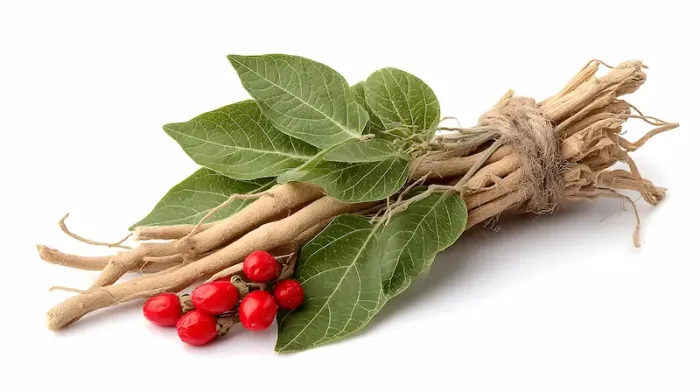
Ashwagandha comes from a shrub native to parts of Asia and Africa. The root is the most common part used in
supplements, although some products contain leaf extracts as well.
Key Points About Ashwagandha
- A plant traditionally used in Ayurveda to support stress resilience, energy, and sleep
- Modern products include capsules, powders, tinctures, teas, and standardised extracts
- Most research focuses on root extracts, not leaves
- Supplements are not approved to diagnose, treat, or cure diseases
- Product quality, strength, and purity vary widely, making careful selection important
In Ayurveda, ashwagandha is considered rejuvenating and supportive of vitality. While this traditional perspective
guides many people’s interest, it does not replace the need for safe, evidence-based use today.
Ashwagandha Connection With Anxiety
Several small clinical trials suggest that ashwagandha may modestly reduce stress and anxiety symptoms over short
periods, usually 6–12 weeks. Many studies also report reductions in cortisol, a hormone involved in the stress response.
What Does This Mean Practically?
- Some participants report lower perceived stress and mild improvements in anxiety questionnaires
- Several people also experience better sleep quality
- Evidence is encouraging but not strong enough to be considered conclusive
- Studies vary in quality, dosage, extract type, and participant characteristics
- Benefits appear most relevant for mild to moderate, stress-related anxiety
How Strong Is the Evidence?
While promising, the research base is still limited. Many trials are small, not always rigorously designed, and may use
differing formulations that complicate comparisons. This means we cannot reliably identify who will benefit, what
dosage is best, or the ideal duration of use.
Who Might Notice the Most Benefit?
People with day-to-day stress, mild anxiety, or tension-related sleep disturbances may see modest relief. It is not a
substitute for treatment of moderate to severe anxiety disorders, and individuals already using prescribed therapy should
not stop or reduce their treatment without medical guidance.
How Might Ashwagandha Work?
Researchers are still exploring its mechanisms. Several theories exist, though none have been definitively proven in
humans.
Possible Mechanisms
- Support for stress pathways such as the hypothalamic–pituitary–adrenal axis
- Potential reduction of cortisol in some individuals
- Influences on neurotransmitter signalling, which may affect mood regulation
- Possible anti-inflammatory effects
These mechanisms provide plausible explanations, yet more robust human research is needed to confirm how these
actions relate to stress and anxiety improvements.
What Do Studies Suggest About Use?
Research trials often follow similar patterns.
Typical Study Features
- Duration of 6–12 weeks
- Use of standardised root extracts
- Wide variation in dosage depending on the product and extract strength
Because supplement products differ considerably, it’s safer to follow your product’s instructions and your clinician’s
guidance rather than attempting to copy research protocols.
Who Should Avoid Ashwagandha?
Ashwagandha is not suitable for everyone. Certain groups should avoid it or seek personalised medical advice first.
Groups Who Should Avoid Use?
- Individuals who are pregnant or trying to conceive
- Those who are breastfeeding
- People with thyroid disease without medical supervision
- Individuals with autoimmune conditions
- People with current or past liver disease
- Those scheduled for surgery
- Anyone under 18 due to limited safety data
Ashwagandha may increase thyroid hormone levels, stimulate immune activity, and, in rare cases, has been linked with
liver injury. For these reasons, caution is essential.
Possible Side Effects and Interactions
Most adults tolerate ashwagandha reasonably well for short periods, but side effects and interactions can occur,
especially the side effects at higher doses or with long-term use.
Possible Side Effects
- Stomach upset, nausea, or diarrhoea
- Drowsiness or sedation
- Headache
- Skin rash
- Increased thyroid hormone levels in some people
Potential Medication and Supplement Interactions
- Sedatives or medicines causing drowsiness
- Thyroid medications
- Diabetes medications due to possible reductions in blood sugar
- Blood pressure medications as ashwagandha, may lower blood pressure
- Immunosuppressive medications
- Alcohol or other sedative herbs
Signs of Liver-Related Problems
Signs of liver-related problems include:
- Yellowing of the skin or eyes
- Dark urine
- Severe fatigue
- Itching
- Right-sided abdominal pain
If any of these symptoms occur, discontinue the supplement and seek medical care promptly.
How to Choose a Quality Ashwagandha Supplement?
Given inconsistent supplement quality, careful product selection helps reduce risks.
Tips for Choosing
- Look for third-party testing or certification, such as USP, NSF, or UL
- Choose products that specify root extract rather than leaf extract
- Avoid blends containing multiple sedative or stimulant herbs
- Follow the dosing instructions on your specific product
- Start with the lowest dose to judge tolerance
- Reassess after 6–8 weeks if no clear benefit is noticed
A high-quality supplement does not guarantee safety for everyone, so consider professional guidance before beginning.
Use of Ashwagandha Alongside Anxiety Care
Ashwagandha can complement, but not replace, evidence-based anxiety treatment. Combining lifestyle strategies,
psychological therapies, and medical guidance often produces greater and more predictable improvements.
Evidence-Based Approaches for Anxiety
- Cognitive behavioural therapy (CBT)
- Medications such as SSRIs or SNRIs, where appropriate
- Regular follow-up with a mental health professional
Everyday Habits That May Support Anxiety Management
- Aim for 7–9 hours of sleep with a consistent routine
- Engage in regular physical activity such as brisk walking
- Reduce caffeine intake if sensitive to stimulants
- Practise slow breathing, mindfulness, or progressive muscle relaxation
- Maintain social support through friends, family, or support groups
Ashwagandha can be one part of a broader strategy that emphasises stability, routine, and healthy coping practices.
When to Seek Professional Help?
It’s important to reach out for professional support if anxiety becomes overwhelming or interferes with daily life.
Seek Help If You Experience
- Anxiety affecting work, school, or relationships
- Panic attacks or thoughts of self-harm
- Worsening symptoms after starting any supplement
- Multiple medical conditions or ongoing medications requiring coordination of care
Professional input ensures that anxiety is managed safely and effectively.
Takeaways
- Evidence suggests ashwagandha may offer modest reductions in stress and mild anxiety in the short term
- It is not suitable for pregnancy, breastfeeding, thyroid disorders without supervision, autoimmune conditions, liver
disease, or children - Supplement interactions and side effects occur, especially with sedatives or thyroid medicines
- It works best when used alongside proven anxiety treatments and healthy lifestyle habits
- Always discuss its use with your clinician before starting
Conclusion
Ashwagandha is a traditional herb with growing scientific interest, particularly for stress and mild anxiety. While early
research is promising, it remains limited, and the herb is not risk-free. Used thoughtfully and with professional guidance,
it may complement broader anxiety management strategies, but it should never replace evidence-based care. Paying
attention to dosage, quality, interactions, and personal medical history is essential. Ultimately, the safest and most effective approach integrates herbal options with established treatments, healthy routines, and open communication with your healthcare professional.
More articles from Anxiety disorders





Frequently Asked Questions
1) Does ashwagandha really help with anxiety?
Some clinical trials suggest modest improvements in anxiety and stress compared with placebo over 6–12 weeks, but studies are small and vary in quality. It may help some people with mild to moderate stress-related symptoms. It’s not a cure and doesn’t replace therapy or prescribed medications when needed.
2) How long does it take to feel the effects?
If benefits occur, people often notice them within several weeks. Most studies ran for 6–12 weeks. If you don’t see improvement after about 6–8 weeks, check in with your clinician.
3) Is ashwagandha safe to take with antidepressants or anti-anxiety medications?
It can interact with medicines that cause drowsiness and may affect thyroid, blood sugar, or blood pressure. Always ask your prescriber before combining ashwagandha with any medication. Do not stop or change prescribed treatments without medical guidance.
4) Who should not take ashwagandha?
Avoid it if you are pregnant, breastfeeding, have certain thyroid or autoimmune conditions, have liver disease, or are on immunosuppressive therapy. Use caution and get medical advice if you take medications for sleep, mood, blood sugar, or blood pressure.
5) What’s the best way to choose an ashwagandha supplement?
Pick a product that is third-party tested (USP, NSF, or UL), uses standardised root extract, and has clear labelling. Start low, follow the label, and talk with your clinician to ensure it’s appropriate for you.