


Best Foods for Anxiety: Research-Backed Diet for Mental Health
Best foods for anxiety: build an anxiety diet with brain health foods like fatty fish, whole grains, and fermented foods. Evidence-based, practical tips.

Written by Dr. Mohammed Kamran
Reviewed by Dr. Dhankecha Mayank Dineshbhai MBBS
Last updated on 13th Jan, 2026
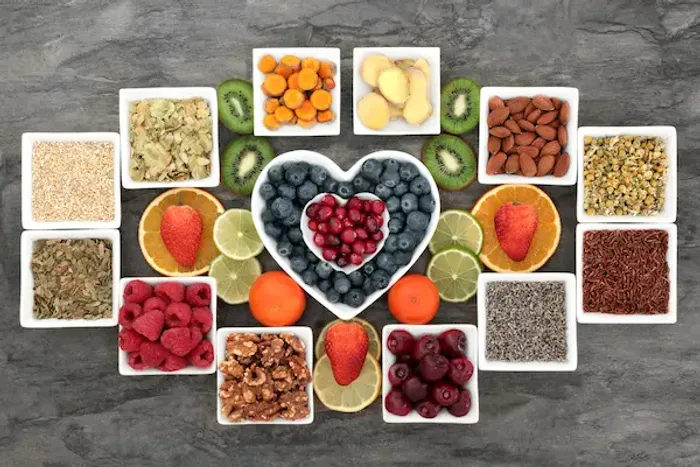
Introduction: How and why you Eat Matters for Your Mood
Anxiety is common and can affect sleep, concentration, energy levels, relationships and overall quality of life. While food is not a cure for anxiety, research consistently shows that what we eat influences how our brain and body respond to stress. The right dietary choices can support steadier blood sugar, healthier neurotransmitter balance, improved gut health and a more resilient nervous system. Together, these factors play a meaningful role in how well you cope with daily pressures and emotional challenges.
Building an anxiety diet around nutrient-dense, brain health foods can help stabilise mood, reduce physical symptoms such as shakiness and tension, and support mental clarity. This approach works best as part of a wider care plan that may include therapy, lifestyle adjustments, medication or stress management techniques recommended by your clinician. The aim is not perfection, but a consistent pattern of nourishing choices that gently support your mental wellbeing over time.
Below, you will find a clear, evidence-informed guide to the best foods for anxiety, how they support brain function, and practical ways to include them in your everyday routine without feeling overwhelmed or restricted.
Consult a Top General Practitioner for Personalised Advice
How Does Food Affect Anxiety and the Brain?
Food influences anxiety through several interconnected pathways that shape how the body and brain manage stress signals.
- Blood sugar balance: Highly refined carbohydrates and sugary drinks can trigger rapid spikes followed by crashes in blood glucose. These sharp changes may intensify jitteriness, irritability and difficulty concentrating. Meals that include fibre, protein and healthy fats help keep blood sugar stable and support a calmer, more even mood throughout the day.
- Inflammation and oxidative stress: Diets rich in colourful vegetables, fruits, whole grains, nuts and fish provide antioxidants and healthy fats that protect brain cells. Reducing low-grade inflammation may support better emotional regulation and cognitive function.
- Gut–brain connection: The gut and brain communicate through nerves, hormones and immune pathways. A healthy gut microbiome, supported by fibre and fermented foods, is linked to improved mood, reduced stress reactivity and better overall mental resilience.
- Nutrient building blocks: The brain relies on omega-3 fats, B vitamins, magnesium, zinc, iron and amino acids such as tryptophan to produce neurotransmitters like serotonin and dopamine.
- These chemicals influence how you feel, think and respond to stress.
- Lifestyle links: Eating habits affect sleep quality, energy levels and sensitivity to caffeine or alcohol. These lifestyle factors strongly influence anxiety symptoms and day-to-day emotional stability.
The Core Of An Anxiety Diet: Patterns To Calm
Rather than focusing on individual superfoods, it is more effective to follow an overall eating pattern that consistently supports brain health and emotional balance. Dietary styles similar to Mediterranean or MIND-based approaches are associated with improved mental well-being and steadier mood.
- Most of your plate with vegetables, fruits, whole grains, legumes, nuts and seeds
- Choose fish and seafood regularly, with moderate amounts of poultry, eggs and dairy or fortified alternatives
- Prefer olive oil and other unsaturated fats while limiting processed meats and refined snack foods
- Keep added sugars and excessive sodium low and prioritise water as your main drink
This balanced approach provides the nutrients your brain needs while helping to prevent the energy swings that can worsen feelings of anxiety.
Best Brain Health Foods to Put on Your Plate
Brain health foods include:
Fatty Fish Rich in Omega-3s
- Why they help: Salmon, sardines, mackerel, trout, anchovies and herring provide EPA and DHA, essential omega-3 fats that support brain cell structure and healthy stress responses.
- How to eat more: Aim for two servings per week. Try baked salmon with roasted vegetables, grilled mackerel with lemon, or sardines on wholegrain toast
Whole Grains and Fibre-rich Carbohydrates
- Why they help: Oats, quinoa, brown rice, barley and whole-wheat pasta digest slowly, promoting steady blood sugar and nourishing beneficial gut bacteria.
- How to eat more: Choose porridge for breakfast, build grain bowls with vegetables and beans, or replace white rice with a brown or mixed option
Fermented Foods and Live-Culture Yoghurt
- Why they help: Fermented foods contribute beneficial bacteria that support gut diversity and healthier stress responses.
- How to eat more: Add a spoon of sauerkraut to salads, use miso in soups, or enjoy plain yoghurt with seeds and berries
Magnesium-Rich Greens, Legumes and Seeds
- Why they help: Spinach, kale, Swiss chard, lentils, chickpeas, pumpkin seeds and almonds provide magnesium, which supports nerve signalling and muscle relaxation.
- How to eat more: Mix greens into omelettes, snack on nuts, or add lentils to soups and stews
Colourful Fruits and Vegetables
- Why they help: Rich in antioxidants and polyphenols, these foods protect brain cells and help regulate stress.
- How to eat more: Aim to include multiple colours daily and keep frozen options ready for quick meals
Nuts and Seeds
- Why they help: Walnuts, flaxseed, chia and pumpkin seeds offer a blend of healthy fats, fibre and minerals that support emotional stability.
- How to eat more: Sprinkle over salads or yoghurt, or keep small portions as snacks.
Protein Sources to Support Neurotransmitters
- Why they help: Eggs, poultry, tofu, fish and legumes supply amino acids and B vitamins essential for mood-regulating chemicals.
- How to eat more: Include a protein source at every meal for steady energy
Dark Chocolate and Cocoa
- Why they help: Contains polyphenols and small amounts of magnesium which may support relaxation.
- How to enjoy: Choose small portions of 70% dark chocolate to reduce sugar intake
Green tea and calming herbal teas
- Why they help: Provides L-theanine, which may promote calm focus.
- How to sip smarter: Use green tea earlier in the day and herbal teas in the evening
Hydration and water intake
- Why it matters: Even mild dehydration can increase fatigue and irritability.
- How to maintain: Sip water regularly and flavour naturally with herbs or citrus
Foods and Habits That May Worsen Anxiety
Some foods and habits that worsen anxiety are:
- Caffeine: May increase heart rate and restlessness in sensitive individuals
- Alcohol: Can disrupt sleep and worsen next-day anxiety
- Sugary foods and refined carbohydrates: Contribute to energy crashes and mood swings
- Ultra-processed snacks: Often lack nutrients and increase inflammation
- Skipping meals: Can lead to low blood sugar and increased anxiety-like sensations
A 1-day Sample Anxiety Diet Menu
Sample 1-day plan includes:
- Breakfast: Porridge with milk or soy milk, blueberries, flaxseed and walnuts with green tea
- Snack: Plain yoghurt with pumpkin seeds
- Lunch: Quinoa bowl with mixed greens, chickpeas, olive oil dressing and sauerkraut
- Snack: Apple with almond butter
- Dinner: Baked salmon with sweet potatoes and broccoli
- Dessert: Small square of dark chocolate
- Hydration: Water throughout the day and herbal tea in the evening
Smart Supplements & Caution
Smart supplements to be used with caution are:
- Omega-3 supplements: May assist some individuals
- Magnesium: Beneficial if intake is low
- Probiotics: Potential gut-brain benefits
- L-theanine: May promote relaxation
Always consult a healthcare professional before beginning supplements.
Tips for Brain Health Foods By Default
Some tips for default brain-healthy foods include:
- Build balanced meals with vegetables, grains and protein
- Keep simple staples on hand
- Cook in batches to save time
- Choose budget-friendly options
- Make gradual, sustainable changes
When to Seek Professional Help?
If anxiety becomes frequent, intense or interferes with daily functioning, professional care is essential. Seek urgent support if thoughts of self-harm arise or if emotional distress feels unmanageable.
Conclusion
Supporting your mental health through food is a gentle yet powerful way to strengthen your emotional resilience. An anxiety-friendly diet focuses on consistency, balance and nourishment rather than restriction or perfection. By choosing whole, nutrient-rich foods and listening to how your body responds, you create a stable foundation for calmer moods and better focus. These nutritional choices work best alongside healthy sleep, movement and professional care when needed. Small, mindful changes made over time can meaningfully improve your relationship with anxiety and enhance overall well-being.
Consult a Top General Practitioner for Personalised Advice
Consult a Top General Practitioner for Personalised Advice

Dr. Suvadeep Sen
Critical Care Specialist
12 Years • MBBS, MD, FNB (CRITICAL CARE MEDICINE), EDIC
Mumbai
Apollo Hospitals CBD Belapur, Mumbai

Dr. Shweta Mutha
General Practitioner
9 Years • MBBS, MD Radiotherapy, DNB Radiation Oncology, Fellowship in Image Guided Radiosurgery
Pune
Apollo Hospitals Pune, Pune

Dr Suseela
General Physician
5 Years • MBBS
Bengaluru
Apollo Medical Center, Marathahalli, Bengaluru


Dr. Siri Nallapu
General Practitioner
5 Years • MBBS
Hyderabad
Apollo 24|7 Clinic, Hyderabad

Dr. Rajib Ghose
General Physician/ Internal Medicine Specialist
25 Years • MBBS
East Midnapore
VIVEKANANDA SEBA SADAN, East Midnapore
Consult a Top General Practitioner for Personalised Advice
Dr. Suvadeep Sen
Critical Care Specialist
12 Years • MBBS, MD, FNB (CRITICAL CARE MEDICINE), EDIC
Mumbai
Apollo Hospitals CBD Belapur, Mumbai
Dr. Shweta Mutha
General Practitioner
9 Years • MBBS, MD Radiotherapy, DNB Radiation Oncology, Fellowship in Image Guided Radiosurgery
Pune
Apollo Hospitals Pune, Pune
Dr Suseela
General Physician
5 Years • MBBS
Bengaluru
Apollo Medical Center, Marathahalli, Bengaluru
Dr. Siri Nallapu
General Practitioner
5 Years • MBBS
Hyderabad
Apollo 24|7 Clinic, Hyderabad
Dr. Rajib Ghose
General Physician/ Internal Medicine Specialist
25 Years • MBBS
East Midnapore
VIVEKANANDA SEBA SADAN, East Midnapore
More articles from Anxiety disorders
.webp)



Frequently Asked Questions
Can diet cure anxiety?
No. Anxiety has many causes, and effective treatment often includes therapy, lifestyle changes, and sometimes medication. A nutrient-rich eating pattern can support your brain and complement your care plan.
What are the top three foods for anxiety?
There’s no magic list, but good places to start include:
- Fatty fish (salmon, sardines) for omega‑3s
- Leafy greens and legumes for magnesium and folate
- Fermented foods (yoghurt with live cultures, kefir, kimchi) to support the gut–brain connection
Are coffee and tea bad for anxiety?
It depends on your sensitivity. Caffeine can trigger jitters or worsen sleep for some people. Try smaller amounts, earlier in the day, or choose green tea or decaf. Pay attention to how you feel and adjust.
Do probiotics help with anxiety?
Early research suggests certain probiotic strains may help some people, but results are mixed. Including fermented foods is a practical, food-first step. If you try a supplement, discuss it with your clinician.
Does sugar cause anxiety?
Sugar doesn’t “cause” anxiety disorders, but frequent blood sugar spikes and crashes can feel like anxiety and may worsen symptoms in some people. Choosing fibre-rich carbs and balanced meals can help steady your energy and mood.