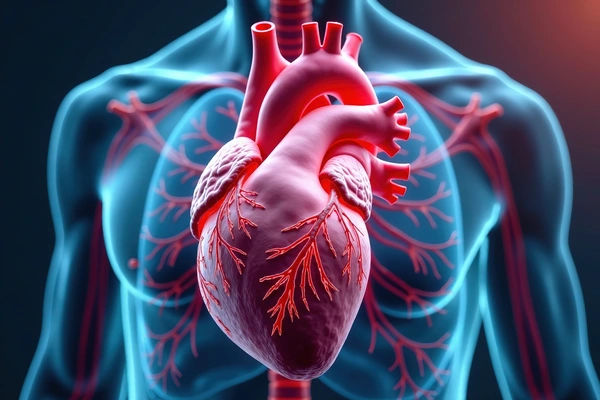
Aortic Stenosis Treatment Overview
Know about aortic stenosis, common symptoms, causes, diagnosis and treatment options. Learn about lifestyle tips to manage the disease and when to see the doctor.

_0.webp?tr=q-80,f-webp,w-350,dpr-2,c-at_max 700w)
Introduction
Aortic stenosis is a heart condition that affects the aortic valve, one of the four valves in your heart. This valve controls blood flow from your heart to the rest of your body. When it becomes narrow or stiff, your heart has to work harder to pump blood, which can lead to serious health problems if left untreated. If you or a loved one has been diagnosed with aortic stenosis, you may have questions about treatment options.
Don’t worry, this guide will help you understand the condition, its symptoms, causes, and the best ways to manage it.
What Is Aortic Stenosis?
Aortic stenosis occurs when the aortic valve doesn’t open fully, restricting blood flow from the heart. Over time, this can weaken the heart muscle and cause complications like heart failure, irregular heartbeats, or even sudden cardiac arrest.
Consult a Top Heart Specialist for the best advice
Common Symptoms to Watch For
In the early stages, aortic stenosis may not cause noticeable symptoms. However, as the condition worsens, you may experience:
- Shortness of breath (especially during physical activity)
- Chest pain or tightness (angina)
- Fatigue or dizziness
- Fainting spells
- Heart palpitations (irregular or rapid heartbeat)
If you notice these symptoms, it’s important to see a doctor for a proper evaluation.
What Causes Aortic Stenosis?
The most common causes include:
1. Ageing (Degenerative Aortic Stenosis) – Over time, calcium deposits can build up on the valve, making it stiff.
2. Congenital Heart Defects – Some people are born with an abnormal aortic valve (bicuspid valve instead of the usual three leaflets).
3. Rheumatic Fever – A complication of untreated strep throat that can damage heart valves.
How Is Aortic Stenosis Diagnosed?
Doctors use several tests to confirm aortic stenosis, including:
- Echocardiogram (Ultrasound of the heart)
- Electrocardiogram (ECG/EKG) (Checks heart’s electrical activity)
- Chest X-ray (Looks for heart enlargement)
- Cardiac Catheterisation (Measures pressure inside the heart)
If you suspect you have symptoms, booking a consultation with a cardiologist is the best next step.
Treatment Options for Aortic Stenosis
Treatment depends on the severity of your condition. Here’s an overview of the options:
1. Mild to Moderate Aortic Stenosis (No Symptoms Yet)
- Regular Monitoring – Your doctor may recommend yearly check-ups with echocardiograms.
- Lifestyle Changes – Eating heart-healthy foods, exercising moderately, and avoiding smoking can help.
2. Severe Aortic Stenosis (With Symptoms)
Once symptoms appear, treatment is necessary to prevent complications. The main options are:
A. Aortic Valve Replacement (AVR)
This is the most effective treatment for severe aortic stenosis. There are two main types:
- Surgical AVR (Open-Heart Surgery) – The damaged valve is replaced with a mechanical or tissue valve.
- Transcatheter Aortic Valve Replacement (TAVR) – A less invasive procedure where a new valve is inserted via a catheter (often recommended for older adults or high-risk patients).
B. Balloon Valvuloplasty
- A temporary solution where a balloon is inflated to widen the valve. This is usually done for patients who cannot undergo surgery immediately.
3. Medications for Symptom Relief
While medications can’t cure aortic stenosis, they can help manage symptoms:
- Diuretics (Reduce fluid buildup)
- Beta-blockers or Calcium Channel Blockers (Control heart rate and blood pressure)
- Anticoagulants (Prevent blood clots, especially with mechanical valves)
Lifestyle Tips for Managing Aortic Stenosis
Even with treatment, making healthy choices can improve your heart health:
- Eat a Heart-Healthy Diet – Focus on fruits, vegetables, whole grains, and lean proteins. Limit salt and saturated fats.
- Stay Active (With Doctor’s Approval) – Light exercises like walking or swimming can help.
- Avoid Strenuous Activities – Heavy lifting or intense workouts may strain your heart.
- Quit Smoking – Smoking worsens heart disease.
- Monitor Blood Pressure – Keep it under control to reduce heart strain.
When to See a Doctor?
If you experience:
- Worsening shortness of breath
- Chest pain at rest
- Frequent dizziness or fainting
Final Thoughts
Aortic stenosis is a serious condition, but with early diagnosis and proper treatment, many people continue to lead active, fulfilling lives. If you or a loved one has symptoms, don’t delay, reach out to a heart specialist for guidance.
Consult a Top Heart Specialist for the best advice
Consult a Top Heart Specialist for the best advice

Dr. Tripti Deb
Cardiologist
40 Years • MBBS, MD, DM, FACC, FESC
Hyderabad
Apollo Hospitals Jubilee Hills, Hyderabad

Dr. Zulkarnain
General Physician
2 Years • MBBS, PGDM, FFM
Bengaluru
PRESTIGE SHANTHINIKETAN - SOCIETY CLINIC, Bengaluru

Dr. Premapassan. K
Cardiologist
4 Years • MBBS., MD., DM (Cardiology)
Chennai
Apollo Clinic Velachery(Opp to Phoenix mall), Chennai

Dr. E Prabhakar Sastry
General Physician/ Internal Medicine Specialist
40 Years • MD(Internal Medicine)
Manikonda Jagir
Apollo Clinic, Manikonda, Manikonda Jagir

(200+ Patients)

Dr. Vijayakumar Subban
Cardiologist
15 Years • MD, DM (Cardiology), FNB (Intreventional Cardiology), Fellowship in Interventional Cardiology (The Prince Charles Hospital, Brisbane, Australia), Fellowship in Intravascular Imaging and Physiology (Asan Medical Center, Seoul, Korea), Cardiac CT (SCCT- Level II), Cardiac MRI (SCMR- Level I)
Chennai
Apollo Hospitals Greams Road, Chennai
(175+ Patients)
Consult a Top Heart Specialist for the best advice
Dr. Tripti Deb
Cardiologist
40 Years • MBBS, MD, DM, FACC, FESC
Hyderabad
Apollo Hospitals Jubilee Hills, Hyderabad
Dr. Zulkarnain
General Physician
2 Years • MBBS, PGDM, FFM
Bengaluru
PRESTIGE SHANTHINIKETAN - SOCIETY CLINIC, Bengaluru
Dr. Premapassan. K
Cardiologist
4 Years • MBBS., MD., DM (Cardiology)
Chennai
Apollo Clinic Velachery(Opp to Phoenix mall), Chennai
Dr. E Prabhakar Sastry
General Physician/ Internal Medicine Specialist
40 Years • MD(Internal Medicine)
Manikonda Jagir
Apollo Clinic, Manikonda, Manikonda Jagir
(200+ Patients)
Dr. Vijayakumar Subban
Cardiologist
15 Years • MD, DM (Cardiology), FNB (Intreventional Cardiology), Fellowship in Interventional Cardiology (The Prince Charles Hospital, Brisbane, Australia), Fellowship in Intravascular Imaging and Physiology (Asan Medical Center, Seoul, Korea), Cardiac CT (SCCT- Level II), Cardiac MRI (SCMR- Level I)
Chennai
Apollo Hospitals Greams Road, Chennai
(175+ Patients)