



Why Wearing High Heels Can Worsen Arthritis Pain?
High heels can stress joints and worsen arthritis pain. Learn how footwear affects your body and get easy tips to protect your joints and stay stylish.

Written by Dr. M L Ezhilarasan
Reviewed by Dr. Mohammed Kamran MBBS, FIDM
Last updated on 13th Jan, 2026
Introduction
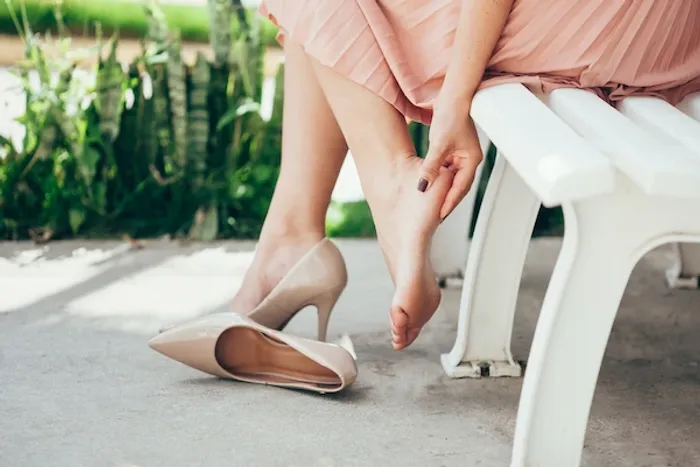
If you live with arthritis and heels are part of your wardrobe, you may have noticed more joint pain after a day in pumps. There’s a clear reason: high heels change how your body moves and how weight is distributed across your feet, knees, hips, and spine. Over time, these changes can aggravate sore joints and make everyday activities feel harder. The good news? Small footwear tweaks and a few smart habits can make a big difference.
Below, you’ll learn how high heels affect your body, what the research and medical experts say, and how to choose shoes that are kinder to your joints, without giving up your personal style.
Arthritis and Heels: Why Footwear Matters for Joint Pain?
Arthritis is a group of conditions that cause joint inflammation, stiffness, and pain. When you wear high heels, your heel sits above your toes, which shifts your centre of gravity forward. To keep balance, your knees and hips work harder and your lower back arches more. This posture increases pressure in areas often affected by arthritis, especially the feet, knees, and hips.
Medical organisations and clinical experts note that footwear with elevated heels increases forefoot pressure and can raise the load on the knee joint, factors linked to more pain in people with osteoarthritis. If you have inflammatory arthritis (like rheumatoid arthritis), high heels can also irritate sensitive joints in the forefoot and toes.
What Happens to Your Knees in Heels
- Added load on the knee joint: Heels can increase the forces that pass through the knee, especially on the inner (medial) side. Over time, this can aggravate symptoms in people with knee osteoarthritis.
- Stiffer gait: Heels shorten your stride and reduce shock absorption, which can send more impact up the leg with each step.
- More pain after standing or walking: Extra pressure on already inflamed or worn cartilage can translate into more soreness during and after activity.
How Do Heels Stress Your Feet and Toes?
- Forefoot pressure: Elevating the heel pushes body weight forward onto the ball of the foot, increasing pressure on the metatarsal heads. This can worsen pain under the forefoot.
- Toe crowding: Narrow, pointed toe boxes can irritate bunions, hammertoes, and neuromas, common sources of foot pain in people with arthritis.
- Reduced stability: Thin or very high heels decrease contact with the ground, making it easier to wobble and strain small joints in the midfoot and forefoot.
Hips, Back, and Balance
- Hips and back: Heels tilt the pelvis and increase the arch in your lower back, which can trigger discomfort in the hips and lumbar spine. If you already have joint pain, this extra stress may intensify symptoms.
- Balance and falls: Elevated heels can compromise balance, raising the risk of slips and falls, an important concern if arthritis affects your strength, range of motion, or reflexes.
Who is Most Likely to Feel Worse in High Heels?
- People with knee osteoarthritis: Added knee load from heels can worsen pain, stiffness, and swelling.
- People with midfoot or forefoot arthritis: More pressure on the ball of the foot can flare pain under the toes and at the big toe joint.
- People with bunions, hammertoes, or plantar fasciitis: Narrow or elevated shoes tend to aggravate these conditions.
- People with hip or low back pain: Postural changes in heels can make these areas ache more.
Smarter Shoe Choices to Reduce Joint Pain
You don’t have to give up style to care for your joints. Look for shoes with features that reduce pressure and improve alignment.
What to Look For?
- Low heel or flat (but supportive) profile: A small lift (about 1 inch or less) can be more comfortable than very flat or very high shoes.
- Wide, roomy toe box: Prevents toe crowding and reduces bunion irritation.
- Cushioned, shock-absorbing sole: Helps reduce impact on knees and hips.
- Rocker-bottom or gently curved sole: Can offload sore forefoot joints and make walking smoother.
- Good arch support and a stable base: Keeps your foot from collapsing inward and helps your knee track better.
If You Love Heels
- Choose lower heels: The lower the heel, the less pressure on your forefoot and knees.
- Pick block or wedge heels over stilettos: A wider base improves stability and spreads pressure more evenly.
- Limit wear time: Save higher heels for short events. Bring supportive flats or sneakers for commuting or standing.
- Use cushioned insoles or metatarsal pads: These can reduce pressure on the ball of the foot. Consider custom orthotics if recommended by your clinician.
Daily Habits That Protect Your Joints
Supportive footwear is only part of the picture. These simple habits can help ease symptoms and protect your joints over time.
Move More, with Less Impact
- Low-impact exercise: Walking, cycling, swimming, and water aerobics build strength and ease stiffness without pounding your joints.
- Strengthen support muscles: Target your quadriceps, glutes, calves, and foot muscles to improve joint alignment and shock absorption.
- Stretch gently: Calf, hamstring, and hip flexor stretches can improve mobility and reduce strain when you walk.
Mind The Basics
- Maintain a healthy weight: Less body weight means less force on weight-bearing joints like knees and hips.
- Pace your activities: Alternate periods of standing with sitting, and switch to supportive shoes when you start to feel fatigue.
- Use heat and cold wisely: Warmth can loosen stiff joints before activity; ice can calm sore areas afterwards.
When to See a Healthcare Professional?
- Joint pain that limits daily activities or sleep
- Swelling, warmth, or redness that doesn’t improve
- Frequent tripping, falls, or sudden changes in balance
- New foot deformities (e.g., bunions) or numbness/tingling
- You’re unsure which footwear is best for your condition
A clinician, such as a primary care provider, rheumatologist, orthopedist, or podiatrist, can confirm your diagnosis, adjust your treatment plan, and recommend footwear or orthotics tailored to your needs.
Consult Top Specialists
Myths and Facts About Arthritis and Heels
- Myth: High heels cause arthritis.
Fact: Heels do not directly cause arthritis. However, they can increase joint loading and aggravate existing symptoms, especially in the knees and feet. - Myth: Flats are always best.
Fact: Very flat, unsupportive shoes can also trigger pain. A supportive shoe with a slight heel, cushioning, and a stable sole is often more comfortable. - Myth: Pain is just part of wearing heels.
Fact: Pain is a signal that something isn’t right. Adjusting heel height, choosing wider toe boxes, and using cushioning can help, so can limiting wear time. - Myth: Orthotics won’t fit in stylish shoes.
Fact: Many slim, dress-shoe–friendly insoles exist. A podiatrist can suggest options that fit your style and support your joints. - Myth: If you have arthritis, you must give up all heels.
Fact: Many people find they can wear lower, wider heels for short periods without flaring symptoms. The key is moderation and support.
Practical Checklist For Comfortable, Joint-Friendly Outfits
- Plan your day: Wear supportive shoes for walking or standing; change into dress heels briefly for events.
- Bring backups: Keep cushioned flats or sneakers in your bag or car.
- Rotate styles: Alternate between different supportive shoes during the week to vary pressure points.
- Use aids: Consider a cushioned floor mat if you stand at work; try compression socks for swelling as advised by your clinician.
- Listen to your body: Rising pain or swelling means it’s time to swap shoes and rest.
Key Takeaways
- High heels shift your weight forward, increase knee and forefoot pressure, and can worsen joint pain in people with arthritis.
- You don’t have to give up style: lower, wider heels; roomy toe boxes; cushioning; and supportive soles can help.
- Pair smarter footwear with low-impact exercise, strength work, and pacing to keep you active and comfortable.If pain persists, a healthcare professional can help tailor footwear and treatment to your specific type of arthritis.
Consult Top Specialists
Consult Top Specialists

Dr. Ajay K Sinha
General Physician/ Internal Medicine Specialist
30 Years • MD, Internal Medicine
Delhi
Apollo Hospitals Indraprastha, Delhi

(225+ Patients)

Dr. Anand Ravi
General Physician
2 Years • MBBS, FEM
Bengaluru
PRESTIGE SHANTHINIKETAN - SOCIETY CLINIC, Bengaluru

Dr. Harshendra Jaiswal
General Physician/ Internal Medicine Specialist
12 Years • MBBS , MD (General medicine)
Kolkata
108 DHANA DHANVANTARI Clinic, Kolkata
(25+ Patients)

Dr Syed Mateen Pasha
General Physician
2 Years • MBBS
Bengaluru
PRESTIGE SHANTHINIKETAN - SOCIETY CLINIC, Bengaluru

Dr. Vivek D
General Physician
4 Years • MBBS
Bengaluru
PRESTIGE SHANTHINIKETAN - SOCIETY CLINIC, Bengaluru
Consult Top Specialists
Dr. Ajay K Sinha
General Physician/ Internal Medicine Specialist
30 Years • MD, Internal Medicine
Delhi
Apollo Hospitals Indraprastha, Delhi
(225+ Patients)
Dr. Anand Ravi
General Physician
2 Years • MBBS, FEM
Bengaluru
PRESTIGE SHANTHINIKETAN - SOCIETY CLINIC, Bengaluru
Dr. Harshendra Jaiswal
General Physician/ Internal Medicine Specialist
12 Years • MBBS , MD (General medicine)
Kolkata
108 DHANA DHANVANTARI Clinic, Kolkata
(25+ Patients)
Dr Syed Mateen Pasha
General Physician
2 Years • MBBS
Bengaluru
PRESTIGE SHANTHINIKETAN - SOCIETY CLINIC, Bengaluru
Dr. Vivek D
General Physician
4 Years • MBBS
Bengaluru
PRESTIGE SHANTHINIKETAN - SOCIETY CLINIC, Bengaluru
More articles from Arthritis
Frequently Asked Questions
Do high heels cause arthritis?
Heels do not directly cause arthritis. However, they can increase stress on the knees and feet and make existing arthritis symptoms worse.
What heel height is safest if I have arthritis?
Lower is generally better. Many people with arthritis feel more comfortable in shoes with a slight heel (around 1 inch) and good support than in very high heels or unsupportive flats.
Are wedges better than stilettos for joint pain?
Yes, wedges or block heels usually provide more stability and distribute pressure more evenly than thin heels. They still elevate the heel, though, so keep the height low.
Which features should I look for in everyday shoes?
A wide toe box, cushioned and shock-absorbing sole, good arch support, and a stable base. A gentle rocker-bottom sole can also reduce forefoot pressure.
Can inserts or orthotics help if I wear heels?
Cushioned insoles and metatarsal pads can reduce forefoot pressure. Custom orthotics may help with alignment and comfort. Ask a podiatrist or clinician for guidance.