

How to Avoid Asthma Attacks During Winter: Top Tips
Stay breathing easy with asthma winter tips. Learn how to prevent asthma attacks and protect your cold-weather health with simple, expert-backed steps.

Written by Dr. J T Hema Pratima
Reviewed by Dr. Md Yusuf Shareef MBBS, Advanced Certificate Course in Dermatology
Last updated on 14th Jan, 2026

Introduction
Cold, dry air, winter viruses, and indoor allergens can make asthma symptoms worse. If you or a loved one lives with asthma, now is the time to get ahead of triggers so you can breathe easier all season. In this guide, you’ll find asthma winter tips you can use right away to prevent asthma attacks and support your cold weather health with practical, trustworthy advice.
Why Can Winter Trigger Asthma Symptoms?
Cold, dry air irritates the airways. Inhaling cold air can cause the muscles around your airways to tighten, making it harder to breathe. Seasonal viruses surge. Flu, COVID-19, RSV, and common colds are more common in winter and can inflame the airways. Indoor allergens build up. Closed windows mean more exposure to dust mites, pet dander, and mould. Exercise in the cold can be a trigger. Cold-weather workouts may provoke coughing or wheezing. Smoke and indoor pollutants increase. Heating sources, scented products, and poor ventilation can worsen air quality.
Consult a Top Pulmonologist
Asthma Winter Tips You Can Start Today
Practical steps to manage triggers and protect your lungs during cold months.
1. Dress and Breathe Smart When It’s Cold
Cover your nose and mouth with a scarf or a cold-weather face covering to warm and humidify the air before it reaches your lungs. Heat-and-moisture-exchanging face masks are especially helpful in very cold or dry conditions. Breathe through your nose outdoors. Your nasal passages help warm and moisten the air. Warm up before heading outside. Start with 10 to 15 minutes of light movement indoors to reduce cold-induced airway tightening. Ask your clinician if using your quick-relief inhaler before outdoor activity is right for you. Many people benefit from pre-treatment before cold exposure or exercise. Avoid the coldest, windiest times of day. If temperatures or windchill are extreme, consider moving activity indoors.
2. Control Your Indoor Environment
Keep humidity in the sweet spot. Aim for 30% to 50% indoor humidity. Air that’s too dry can irritate airways; air that’s too humid can promote dust mites and mould. Use humidifiers safely. If you need a humidifier, clean it regularly as directed by the manufacturer and use fresh, distilled or demineralised water to prevent mould and bacteria growth. Change furnace and HVAC filters on schedule. High-efficiency filters and regular maintenance improve indoor air quality. Consider a HEPA air purifier for bedrooms and living areas, especially if you have pets or live in areas with winter air pollution. Reduce dust mites. Wash bedding weekly in hot water (at least 130°F/54°C), use allergen-proof covers on pillows and mattresses, and declutter dust-prone areas. Prevent mould. Fix leaks quickly, run bathroom exhaust fans during and after showers, and dry damp areas within 24 to 48 hours. Skip smoke and strong scents. Keep your home smoke-free. Avoid burning candles or incense and go easy on air fresheners and cleaners with strong fragrances.
3. Stick to Your Asthma Action Plan
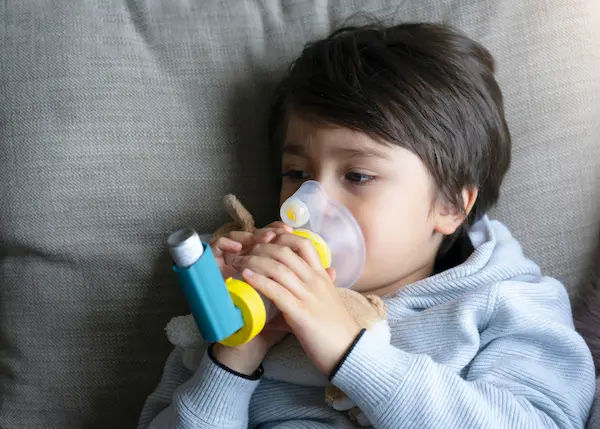
Take your daily controller medicine exactly as prescribed, even when you feel well. Winter is not the time to cut back without medical advice. Carry your quick-relief inhaler. Keep one with you and a backup at home. Check expiration dates and canister fullness. Refresh your inhaler technique. Ask your clinician or pharmacist to review proper technique and consider a spacer for metered-dose inhalers. Track your symptoms and peak flow (if you use a peak flow meter). Early changes can help you adjust treatment per your written action plan. Know when to escalate care. If symptoms get worse, your quick-relief inhaler helps for a shorter time than usual, or you’re waking at night with symptoms, contact your clinician.
4. Vaccines and Infection Prevention to Prevent Asthma Attacks
Stay up to date with vaccines. Annual flu vaccination and recommended COVID-19 vaccination are important for people with asthma. Ask your clinician if pneumococcal vaccination is appropriate for you. Wash hands often and avoid close contact with people who are sick. Consider a high-quality mask in crowded indoor spaces during high virus activity. If you get sick, start your asthma action plan. Seek care promptly for fever, worsening cough, chest tightness, or breathing difficulty. Antiviral treatment for flu is most effective when started early.
5. Exercise Safely in Cold Weather
Warm up and cool down. Gradual changes reduce airway stress. Cover your mouth and nose during workouts outside. Consider a heat-and-moisture-exchanging mask for vigorous activity. Pre-medicate if advised. Some people benefit from using a quick-relief inhaler before exercise. Choose indoor options on very cold or high-pollution days. Check your local air quality index (AQI) and plan around poor air days.
6. Travel and Emergency Readiness
Pack a winter asthma kit. Include your controller and quick-relief inhalers, spacer, peak flow meter (if you use one), written action plan, and extra face coverings. Protect medication from freezing. Keep inhalers at room temperature; don’t leave them in a cold car. Know red flags that need urgent care: severe shortness of breath, difficulty speaking, bluish lips or face, ribs pulling in with breaths, confusion, or no improvement after using your quick-relief inhaler as directed. Call emergency services if these occur.
7. Prevent Asthma Attacks with Smart Daily Habits
Prioritise sleep. Rest supports your immune system and reduces stress-related flares. Stay hydrated. Warm fluids can soothe your airways and thin mucus. Eat a balanced, fibre-rich diet. Healthy eating supports overall immunity and weight maintenance, both helpful for lung health. Manage stress. Breathing exercises, gentle yoga, or mindfulness can ease tension that can worsen symptoms. Avoid tobacco smoke and vaping. Smoke and aerosols irritate the lungs and increase the risk of flares. If you smoke, ask your clinician about quit supports.
8. Cold Weather Health Checklist for People with Asthma
Here is the cold weather health checklist for people with asthma:
- Have an up-to-date written asthma action plan and know how to use it.
- Ensure your controller and rescue inhalers are current and accessible, and you’re confident in your technique.
- Schedule a winter check-in with your clinician to review control, medications, and vaccines.
- Maintain indoor humidity between 30% and 50%, cleaning humidifiers and changing filters regularly.
- Cover your nose and mouth outdoors, and plan workouts around extreme cold or poor air quality.
- Practise good hand hygiene and avoid contact with sick people whenever possible.
When to See Your Clinician?
You’re using your quick-relief inhaler more often than usual or more than recommended in your action plan. Nighttime symptoms are waking you, or you’re limiting activities due to asthma. You’ve had a recent asthma flare, ER visit, or course of oral steroids. You’re unsure about inhaler technique, whether you need a spacer, or how to adjust your plan for winter. A seasonal review can fine-tune your regimen so you can stay active and comfortable all winter.
Consult a Top Pulmonologist
Consult a Top Pulmonologist

Dr. P Sravani
Pulmonology Respiratory Medicine Specialist
3 Years • MBBS, MD
Visakhapatnam
Apollo Clinic Vizag, Visakhapatnam

Dr. Alagesan Chandran A
General Physician/ Internal Medicine Specialist
37 Years • MBBS, MD General Medicine
Bengaluru
Apollo Clinic, Sarjapur Road, Bengaluru

Dr. K Prasanna Kumar Reddy
Pulmonology Respiratory Medicine Specialist
16 Years • MBBS, DTCD (TB&CHEST), DNB (PULM MED), FCCP
Hyderabad
Apollo Medical Centre Kondapur, Hyderabad
Dr. E Prabhakar Sastry
General Physician/ Internal Medicine Specialist
40 Years • MD(Internal Medicine)
Manikonda Jagir
Apollo Clinic, Manikonda, Manikonda Jagir
(225+ Patients)
Dr. Gomathi R G
Respiratory Medicine/ Covid Consult
7 Years • MBBS, MD (TB & Pul. Med.)
Chennai
Apollo First Med Hospitals P H Road, Chennai
Consult a Top Pulmonologist
Dr. P Sravani
Pulmonology Respiratory Medicine Specialist
3 Years • MBBS, MD
Visakhapatnam
Apollo Clinic Vizag, Visakhapatnam
Dr. Alagesan Chandran A
General Physician/ Internal Medicine Specialist
37 Years • MBBS, MD General Medicine
Bengaluru
Apollo Clinic, Sarjapur Road, Bengaluru
Dr. K Prasanna Kumar Reddy
Pulmonology Respiratory Medicine Specialist
16 Years • MBBS, DTCD (TB&CHEST), DNB (PULM MED), FCCP
Hyderabad
Apollo Medical Centre Kondapur, Hyderabad
Dr. E Prabhakar Sastry
General Physician/ Internal Medicine Specialist
40 Years • MD(Internal Medicine)
Manikonda Jagir
Apollo Clinic, Manikonda, Manikonda Jagir
(225+ Patients)
Dr. Gomathi R G
Respiratory Medicine/ Covid Consult
7 Years • MBBS, MD (TB & Pul. Med.)
Chennai
Apollo First Med Hospitals P H Road, Chennai
More articles from Asthma
.webp)

Frequently Asked Questions
Why does cold air trigger asthma?
Cold, dry air can irritate and tighten the muscles around your airways, making them narrower. This can lead to coughing, wheezing, and shortness of breath, especially during outdoor activity.
Do scarves or masks really help in winter?
Yes. Covering your nose and mouth warms and humidifies the air before it reaches your lungs, which can reduce cold-induced symptoms. Heat-and-moisture-exchanging masks provide extra benefit in very cold or dry conditions.
Are humidifiers good or bad for asthma in winter?
They can help if your home air is very dry, but the key is balance and cleanliness. Aim for 30% to 50% humidity and clean your humidifier regularly to prevent mould and bacteria.
Which vaccines should people with asthma consider each winter?
Annual flu vaccination and staying up to date with COVID-19 vaccination are recommended. Ask your clinician if pneumococcal vaccination is appropriate for your age and health status.
Is it safe to exercise outdoors in cold weather with asthma?
Yes, with precautions. Warm up first, cover your mouth and nose, avoid very cold or high-pollution days, and use your quick-relief inhaler before activity if your clinician advises it.