


Natural Ways to Dissolve Bone Spurs
Looking for bone spur remedies? Discover safe, science-backed methods to naturally relieve pain, including exercises, footwear tips, and when to consult a doctor.

Introduction: Why People Seek Natural Bone Spur Help
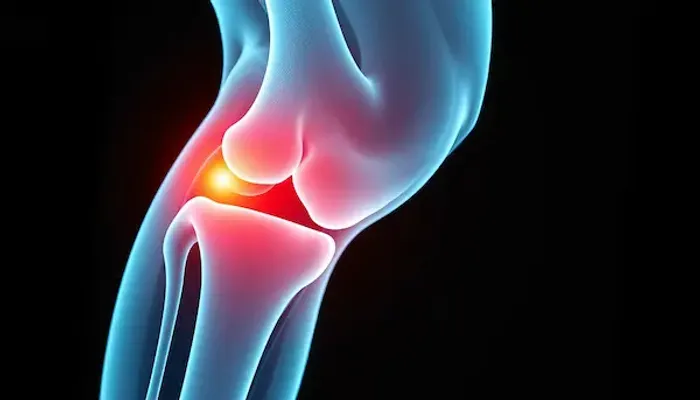
Bone spurs, also known as osteophytes, are bony growths that develop where bones meet or where tendons and ligaments attach. They commonly appear in the heel, big toe, knee, hip, shoulder and spine. Although some cause no trouble at all, others can create pain by irritating nearby soft tissues or by narrowing the space around joints or nerves. Because of this discomfort, many people search for natural remedies that address bone spur pain without surgery. It is important to be honest and realistic from the start. There is currently no proven way to dissolve or eliminate a bone spur at home. However, many safe and reliable strategies can calm inflammation, improve comfort, support mobility and help you stay active. With steady use of conservative care, many people never require surgical treatment.
This guide explains what bone spurs are, clears up common misconceptions and offers practical steps for reducing pain and staying mobile, with guidance on when to seek professional help.
Consult a Top General Practitioner for Personalised Advice
What Are Bone Spurs?
Let us see below bone spurs, what are their causes, and more:
What are they?
- Extra bone growths that the body forms in response to pressure, friction or joint wear and tear.
Common causes
- Osteoarthritis
- Chronic tendon or ligament irritation, such as plantar fasciitis in the heel
- Age-related changes that naturally affect joints over time
Symptoms
- Some bone spurs cause no symptoms at all
- Pain with movement
- Stiffness or reduced joint mobility
- Swelling or tenderness
- A catching sensation or reduced smoothness of movement
- Numbness or tingling when a nerve is compressed, which is more common with spinal spurs
Natural Remedies To Dissolve Bone Spurs
Let us see the truth about natural remedies to dissolve bone spurs
What Science Shows?
- There is no strong evidence that home remedies or supplements can dissolve existing bone spurs.
The Positive News
- Many conservative strategies help reduce pain and inflammation.
- They can support mobility and overall comfort.
- They may also reduce further irritation around the affected area.
When Medical Care May Be Needed?
- If severe pain persists
- When nerve symptoms are present
- When structural changes limit daily activities despite home treatment
Evidence-based Bone Spurs Home Remedies
These approaches often work well when used consistently across several weeks. If symptoms worsen or concerning
signs appear, seek medical advice.
Movement and Physical Therapy
- Activity modification: Temporarily reduce activities that sharply increase pain, such as high-impact running during a
heel spur flare, and replace them with low-impact options. - Low-impact exercise: Walking, cycling, swimming and water aerobics keep joints moving without excessive pressure
while reducing stiffness. - Physical therapy: A trained therapist can provide personalised exercises, manual therapy, joint mobility work and
postural guidance targeted to your condition.
Stretching and Mobility Routines
Heel and plantar fasciitis-related spurs
- Calf stretches against a wall with both straight and bent knees.
- Plantar fascia stretch by pulling the toes toward the shin using a towel.
- Rolling the arch of the foot on a frozen water bottle or massage ball for a few minutes.
Shoulder spurs linked to rotator cuff irritation
- Gentle shoulder range-of-motion drills, such as pendulum exercises.
- Posture-focused routines and scapular strengthening as advised by a therapist.
Spine spurs
- Core stabilisation exercises performed under professional guidance.
- Postural work that avoids prolonged sitting.
- Changing positions every 30 to 60 minutes to prevent stiffness.
Hip and knee spurs
- Quadriceps and hip abductor strengthening.
- Flexibility work involving hip flexors and hamstrings to improve joint movement.
Footwear and Orthotics
- Supportive shoes: Choose cushioned footwear that suits your foot structure and the type of activity you perform.
- Heel cups or orthotics: Over-the-counter inserts can reduce pressure on heel spurs and support the arch. Custom
orthotics may be beneficial if standard options are not enough.
Ice and Heat
- Ice for pain flares: Apply a cold pack wrapped in a thin towel to the painful area for 10 to 20 minutes after activity to
calm inflammation. - Heat for stiffness: Use warm showers or a heating pad for 10 to 20 minutes before activity to loosen tight muscles.
Avoid heat on fresh swelling.
Topical and Oral Pain Relief
- Topical NSAIDs: Over-the-counter diclofenac gel can reduce localised pain with less systemic exposure.
- Oral NSAIDs: Ibuprofen or naproxen can help short term. Use the lowest effective dose and consult a clinician if you
have kidney, stomach, heart or bleeding concerns. - Acetaminophen: Useful for pain relief but not inflammation. Follow daily dosage limits strictly.
Weight Management and Joint Load
- Even modest weight reduction can ease stress on weight-bearing joints such as hips, knees and feet, helping reduce pain
linked to associated conditions like osteoarthritis and plantar fasciitis.
Ergonomics and Everyday Habits
- Posture breaks: Stand, stretch or walk regularly, especially during long periods of sitting or driving.
- Gradual training: Follow the 10 percent rule when increasing activity levels to prevent sudden overload.
- Supportive surfaces: Use cushioned mats during long periods of standing.
Anti-Inflammatory Lifestyle Through Diet and Supplements
The anti-inflammatory lifestyle includes:
Diet
- Emphasise a Mediterranean-style pattern including vegetables, fruits, whole grains, beans, nuts, fish and olive oil to
support inflammation control and joint health. - Limit ultra-processed foods, sugary drinks and excess alcohol, which may increase inflammation for some people.
Supplements (used carefully)
- Omega-3 fatty acids from fatty fish or fish oil may help with systemic inflammation in some individuals.
- Curcumin from turmeric extract may offer modest support for inflammatory discomfort. Speak to your clinician, especially if taking blood thinners.
- Vitamin D supports bone and muscle health. Supplementing should be based on proven deficiency and professional advice.
- No supplement has been proven to dissolve bone spurs, and high doses should be avoided without medical supervision.
Popular Internet Remedies
Some internet remedies include:
- Epsom salt soaks, apple cider vinegar, essential oils and baking soda pastes lack strong evidence for dissolving bone
spurs. - Warm or cool soaks may offer temporary comfort.
- People with diabetes or circulation problems should avoid hot soaks unless advised by a clinician.
A Simple Weekly Plan to Start
A simple plan to start with is:
Daily
- Five to ten minutes of gentle stretching for your affected area.
- Twenty to thirty minutes of low-impact activity such as walking or cycling.
- Ice after activity if sore and heat before activity if stiff.
- Wear supportive footwear and use orthotics when recommended.
Two to three Times Per Week
- Strength and stability exercises such as calf raises, hip abductor movements or core exercises as advised.
Ongoing
- Follow a Mediterranean-style dietary pattern.
- Maintain good sleep and stress management habits which influence pain perception.
- Track symptoms to identify helpful and aggravating activities.
When to See a Healthcare Professional?
See a healthcare professional when:
- Pain persists for several weeks despite home care.
- Numbness, tingling, weakness or balance problems occur.
- New changes in bowel or bladder function, particularly with spinal symptoms.
- Severe night pain, fever, unexplained weight loss or sudden swelling.
- Heel pain that makes walking difficult after rest.
- Uncertainty about diagnosis or the best treatment strategy.
Medical Treatments
Medical treatments include:
- Clinician-guided physical therapy.
- Custom orthotics, braces or night splints such as those used for plantar fasciitis.
- Medications chosen for your health profile.
- Corticosteroid injections for short-term relief of severe inflammation.
- Surgery to remove a spur or treat contributing causes when conservative care is not effective. Many people improve
without surgery.
Prevention Tips
Preventive tips include:
- Keep joints moving with regular low-impact exercise.
- Increase training gradually.
- Wear supportive footwear for all activities.
- Maintain a healthy body weight.
- Address joint or tendon discomfort early rather than ignoring symptoms.
Final Takeaway
While natural methods cannot dissolve bone spurs, many practical strategies can significantly reduce pain, improve mobility and support long-term joint health. Movement-based care, supportive footwear, ice and heat therapy, and thoughtful lifestyle habits all contribute to better comfort and function. Paying attention to posture, gradually increasing activity and choosing anti-inflammatory foods can further enhance recovery. When symptoms persist or when nerve signs appear, professional evaluation is important. With a steady and informed approach, many people experience meaningful relief and often avoid the need for surgery.
Consult a Top General Practitioner for Personalised Advice
Consult a Top General Practitioner for Personalised Advice

Dr. Rajib Ghose
General Physician/ Internal Medicine Specialist
25 Years • MBBS
East Midnapore
VIVEKANANDA SEBA SADAN, East Midnapore

Dr Suseela
General Physician
5 Years • MBBS
Bengaluru
Apollo Medical Center, Marathahalli, Bengaluru

Dr. Ashita Kuruvilla
General Practitioner
7 Years • MBBS
Kolkata
KVC CLINIC, Kolkata

Dr. Suvayan Sadhu
General Practitioner
2 Years • MBBS
Kolkata
GRD POLYCLINIC, Kolkata

Dr. Ramyajit Lahiri
General Physician/ Internal Medicine Specialist
7 Years • MBBS,MD
New Town
AESTHETICAROOTS, New Town
Consult a Top General Practitioner for Personalised Advice
Dr. Rajib Ghose
General Physician/ Internal Medicine Specialist
25 Years • MBBS
East Midnapore
VIVEKANANDA SEBA SADAN, East Midnapore
Dr Suseela
General Physician
5 Years • MBBS
Bengaluru
Apollo Medical Center, Marathahalli, Bengaluru
Dr. Ashita Kuruvilla
General Practitioner
7 Years • MBBS
Kolkata
KVC CLINIC, Kolkata
Dr. Suvayan Sadhu
General Practitioner
2 Years • MBBS
Kolkata
GRD POLYCLINIC, Kolkata
Dr. Ramyajit Lahiri
General Physician/ Internal Medicine Specialist
7 Years • MBBS,MD
New Town
AESTHETICAROOTS, New Town
Frequently Asked Questions
Q.) Can bone spurs go away on their own?
Most bone spurs do not disappear, but many cause no symptoms. Those who do often improve with conservative treatment.
2) What are the best bone spur remedies at home?
Movement therapy, stretching, supportive footwear, orthotics, ice, heat and topical NSAIDs are the most evidence-based methods.
Q.)Do any supplements dissolve bone spurs?
No supplements dissolve bone spurs. Some may help reduce inflammation for certain individuals.
Q.) When is surgery necessary?
Surgery is considered when pain persists despite conservative efforts or when nerve compression and joint changes significantly affect daily life.
Q.) Is it safe to keep exercising with a bone spur?
Low-impact exercise is usually safe. Avoid activities that sharply worsen symptoms and seek guidance when needed.