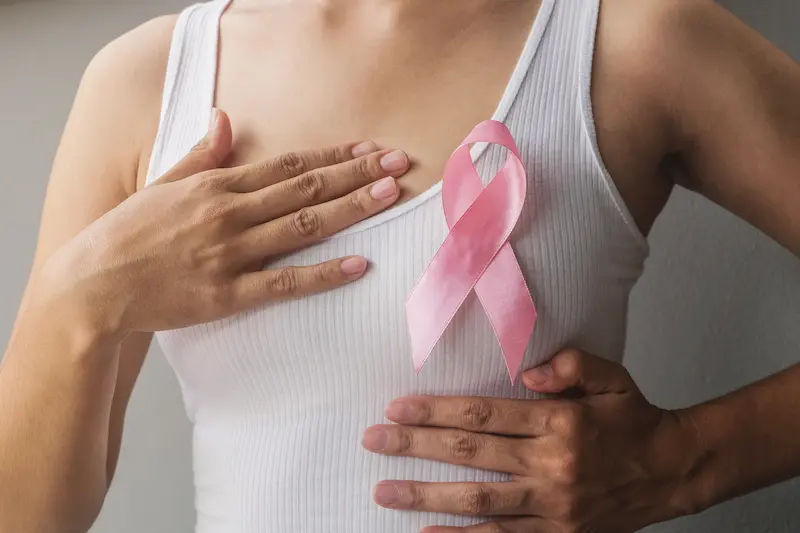
Is Breast Cancer Considered Deadly?
Learn whether breast cancer is considered deadly, how survival rates vary by stage and type, and why early detection and advances in treatment have significantly improved outcomes for many patients.
Written by Dr. Dhankecha Mayank Dineshbhai
Reviewed by Dr. Md Yusuf Shareef MBBS, Advanced Certificate Course in Dermatology
Last updated on 13th Jan, 2026

Breast cancer is one of the most common cancers affecting women worldwide, and it can be a frightening diagnosis. However, with advancements in medical science, early detection, and effective treatments, breast cancer is no longer as deadly as it once was. The key lies in awareness, timely diagnosis, and proper treatment.
Understanding Breast Cancer
Breast cancer occurs when cells in the breast grow uncontrollably, forming a tumour. If not detected early, these cancerous cells can spread to other parts of the body (metastasis), making treatment more challenging.
Is Breast Cancer Always Deadly?
No, breast cancer is not always deadly. The survival rate depends on:
- Stage at diagnosis (early-stage cancers have higher cure rates).
- Type of breast cancer (some are more aggressive than others).
- Treatment response (how well the body responds to therapy).
According to studies, the 5-year survival rate for localised breast cancer (when it hasn’t spread) is over 90%. Even when cancer spreads to nearby lymph nodes, the survival rate remains high with proper treatment.
Symptoms of Breast Cancer
Early detection is crucial. Watch out for:
- A lump or thickening in the breast or underarm.
- Changes in breast size or shape.
- Nipple discharge (other than breast milk).
- Skin dimpling or redness (like an orange peel).
- Persistent pain in the breast or nipple.
If you notice any of these symptoms, consult a doctor immediately.
What Causes Breast Cancer?
While the exact cause is unclear, certain risk factors increase the likelihood:
- Age (risk increases after 50).
- Family history (especially if a close relative had breast or ovarian cancer).
- Genetic mutations (like BRCA1 and BRCA2 genes).
- Hormonal factors (early menstruation, late menopause, hormone therapy).
- Lifestyle factors (obesity, alcohol consumption, lack of exercise).
Consult Top Specialists
How Is Breast Cancer Diagnosed?
Doctors use several tests to confirm breast cancer:
1. Mammogram: An X-ray of the breast.
2. Ultrasound: Helps distinguish between solid lumps and fluid-filled cysts.
3. Biopsy: A small tissue sample is taken for lab testing.
4. MRI: Provides detailed images of breast tissue.
If you’re at high risk, regular screenings can help detect cancer early.
Treatment Options for Breast Cancer
Treatment depends on the cancer type and stage:
- Surgery (lumpectomy or mastectomy).
- Radiation therapy (targets cancer cells with high-energy rays).
- Chemotherapy (drugs to kill cancer cells).
- Hormone therapy (for hormone-sensitive cancers).
- Targeted therapy (drugs that attack specific cancer cells).
Many women recover fully with the right treatment plan.
How to Reduce Your Risk of Breast Cancer?
While some factors (like genetics) can’t be changed, you can lower your risk by:
- Maintaining a healthy weight (obesity increases risk).
- Exercising regularly (30 minutes a day helps).
- Limiting alcohol (even one drink per day can raise risk).
- Breastfeeding (if possible, reduces risk).
- Avoiding hormone replacement therapy (HRT) for long periods.
- Self-Exams and Regular Screenings
- Monthly self-exams help detect changes early.
- Annual mammograms are recommended for women over 40 (or earlier if high-risk).
Emotional Support and Mental Health
A breast cancer diagnosis can be emotionally overwhelming. Seek support from:
- Family and friends.
- Support groups (many hospitals and organisations offer them).
- Counselling or therapy (to manage anxiety and depression).
When to See a Doctor?
If you notice any unusual changes in your breasts, don’t wait—consult a doctor immediately. Early detection saves lives.
Book a Consultation or Mammogram Today
If you’re due for a breast cancer screening or have concerns, you can book a consultation or schedule a mammogram through Apollo 24|7. Early detection is the best defence against breast cancer.
Conclusion
Breast cancer is serious, but it’s not always deadly. With early detection and proper treatment, many women survive and lead healthy lives. Stay informed, get regular check-ups, and take steps to reduce your risk.
Remember, you’re not alone—medical advancements and support systems are here to help you through every step of the journey.
Consult Top Specialists
Consult Top Specialists

Dr. Prathyush V
Medical Oncologist
12 Years • MBBS, MD Haematology , DrNB Medical oncology.
Bengaluru
Apollo Hospitals Sheshadripuram, Bengaluru
Dr Devashish Tripathi
Radiation Specialist Oncologist
20 Years • MBBS, PLAB, MRCP (UK)- General Medicine, FRCR (Oncology), Certificate of Completion of Training (CCT)- Clinical Oncology
Delhi
Apollo Hospitals Indraprastha, Delhi

(25+ Patients)

Dr Prasanna Rammohan
Oncologist
18 Years • MBBS,MD,DM(Oncology),ECMO,FCPM
Tiruchirappalli
Apollo Speciality Hospitals Old Palpannai, Tiruchirappalli

Dr. Harsh J Shah
Surgical Oncologist
15 Years • MS, MCh (GI), DrNB (GI)
Ahmedabad
Apollo Hospitals Gandhinagar, Ahmedabad

Dr. Amit Choraria
Surgical Oncologist
18 Years • MBBS, MS (Surgery) Fellow, Surgical Oncology, Tata Medical Center (FSO) Fellow, European Board of Surgery (Surgical Oncology) (FEBS) Fellow, Minimal Access Surgery (FMAS) Fellow, Indian Association of Gastrointestinal Endosurgeons (FIAGES) UICC Fellow, Royal Marsden NHS, London, UK Visiting Scholar, Plastic Reconstructive Surgery, CGMH, Taiwan Fellow, Robotic Surgical Oncology, Vattikuti Foundation, USA
Kolkata
Apollo Multispeciality Hospitals , Kolkata, Kolkata
(75+ Patients)
Consult Top Specialists
Dr. Prathyush V
Medical Oncologist
12 Years • MBBS, MD Haematology , DrNB Medical oncology.
Bengaluru
Apollo Hospitals Sheshadripuram, Bengaluru
Dr Devashish Tripathi
Radiation Specialist Oncologist
20 Years • MBBS, PLAB, MRCP (UK)- General Medicine, FRCR (Oncology), Certificate of Completion of Training (CCT)- Clinical Oncology
Delhi
Apollo Hospitals Indraprastha, Delhi
(25+ Patients)
Dr Prasanna Rammohan
Oncologist
18 Years • MBBS,MD,DM(Oncology),ECMO,FCPM
Tiruchirappalli
Apollo Speciality Hospitals Old Palpannai, Tiruchirappalli
Dr. Harsh J Shah
Surgical Oncologist
15 Years • MS, MCh (GI), DrNB (GI)
Ahmedabad
Apollo Hospitals Gandhinagar, Ahmedabad
Dr. Amit Choraria
Surgical Oncologist
18 Years • MBBS, MS (Surgery) Fellow, Surgical Oncology, Tata Medical Center (FSO) Fellow, European Board of Surgery (Surgical Oncology) (FEBS) Fellow, Minimal Access Surgery (FMAS) Fellow, Indian Association of Gastrointestinal Endosurgeons (FIAGES) UICC Fellow, Royal Marsden NHS, London, UK Visiting Scholar, Plastic Reconstructive Surgery, CGMH, Taiwan Fellow, Robotic Surgical Oncology, Vattikuti Foundation, USA
Kolkata
Apollo Multispeciality Hospitals , Kolkata, Kolkata
(75+ Patients)
_3.webp)