



Breast Self-Exam for Health Awareness
Learn the importance of a Breast Self-Exam for early detection and health awareness. Understand how to perform it, when to check, and why it matters for maintaining breast health.
Written by Dr. Rohinipriyanka Pondugula
Reviewed by Dr. Rohinipriyanka Pondugula MBBS
Last updated on 13th Jan, 2026
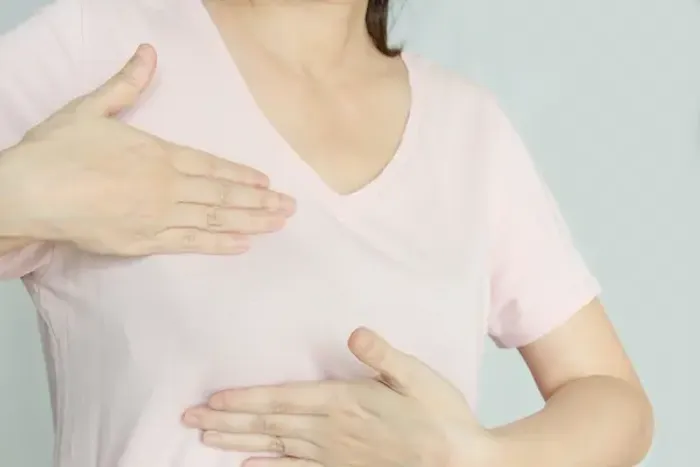
Introduction
Breast health is an essential part of overall well-being, and being proactive about it can make a big difference. One of the simplest yet most effective ways to stay aware of your breast health is by performing a Breast Self-Exam (BSE). This easy, at-home check can help you detect any unusual changes early, increasing the chances of successful treatment if needed.
In this article, we’ll guide you through why breast self-exams matter, how to perform them correctly, and when to seek medical advice.
Why Should You Do a Breast Self-Exam?
Breast self-exams help you become familiar with how your breasts normally look and feel. This way, you can quickly notice any changes, such as lumps, pain, or skin changes, and bring them to your doctor’s attention.
While BSEs are not a substitute for clinical exams or mammograms, they empower you to take charge of your health. Early detection of breast abnormalities can lead to earlier diagnosis and better outcomes.
Consult a Gynaecologist for the best advice
When Should You Perform a Breast Self-Exam?
The best time to do a breast self-exam is a few days after your period ends, when your breasts are less tender and swollen. If you no longer have periods, choose a fixed day each month (e.g., the first of the month) to make it a habit.
How to Perform a Breast Self-Exam
Follow these simple steps to examine your breasts properly:
Step 1: Look at Your Breasts in the Mirror
- Stand in front of a mirror with your shoulders straight and arms on your hips.
- Look for any changes in size, shape, or color.
- Check for dimpling, puckering, redness, or swelling.
- Raise your arms and look for the same changes.
Step 2: Feel Your Breasts While Lying Down
- Lie down on your back and place a pillow under your right shoulder.
- Use the pads of your three middle fingers (not fingertips) to press gently in small circular motions.
- Cover the entire breast, from the collarbone to the top of the abdomen and from the armpit to the cleavage.
- Repeat on the left breast.
Step 3: Feel Your Breasts While Standing or Sitting
- Many women find it easier to check their breasts in the shower when the skin is wet and slippery.
- Use the same hand movements as before, gentle pressure in circular motions.
What Changes Should You Look For?
While doing a self-exam, watch for:
- A new lump or hard knot in the breast or armpit.
- Thickening or swelling in one area.
- Nipple changes (inversion, discharge, or pain).
- Skin irritation, dimpling, or redness.
- Unusual pain in one spot.
Note: Most breast lumps are not cancerous, but it’s always best to get them checked by a doctor.
When to See a Doctor
If you notice any of the following, schedule an appointment with a healthcare provider:
- A new, painless lump that doesn’t go away after your next period.
- Changes in breast shape, size, or skin texture.
- Nipple discharge (especially if bloody or clear).
- Persistent breast pain unrelated to your menstrual cycle.
- Early evaluation can help rule out serious conditions or catch problems early when they are most treatable.
Other Ways to Maintain Breast Health
While self-exams are helpful, they should be combined with other preventive measures:
1. Clinical Breast Exams
- Women in their 20s and 30s should have a clinical breast exam by a doctor every 1-3 years.
- After 40, yearly mammograms are recommended.
2. Healthy Lifestyle Choices
- Maintain a balanced diet rich in fruits, vegetables, and whole grains.
- Exercise regularly (at least 150 minutes per week).
- Limit alcohol and avoid smoking.
- Maintain a healthy weight to reduce breast cancer risk.
3. Know Your Family History
If breast cancer runs in your family, discuss genetic testing and early screening options with your doctor.
Conclusion
Breast self-exams take just a few minutes but can make a big difference in early detection. By making them a monthly habit, you become more aware of your body and can take quick action if something seems off.
If you notice any unusual changes or want to learn more about breast health, consider booking a consultation with a specialist through Apollo 24|7. Early detection saves lives; stay informed and proactive!
Consult a Gynaecologist for the best advice
Consult a Gynaecologist for the best advice

Dr Sujata Agarwal
Obstetrician and Gynaecologist
30 Years • MBBS, MD, FICOG
Delhi
Apollo Hospitals Indraprastha, Delhi

Dr Ambreen S
Obstetrician and Gynaecologist
8 Years • MS(Obstetrics & Gynaecology), Fellowship in Minimally Invasive Gynaecology Surgery and Internal Iliac Ligation
Lucknow
Apollomedics Super Speciality Hospital, Lucknow

Dr. Rini Ravindran
Obstetrician and Gynaecologist
5 Years • MBBS, MS (OBG) , DNB (OBG)
Bengaluru
Apollo Hospital Sarjapur Road, Bengaluru

Dr Parwati Sharma
Obstetrician and Gynaecologist
10 Years • MBBS, MD, DrNB (Obs & Gyane)
Bhopal
Apollo Sage Hospitals, Bhopal

Dr. Asawari Kesari Kapoor
Obstetrician and Gynaecologist
23 Years • M.B.B.S, D.G.O(Mumbai) ,D.G.O (C.P.S), D.N.B (OBGY)
Delhi
Apollo Hospitals Indraprastha, Delhi

(25+ Patients)
Consult a Gynaecologist for the best advice
Dr Sujata Agarwal
Obstetrician and Gynaecologist
30 Years • MBBS, MD, FICOG
Delhi
Apollo Hospitals Indraprastha, Delhi
Dr Ambreen S
Obstetrician and Gynaecologist
8 Years • MS(Obstetrics & Gynaecology), Fellowship in Minimally Invasive Gynaecology Surgery and Internal Iliac Ligation
Lucknow
Apollomedics Super Speciality Hospital, Lucknow
Dr. Rini Ravindran
Obstetrician and Gynaecologist
5 Years • MBBS, MS (OBG) , DNB (OBG)
Bengaluru
Apollo Hospital Sarjapur Road, Bengaluru
Dr Parwati Sharma
Obstetrician and Gynaecologist
10 Years • MBBS, MD, DrNB (Obs & Gyane)
Bhopal
Apollo Sage Hospitals, Bhopal
Dr. Asawari Kesari Kapoor
Obstetrician and Gynaecologist
23 Years • M.B.B.S, D.G.O(Mumbai) ,D.G.O (C.P.S), D.N.B (OBGY)
Delhi
Apollo Hospitals Indraprastha, Delhi
(25+ Patients)