


What Leads to Signs of Bronchitis Causes and Care
Understand signs and causes of bronchitis, home care tips, and when to consult a doctor. Get expert help through Apollo24|7 for fast guidance and treatment.


Introduction
A nagging cough that won’t quit, chest congestion that rattles, and thick mucus that’s hard to clear—these are the classic signs of bronchitis. But what actually leads to these symptoms, and how can you tell if it’s a simple “chest cold” or something more serious? In plain language, bronchitis means inflammation of the bronchial tubes—the airways that carry air in and out of your lungs. Inflammation is what triggers cough, mucus production, and sometimes wheezing and chest tightness.
This guide breaks down what leads to signs of bronchitis, how to recognise acute versus chronic bronchitis, and how doctors diagnose and treat it. You’ll learn the most common causes (hint: viruses), when antibiotics help (and when they don’t), what risk factors make bronchitis more likely, and practical home strategies that ease symptoms. We’ll also cover how bronchitis differs from pneumonia and COVID-19, prevention tips, and when to seek medical care. If symptoms persist beyond two weeks or worsen, consider consulting a doctor online with Apollo 24|7 for further evaluation.Consult a Top Pulmonologist for Personalised Advice
What Is Bronchitis?
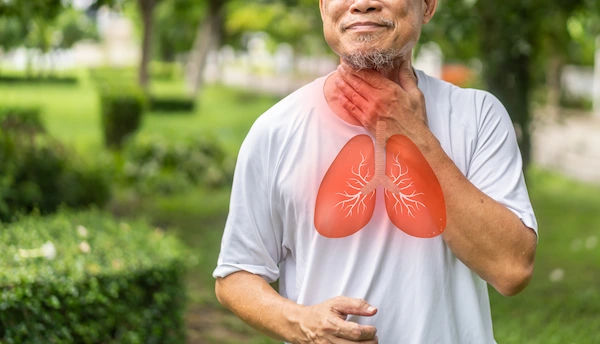
Bronchitis is inflammation of the bronchi—the branching tubes that carry air to your lungs. When these airways swell and produce extra mucus, your body responds with a cough to clear them. The condition includes two main types: acute bronchitis and chronic bronchitis.
How your bronchi work (quick tour of the airways)
Your airways are lined with mucus and tiny hair-like cilia that trap and move out irritants. In bronchitis, inflammation stuns the cilia, mucus builds up, and a persistent cough begins.
Acute vs chronic bronchitis
• Acute bronchitis: A viral “chest cold” lasting 1–3 weeks; antibiotics are rarely needed.
• Chronic bronchitis: A COPD condition with a daily phlegmy cough for ≥3 months/year for 2 years, usually due to smoking or irritants.
Acute bronchitis is a short-term airway “storm”; chronic bronchitis is a long-term “climate” change in the lungs.
Signs and Symptoms of Bronchitis
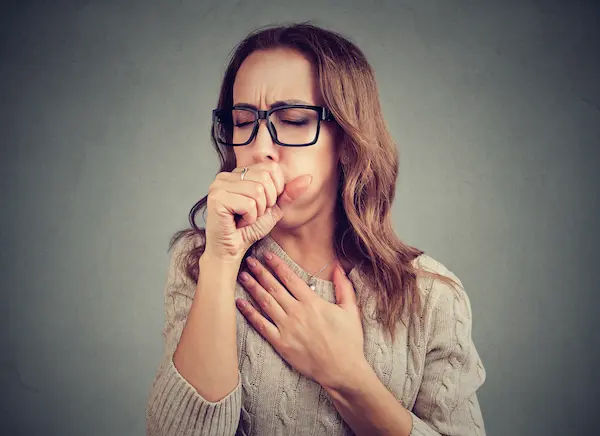
The key symptom is cough. It may start dry, then turn wet as mucus forms. You may also have:
• Wheezing
• Chest tightness
• Fatigue
• Low-grade fever
• Sore throat and runny nose early on (if viral)
Why does the cough change
Airway irritation triggers a dry cough initially. As mucus increases and moves sluggishly, the cough becomes productive.
Mucus colour: what it means
Yellow/green mucus reflects immune activity — not automatically a bacterial infection.
Red flags: get urgent care
• Difficulty breathing or bluish lips
• High fever (>38.5°C) >3 days
• Chest pain independent of coughing
• Coughing up more than streaks of blood
• Symptoms >3 weeks or worsening
• Any breathing difficulty in infants, elderly, or those with heart/lung disease
If breathing worsens, book a physical visit with Apollo 24|7.
What Leads to Signs of Bronchitis? Causes and Triggers
Infections (the most common cause)
Viruses like rhinovirus, influenza, RSV, and coronaviruses frequently trigger acute bronchitis. Bacteria are less common unless symptoms linger, worsen, or involve high fever.
Irritants
• Cigarette smoke (the strongest risk factor)
• Vaping aerosols
• Dust, mould, pollution, chemical fumes
These damage the airway lining and make infections more likely.
Allergies, asthma, and postnasal drip
These conditions keep the airways inflamed and prone to recurrent cough.
Seasonal and weather factors
Cold, dry air thickens mucus; winter viral surges increase bronchitis cases.
Irritated airways — like irritated skin — are more likely to get inflamed when a virus hits.
Risk Factors
Higher susceptibility in:
• Young children and older adults
• Smokers / secondhand smoke exposure/vapers
• Workers exposed to dust or industrial fumes
• People with asthma, COPD, GERD, sinusitis, or weak immunity
In non-smokers, recurrent “bronchitis” often signals hidden asthma or poor indoor air quality.
Bronchitis vs Pneumonia vs COVID-19
Feature Bronchitis Pneumonia COVID-19
Fever Mild or none High, chills Variable
Breathing at rest Usually okay Often harder Can worsen rapidly
Key symptom Cough + mucus Chest pain, fast breathing Systemic symptoms
Confirmation Clinical Usually X-ray Test required
Below-normal oxygen or severe breathlessness → check for pneumonia.
How Doctors Diagnose Bronchitis
Clinical evaluation
History + lung examination are usually enough.
Tests
Only needed if:
• Pneumonia suspected → Chest X-ray
• Airway disease suspected → Spirometry
• Breathlessness → Pulse oximetry
• Unclear cause → limited blood tests
If symptoms persist >2 weeks, consult Apollo 24|7 for evaluation or convenient home collection of recommended tests.
Treatment That Works
Home care
• Rest and hydration
• Clean, humid (40–50%) indoor air
• Warm fluids; honey (if >1 year old)
• Avoid smoke and strong fumes
Medications
• Cough suppressants only if disturbing sleep
• Bronchodilators if wheezing or asthma/COPD
• Short courses of steroids for significant airway inflammation
• Antibiotics only for suspected bacterial pneumonia or high-risk cases
• Fever/pain relief: paracetamol/ibuprofen
Avoid aspirin in children with viral illness.
If cough is at least 70% better by Day 10, recovery is on track.
Special groups
• Kids: avoid OTC cough meds without advice
• Pregnancy: prioritize non-drug treatments
• Older adults: lower threshold for medical review
Chronic Bronchitis and COPD
Why it matters
Persistent inflammation narrows airways and impairs oxygen exchange.
Management
• Quit smoking/vaping — most important
• Flu/COVID/pneumococcal vaccines
• Long-term inhalers as prescribed
• Pulmonary rehabilitation
• Avoid inhaled irritants
A “quit date + clean air plan” can be as important as medication.
Prevention
• Vaccines: flu, pneumococcal, COVID-19
• Regular hand hygiene and coughing etiquette
• Pollution masks during high-risk days
• Smoke-free, well-ventilated homes
• Manage asthma/allergies well
Contact a clinician if:
• Symptoms >3 weeks
• High fever, bloody sputum, or worsening breathlessness
If needed, book a visit or home sample collection with Apollo24|7.
Conclusion
Bronchitis is airway inflammation, causing a persistent cough and mucus. Most cases improve with home care and time — not antibiotics. Recognising red flags, minimising irritant exposure, and using vaccines and good indoor air practices reduce risk and complications. If recovery stalls or you have underlying lung issues, seek timely evaluation via Apollo 24|7.Consult a Top Pulmonologist for Personalised Advice
Consult a Top Pulmonologist for Personalised Advice

Dr. R. Nithiyanandan
Pulmonology/critical Care Specialist
6 Years • MBBS, MD Internal Medicine , DM Pulmonary and critical care medicine
Chennai
Apollo Hospitals Greams Road, Chennai

(75+ Patients)

Dr. Ilangho R P
Pulmonology Respiratory Medicine Specialist
35 Years • MBBS, MD, FRCP, DTRD
Chennai
Apollo Hospitals Greams Road, Chennai

Dr. Shashank Kumar
Pulmonology/critical Care Specialist
10 Years • MBBS, MD (Respiratory Medicine), DM (Pulmonary, Critical Care & Sleep Medicine)
Kolkata
Apollo Hospitals, Narendrapur, Kolkata, Kolkata

Dr. Ravi Charan Avala
Pulmonology Respiratory Medicine Specialist
8 Years • DNB, DTCD
Chinagadila
Apollo Hospitals Health City Unit, Chinagadila
(25+ Patients)

Dr. Sumeet Kumar De
Pulmonology Respiratory Medicine Specialist
10 Years • MBBS, Diploma (Tuberculosis & Chest Disease), MD (Respiratory Medicine), DM (Pulmonary Medicine)
Kolkata
Apollo Hospitals, Narendrapur, Kolkata, Kolkata
Consult a Top Pulmonologist for Personalised Advice
Dr. R. Nithiyanandan
Pulmonology/critical Care Specialist
6 Years • MBBS, MD Internal Medicine , DM Pulmonary and critical care medicine
Chennai
Apollo Hospitals Greams Road, Chennai
(75+ Patients)
Dr. Ilangho R P
Pulmonology Respiratory Medicine Specialist
35 Years • MBBS, MD, FRCP, DTRD
Chennai
Apollo Hospitals Greams Road, Chennai
Dr. Shashank Kumar
Pulmonology/critical Care Specialist
10 Years • MBBS, MD (Respiratory Medicine), DM (Pulmonary, Critical Care & Sleep Medicine)
Kolkata
Apollo Hospitals, Narendrapur, Kolkata, Kolkata
Dr. Ravi Charan Avala
Pulmonology Respiratory Medicine Specialist
8 Years • DNB, DTCD
Chinagadila
Apollo Hospitals Health City Unit, Chinagadila
(25+ Patients)
Dr. Sumeet Kumar De
Pulmonology Respiratory Medicine Specialist
10 Years • MBBS, Diploma (Tuberculosis & Chest Disease), MD (Respiratory Medicine), DM (Pulmonary Medicine)
Kolkata
Apollo Hospitals, Narendrapur, Kolkata, Kolkata
More articles from Bronchitis



Frequently Asked Questions
Q1: Is bronchitis contagious?
Yes — during the first 3–7 days if viral. The lingering cough is usually not.
Q2: How long does the cough last?
Often 1–3 weeks; sometimes 4 weeks due to post-viral sensitivity.
Q3: Do I need antibiotics?
Generally, no; only for suspected bacterial infection or high-risk patients.
Q4: Difference from pneumonia?
Bronchitis = airway inflammation; pneumonia = lung tissue infection with more severe symptoms and oxygen issues.
Q5: How to prevent bronchitis?
Vaccines, smoke-free air, masks during surges/pollution, clean indoor environment.