


Your Guide to Bone Marrow Transplant: Procedure, Risks, and Recovery
Learn everything about bone marrow transplants: the procedure, types, potential risks, recovery process, and how patients can achieve the best outcomes.
Written by Dr. Dhankecha Mayank Dineshbhai
Reviewed by Dr. M L Ezhilarasan MBBS
Last updated on 13th Jan, 2026
Introduction
A bone marrow transplant can sound like a daunting medical procedure, and it is indeed a complex journey. However, for thousands of patients facing life-threatening blood cancers, immune disorders, and other serious conditions, it represents a powerful beacon of hope—a potential cure. This comprehensive guide is designed to demystify the process. We will walk you through what a bone marrow transplant is, why it's necessary, the different types available, and what the entire journey, from evaluation to long-term recovery, truly entails. Whether you are a patient, a caregiver, or simply seeking knowledge, understanding this procedure is the first step toward navigating this challenging but potentially life-saving path. Our goal is to equip you with clear, compassionate information to help you make informed decisions about your health.
What is a Bone Marrow Transplant?
At its core, a bone marrow transplant (BMT), also known as a stem cell transplant, is a medical procedure that replaces damaged or destroyed bone marrow with healthy blood-forming stem cells. Think of it as a "reset" for your body's blood production factory. It's not a surgery in the traditional sense; instead, it's more akin to a blood transfusion. The healthy stem cells, once infused into the bloodstream, find their way to the bone marrow cavities, where they begin to grow and produce new, healthy blood cells.
The Role of Bone Marrow and Stem Cells
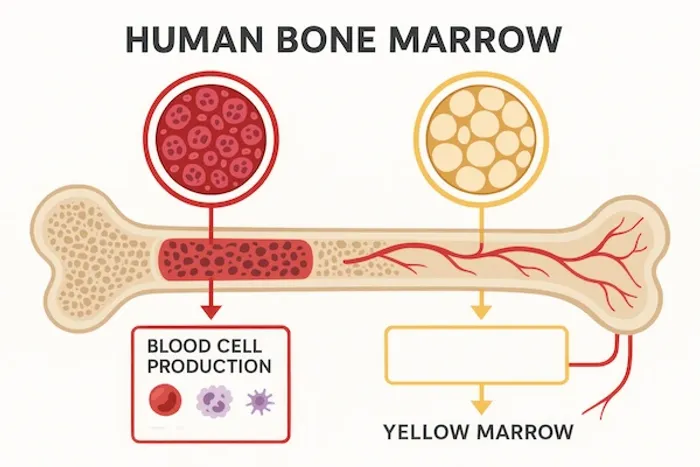
Bone marrow is the soft, spongy tissue found inside your large bones, such as the hip and thigh bones. It’s a vital factory responsible for producing your body's blood cells:
- Red blood cells: Carry oxygen throughout the body.
- White blood cells: Fight infections.
- Platelets: Control bleeding by forming blood clots.
Haematopoietic stem cells are the immature "master cells" within the marrow that develop into these three types of blood cells. When bone marrow is damaged by disease, intense chemotherapy, or radiation, it can no longer produce these essential cells. A bone marrow transplant infuses healthy stem cells to restart this critical production process.
Consult a Haematologist or an Oncologist for the best advice
## Why is a Bone Marrow Transplant Needed?
A bone marrow transplant is typically considered when other treatments have failed or when a condition is so severe that it requires a complete reboot of the blood and immune system. It is most commonly used to treat cancers that affect the bone marrow and blood.
Treating Blood Cancers
This is the most common reason for a BMT. Cancers like leukaemia, lymphoma, and multiple myeloma originate in or spread to the bone marrow, crowding out healthy blood-forming cells. A transplant aims to destroy these cancerous cells and allow healthy ones to repopulate the marrow.
Addressing Non-Cancerous Blood Disorders
Several serious non-cancerous conditions also necessitate a transplant. These include:
Aplastic Anaemia: A condition where the bone marrow stops producing enough new blood cells.
Sickle Cell Anaemia: An inherited disorder causing misshapen red blood cells.
Thalassaemia: An inherited blood disorder causing the body to make an abnormal form of haemoglobin.
Other Conditions Treated by BMT
Transplants can also treat certain immune deficiency disorders and genetic metabolic disorders by replacing the faulty immune system with a healthy one from a donor.
Types of Bone Marrow Transplants
The type of transplant a patient undergoes depends on the source of the healthy stem cells. The two primary types are autologous and allogeneic.
Autologous Transplant (Using Your Own Cells)
In an autologous bone marrow transplant process, the patient serves as their own donor. Stem cells are collected from the patient's blood or bone marrow before they undergo high-dose chemotherapy or radiation. The cells are frozen and stored, then reinfused after the intense treatment to "rescue" the bone marrow.
- Advantage: Zero risk of graft-versus-host disease (GVHD), as the cells are your own.
- Disadvantage: Not suitable if the disease has affected the bone marrow itself, as the collected cells could contain cancerous cells.
Allogeneic Transplant (Using a Donor's Cells)
An allogeneic transplant uses stem cells from a genetically matched donor, who could be a relative or an unrelated volunteer from a registry like Be The Match. This is the most common type of transplant for leukaemia.
- Advantage: Offers a potent "graft-versus-tumour" effect, where the donor's new immune cells can attack any remaining cancer cells.
- Disadvantage: High risk of complications, primarily graft-versus-host disease (GVHD), where the donor's immune cells attack the patient's body.
Related Donor Transplant
This is the preferred option when a sibling (especially a brother or sister) is a perfect HLA (human leukocyte antigen) match.
Unrelated Donor Transplant
When a family match isn't available, doctors search international registries for an unrelated donor with a close HLA match.
Syngeneic Transplant (The Rare Ideal)
This is a type of allogeneic transplant that occurs between identical twins. It is the ideal scenario because the genetic match is perfect, eliminating the risk of GVHD while providing healthy stem cells.
The Bone Marrow Transplant Process: A Step-by-Step Journey
Understanding the bone marrow transplant process can help alleviate anxiety. It's a long journey, often spanning several months, and involves distinct phases.
Phase 1: Comprehensive Evaluation and Testing
Before a transplant is approved, a multidisciplinary team conducts rigorous tests to ensure the patient is physically and psychologically prepared. This includes heart, lung, and kidney function tests, along with extensive infectious disease screening.
Phase 2: The Harvesting of Stem Cells
This is the stem cell harvesting phase. For an autologous transplant, the patient receives injections of growth factors to push stem cells from the bone marrow into the bloodstream. The cells are then collected through a painless procedure called apheresis. For an allogeneic transplant, the donor undergoes this process. In rare cases, bone marrow is harvested directly from the hip bone under anaesthesia.
Phase 3: Conditioning Therapy (The Preparative Regimen)
The patient undergoes high-dose chemotherapy and/or radiation therapy. This serves two purposes: to destroy any remaining cancer cells and to suppress the patient's immune system to prevent it from rejecting the new donor stem cells.
Phase 4: Transplant Day (The New Beginning)
Transplant day is surprisingly simple. The frozen stem cells are thawed and infused into the patient's bloodstream through an IV line, much like a blood transfusion. This is a milestone event, but the real work begins afterwards.
Phase 5: Engraftment and Recovery
The most critical period follows the transplant. Patients are closely monitored for infections and complications as they wait for engraftment—the point when the new stem cells find their way to the bone marrow and begin producing healthy white blood cells, red blood cells, and platelets. This can take 2 to 4 weeks, during which the patient is extremely vulnerable.
Potential Risks and Complications of a BMT
A bone marrow transplant is a high-risk procedure. Understanding the potential risks of bone marrow transplant is crucial for informed consent.
Short-Term Side Effects
These are primarily due to the conditioning therapy and the period of low blood counts before engraftment. They include severe infections, bleeding, nausea, vomiting, mouth sores, and fatigue. Management involves antibiotics, blood transfusions, and strong supportive care.
Long-Term Complications (Graft-versus-Host Disease)
Graft-versus-host disease (GVHD) is a primary concern in allogeneic transplants. It occurs when the donor's immune cells recognise the patient's body as foreign and attack it. It can affect the skin, liver, and gastrointestinal tract. GVHD symptoms can range from a mild rash to a severe, life-threatening condition. While risky, a mild form of GVHD can be beneficial due to the graft-versus-tumour effect. Managing GVHD requires long-term immunosuppressive medications.
Other long-term risks include organ damage, infertility, and the development of new cancers later in life.
Life After a Bone Marrow Transplant
The journey doesn't end when you leave the hospital. Life after a stem cell transplant involves a prolonged recovery timeline after BMT and significant lifestyle adjustments.
The Recovery Timeline
The first 100 days post-transplant are critical. Patients need to be extremely cautious about infections, often requiring isolation. Full immune recovery can take a year or longer. Regular follow-ups with the transplant team are essential to monitor progress and manage any late effects.
Long-Term Health Monitoring
Survivors need lifelong health surveillance. This includes monitoring for late-onset GVHD, screenings for secondary cancers, and management of long-term side effects from conditioning therapy, such as cataracts or thyroid problems. Maintaining a healthy lifestyle with a balanced diet and appropriate exercise is vital.
Success Rates and Factors That Influence Them
Bone marrow transplant success rates are not a single number; they vary widely based on several factors:
- The Disease: The type and stage of the disease being treated.
- The Patient's Age and Overall Health: Younger, healthier patients generally have better outcomes.
- The Donor Match: A closer HLA match, especially from a related donor, leads to higher success and lower complication rates.
- The Transplant Centre's Experience: High-volume centres typically have better outcomes.
For some cancers, like certain types of leukaemia, a transplant can increase the 5-year survival rate to 60-70% or higher. It's essential to discuss personalised prognosis with your medical team. If you are considering this path, consulting a specialist doctor online with Apollo24|7 can provide initial guidance on your specific situation and the factors that would influence your outcome.
Conclusion
A bone marrow transplant is undeniably one of the most challenging medical journeys a person can face. It demands immense physical and emotional resilience from the patient and their support network. However, it also stands as a testament to the incredible advances in modern medicine, offering a chance for a cure where none may have existed before. By understanding the procedure, the risks, and the commitment to recovery, patients and families can approach this path with clarity and hope. It is a journey toward a new beginning—a profound reset that grants a second chance at life. If you or a loved one is considering this option, arm yourself with knowledge, build a strong support system, and maintain open communication with your healthcare team every step of the way. For any persistent symptoms or for a detailed evaluation of your blood reports, you can consult a haematologist online with Apollo24|7 or book a physical appointment for a comprehensive discussion.
Consult a Haematologist or an Oncologist for the best advice
Consult a Haematologist or an Oncologist for the best advice

Dr.sanchayan Mandal
Medical Oncologist
17 Years • MBBS, DrNB( MEDICAL ONCOLOGY), DNB (RADIOTHERAPY),ECMO. PDCR. ASCO
Kolkata
Dr. Sanchayan Mandal Oncology Clinic, Kolkata

Dr. Sanchayan Mandal
Medical Oncologist
17 Years • MBBS, DrNB( MEDICAL ONCOLOGY), DNB (RADIOTHERAPY),ECMO. PDCR. ASCO
Kolkata
MCR SUPER SPECIALITY POLY CLINIC & PATHOLOGY, Kolkata

Dr Minakshi Bansal
Paediatric Haematologist
8 Years • MBBS, MD PEDIATRICS, FIAP (PHO)
Delhi
Apollo Hospitals Indraprastha, Delhi

(25+ Patients)

Dr. Shishir Seth
Haemato Oncologist
20 Years • MBBS, MD, DM (Clinical Hematology)
Delhi
Apollo Hospitals Indraprastha, Delhi
(100+ Patients)

Dr. Jeyasankar S
Medical Oncologist
10 Years • MBBS., MD, DRNB (Medical Oncology)
Chennai
Apollo Speciality Hospitals Vanagaram, Chennai
Consult a Haematologist or an Oncologist for the best advice
Dr.sanchayan Mandal
Medical Oncologist
17 Years • MBBS, DrNB( MEDICAL ONCOLOGY), DNB (RADIOTHERAPY),ECMO. PDCR. ASCO
Kolkata
Dr. Sanchayan Mandal Oncology Clinic, Kolkata
Dr. Sanchayan Mandal
Medical Oncologist
17 Years • MBBS, DrNB( MEDICAL ONCOLOGY), DNB (RADIOTHERAPY),ECMO. PDCR. ASCO
Kolkata
MCR SUPER SPECIALITY POLY CLINIC & PATHOLOGY, Kolkata
Dr Minakshi Bansal
Paediatric Haematologist
8 Years • MBBS, MD PEDIATRICS, FIAP (PHO)
Delhi
Apollo Hospitals Indraprastha, Delhi
(25+ Patients)
Dr. Shishir Seth
Haemato Oncologist
20 Years • MBBS, MD, DM (Clinical Hematology)
Delhi
Apollo Hospitals Indraprastha, Delhi
(100+ Patients)
Dr. Jeyasankar S
Medical Oncologist
10 Years • MBBS., MD, DRNB (Medical Oncology)
Chennai
Apollo Speciality Hospitals Vanagaram, Chennai
More articles from Cancer


Frequently Asked Questions
Is a bone marrow transplant painful?
The transplant infusion itself is not painful. The primary discomfort comes from the side effects of the high-dose conditioning chemotherapy/radiation, such as mouth sores and nausea, and from the procedures like the insertion of the central IV line. Pain is actively managed by the medical team.
What is the cost of a bone marrow transplant in India?
The cost of a bone marrow transplant in India can vary significantly based on the type of transplant (autologous is generally less expensive than allogeneic), the hospital, the complexity of the case, and the length of the hospital stay. It can range from ₹15-40 lakhs or more. It's important to discuss financial aspects with the hospital's administration.
How long does it take to find a matching bone marrow donor?
The time to find an unrelated donor can vary from a few weeks to several months, depending on the patient's unique HLA type and the diversity of the donor registry. Searching international databases increases the chances, but it can take time.
What are the chances of a family member being a perfect match?
A sibling (brother or sister) has a 25% (1 in 4) chance of being a perfect HLA match. Parents and children are rarely perfect matches, but may be partial matches suitable for some newer transplant techniques.
Can you live a normal life after a successful bone marrow transplant?
Many people do return to a normal, healthy life after full recovery, which can take a year or more. However, 'normal' may be redefined. Some survivors manage chronic conditions like GVHD, and all require lifelong health monitoring. Most can eventually return to work and their daily activities.