Best Contact Lenses After Cataract Surgery
Discover the best contact lenses after cataract surgery to enhance your vision and comfort. Learn which lens types are ideal for post-surgery eyes and how to choose the right fit for your lifestyle.

Written by Dr. Md Yusuf Shareef
Reviewed by Dr. D Bhanu Prakash MBBS, AFIH, Advanced certificate in critical care medicine, Fellowship in critical care medicine
Last updated on 3rd Mar, 2026
Introduction
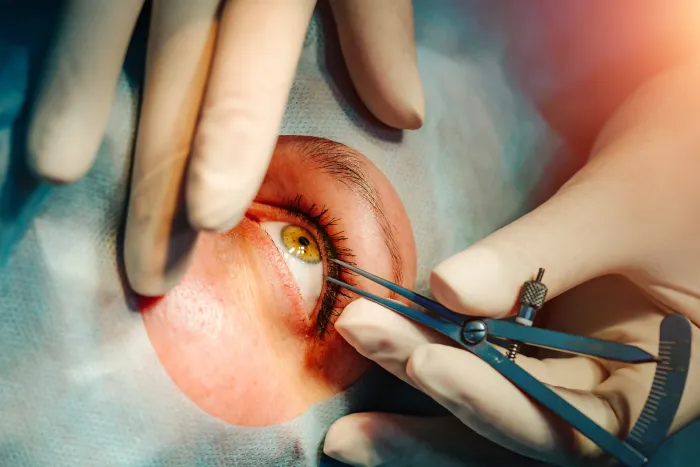
If you've recently undergone cataract surgery, you might be wondering about the best ways to improve your vision. While intraocular lenses (IOLs) are commonly implanted during the procedure, some patients still need additional vision correction. Contact lenses can be a great option, but choosing the right type is essential for comfort and clarity. In this article, we’ll discuss the best contact lenses for post-cataract surgery patients, their benefits, and how to care for them.
Why Might You Need Contact Lenses After Cataract Surgery?
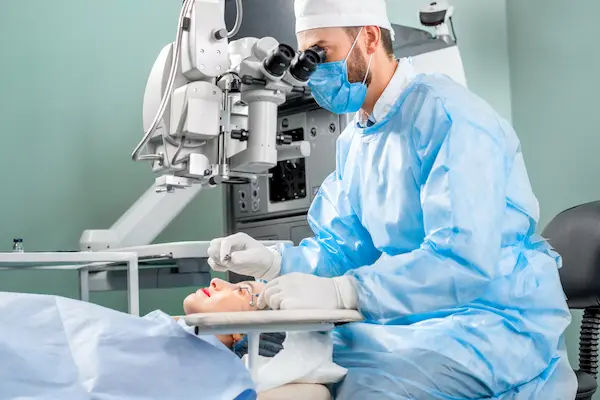
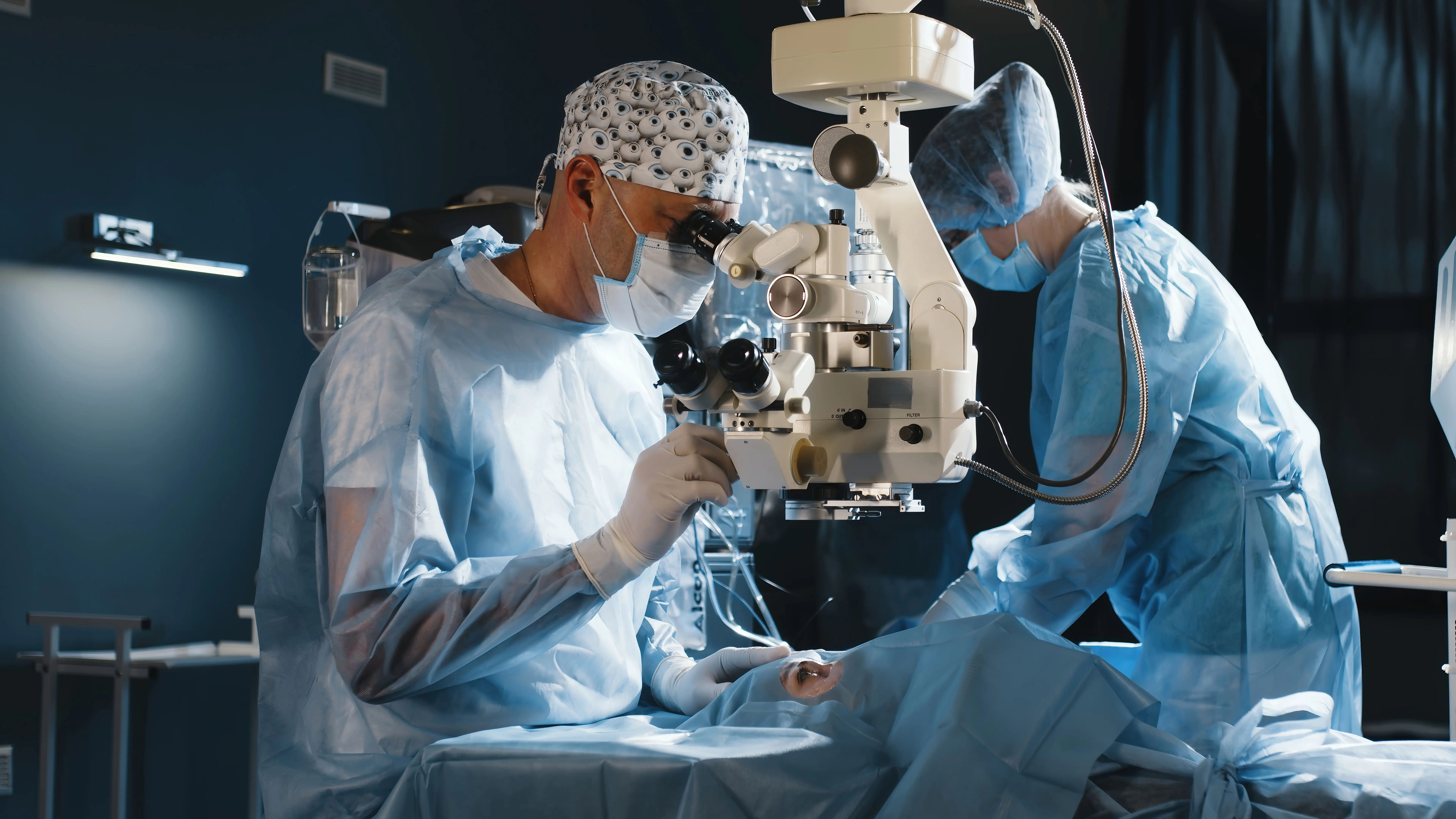
Cataract surgery involves removing the cloudy natural lens and replacing it with an artificial intraocular lens (IOL). While IOLs significantly improve vision, some patients may still experience:
Residual refractive errors (nearsightedness, farsightedness, or astigmatism).
Irregular corneal shape affecting vision.
Monovision needs (one eye corrected for distance, the other for near vision).
In such cases, contact lenses can help fine-tune vision for better clarity and comfort.
Best Types of Contact Lenses After Cataract Surgery
Best types of contact lenses after the surgery are:
1. Soft Contact Lenses
Best for: Mild to moderate refractive errors.
Pros: Comfortable, easy to adapt to, and available in daily, weekly, or monthly disposables.
Cons: May not correct severe astigmatism or irregular corneas effectively.
2. Toric Contact Lenses (for Astigmatism)
Best for: Patients with astigmatism (irregularly shaped cornea).
Pros: Designed to correct astigmatism, providing sharper vision.
Cons: Slightly more expensive than regular soft lenses.
3. Rigid Gas Permeable (RGP) Lenses
Best for: Patients with irregular corneas or high astigmatism.
Pros: Provide crisp vision, durable, and allow oxygen to reach the eyes.
Cons: Take time to get used to, may feel uncomfortable initially.
4. Scleral Contact Lenses
Best for: Severe corneal irregularities or dry eyes.
Pros: Large-diameter lenses that vault over the cornea, providing comfort and stability.
Cons: More expensive and require professional fitting.
5. Multifocal Contact Lenses
Best for: Patients who need both distance and near vision correction.
Pros: Eliminate the need for reading glasses.
Cons: Some patients may experience halos or glare initially.
Consult Top Specialists for Personalised Tips
How to Choose the Right Contact Lenses?
Selecting the best contact lenses depends on:
Your eye condition (astigmatism, dryness, or irregular cornea).
Lifestyle needs (active lifestyle, computer work, or frequent travel).
Comfort preferences (soft vs. rigid lenses).
Consult an eye specialist to determine the best option for your specific needs.
Tips for Wearing Contact Lenses After Cataract Surgery
Some of the tips for wearing contact lenses after cataract surgery are:
1. Follow Your Doctor’s Advice: Use only the recommended type and brand.
2. Maintain Hygiene: Always wash hands before handling lenses.
3. Use Preservative-Free Solutions: To avoid irritation, especially if you have dry eyes.
4. Avoid Overwear: Stick to the recommended wearing schedule.
5. Regular Eye Check-ups: Ensure your lenses fit well and your eyes stay healthy.
When to Avoid Contact Lenses?
Contact lenses may not be suitable if you have:
Severe dry eye syndrome.
Active eye infections.
Corneal complications post-surgery.
In such cases, glasses or further surgical correction may be better options.
Conclusion
Choosing the right contact lenses after cataract surgery can significantly enhance your vision and comfort. Whether you need soft lenses for mild correction or specialised scleral lenses for irregular corneas, an eye specialist can help you find the best fit. Remember, proper lens care and regular eye check-ups are key to maintaining healthy vision. If you have any concerns, don’t hesitate to seek professional advice.
Consult Top Specialists for Personalised Tips

Dr. Padmini S
Ophthalmologist
4 Years • MBBS,MS
Bengaluru
Apollo Medical Center, Marathahalli, Bengaluru

Dr Deepti Govila
Ophthalmologist
26 Years • MBBS, MS Ophthalmology
Delhi
Apollo Hospitals Indraprastha, Delhi

Dr. K Sreekumar Reddy
Ophthalmologist
26 Years • MBBS MD (Ophthalmology) EGESTOLP
Hyderabad
Apollo Hospitals Jubilee Hills, Hyderabad

(50+ Patients)

Dr. Aniel Malhotra
Ophthalmologist
30 Years • MBBS, MS, DOMS
Delhi
Apollo Hospitals Indraprastha, Delhi

Dr. Viraja Kola
Ophthalmologist
10 Years • MBBS, DOMS, DNB, FNOH, FMR
Hyderguda
Apollo Hospitals Hyderguda, Hyderguda
Consult Top Eye Surgeon
Dr. Padmini S
Ophthalmologist
4 Years • MBBS,MS
Bengaluru
Apollo Medical Center, Marathahalli, Bengaluru
Dr Deepti Govila
Ophthalmologist
26 Years • MBBS, MS Ophthalmology
Delhi
Apollo Hospitals Indraprastha, Delhi
Dr. K Sreekumar Reddy
Ophthalmologist
26 Years • MBBS MD (Ophthalmology) EGESTOLP
Hyderabad
Apollo Hospitals Jubilee Hills, Hyderabad
(50+ Patients)
Dr. Aniel Malhotra
Ophthalmologist
30 Years • MBBS, MS, DOMS
Delhi
Apollo Hospitals Indraprastha, Delhi
Dr. Viraja Kola
Ophthalmologist
10 Years • MBBS, DOMS, DNB, FNOH, FMR
Hyderguda
Apollo Hospitals Hyderguda, Hyderguda