Can Lens Be Changed After Cataract Surgery?
Wondering if lenses can be changed after cataract surgery? Explore when and why an intraocular lens (IOL) might be replaced, the procedure involved, and what to expect during recovery.


Introduction
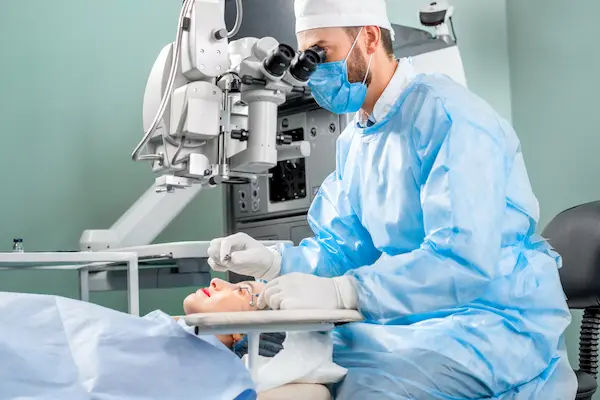
If you or a loved one has undergone cataract surgery, you might wonder whether the artificial lens (intraocular lens or IOL) implanted during the procedure can be replaced later. The short answer is yes, but it’s not always necessary or recommended unless there’s a specific reason. Let’s explore this topic in detail to help you understand when and why a lens might need to be changed after cataract surgery.
Understanding Cataract Surgery and Intraocular Lenses (IOLs)
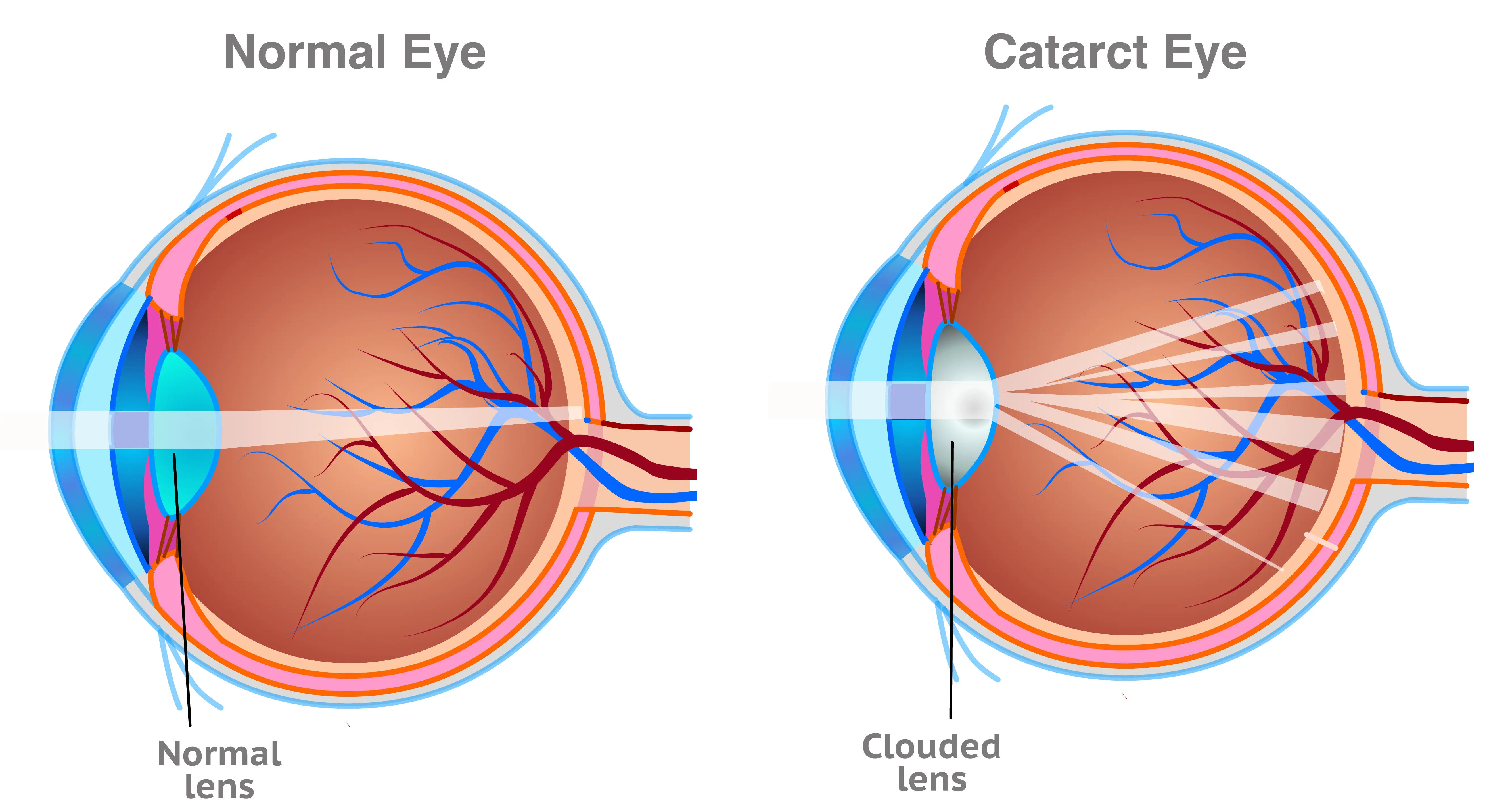
Cataract surgery involves removing the eye’s cloudy natural lens and replacing it with an artificial intraocular lens (IOL). This IOL helps restore clear vision. There are different types of IOLs available, including:
Monofocal IOLs: Provide clear vision at one distance (usually far vision, requiring glasses for near tasks).
Multifocal IOLs: Allow clear vision at multiple distances, reducing dependence on glasses.
Toric IOLs: Correct astigmatism along with cataracts.
Once implanted, the IOL is designed to stay in place permanently. However, in some cases, a replacement may be considered.
When Might a Lens Need to Be Replaced?
While rare, there are situations where an IOL may need to be exchanged or adjusted:
1. Dissatisfaction with Vision
Some patients may not adapt well to multifocal or toric lenses, experiencing glare, halos, or blurry vision.
If vision isn’t as clear as expected, a doctor may recommend switching to a different IOL.
2. IOL Dislocation or Misalignment
In rare cases, the IOL can shift out of position, causing blurred or double vision.
Surgery may be needed to reposition or replace the lens.
3. Post-Surgical Complications
Issues like inflammation, infection, or incorrect lens power may require a replacement.
4. Development of Posterior Capsule Opacification (PCO)
Sometimes, the membrane behind the IOL becomes cloudy, causing vision to blur again (often called a "secondary cataract").
This is treated with a quick laser procedure (YAG capsulotomy) and does not require replacing the IOL.
Consult Top Specialists for Personalised Tips
Is Lens Replacement Surgery Risky?
Replacing an IOL is more complex than the initial cataract surgery and carries additional risks, such as:
Increased inflammation or swelling.
Higher chance of retinal detachment or infection.
Longer recovery time.
Due to these risks, doctors usually explore non-surgical options first, like glasses, contact lenses, or laser treatments.
Tips for Managing Vision After Cataract Surgery
If you’re unhappy with your vision post-surgery, consider these steps before opting for lens replacement:
Give It Time: Your eyes may take weeks or months to adjust fully.
Use Corrective Eyewear: Glasses can fine-tune your vision if needed.
Discuss Alternatives: A YAG laser procedure may help if PCO is the issue.
Consult Your Doctor: If discomfort persists, seek professional advice.
When to See a Doctor?
If you experience:
Sudden vision loss.
Severe pain or redness.
Flashes of light or floaters.
Seek immediate medical attention, as these could indicate serious complications.
Conclusion
While replacing an IOL after cataract surgery is possible, it’s usually reserved for specific medical reasons. Most patients enjoy improved vision without needing further intervention. If you have concerns about your IOL, consult an eye specialist to explore the best options for your situation.
Consult Top Eye Surgeon
Consult Top Specialists for Personalised Tips

Dr. Padmini S
Ophthalmologist
4 Years • MBBS,MS
Bengaluru
Apollo Medical Center, Marathahalli, Bengaluru

Dr. K Sreekumar Reddy
Ophthalmologist
26 Years • MBBS MD (Ophthalmology) EGESTOLP
Hyderabad
Apollo Hospitals Jubilee Hills, Hyderabad

(50+ Patients)
Dr Apurva Thombre
Ophthalmologist
10 Years • MBBS MS DNB Opthalmology
Pune
Apollo Clinic, Nigdi, Pune

Dr Kanse Vaibhav
Ophthalmologist
10 Years • MBBS, DO, MS, DNB
Pune
Apollo Clinic, Nigdi, Pune

Dr. Sridhar Annam
Ophthalmologist
15 Years • MBBS, DO, MS (Opthal)
Hyderabad
Apollo Hospitals Jubilee Hills, Hyderabad
(50+ Patients)
Consult Top Eye Surgeon
Dr. Padmini S
Ophthalmologist
4 Years • MBBS,MS
Bengaluru
Apollo Medical Center, Marathahalli, Bengaluru
Dr. K Sreekumar Reddy
Ophthalmologist
26 Years • MBBS MD (Ophthalmology) EGESTOLP
Hyderabad
Apollo Hospitals Jubilee Hills, Hyderabad
(50+ Patients)
Dr Apurva Thombre
Ophthalmologist
10 Years • MBBS MS DNB Opthalmology
Pune
Apollo Clinic, Nigdi, Pune
Dr Kanse Vaibhav
Ophthalmologist
10 Years • MBBS, DO, MS, DNB
Pune
Apollo Clinic, Nigdi, Pune
Dr. Sridhar Annam
Ophthalmologist
15 Years • MBBS, DO, MS (Opthal)
Hyderabad
Apollo Hospitals Jubilee Hills, Hyderabad
(50+ Patients)