Cataract Surgery Advanced Lenses
Explore how advanced lenses used in cataract surgery—like multifocal, toric, and EDOF IOLs—can enhance vision and reduce the need for glasses. Learn what to expect before and after surgery.

Introduction
If you or a loved one has been diagnosed with cataracts, you may be considering cataract surgery. The good news is that modern advancements in eye care have made this procedure safer and more effective than ever. One such advancement is the use of advanced intraocular lenses (IOLs), which can significantly improve vision after surgery.
This article will help you understand cataract surgery, the benefits of advanced lenses, and what to expect before, during, and after the procedure.
What Are Cataracts?
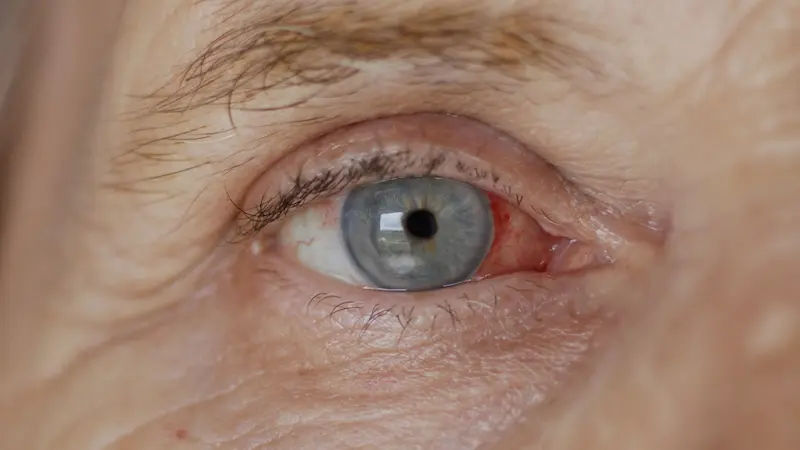
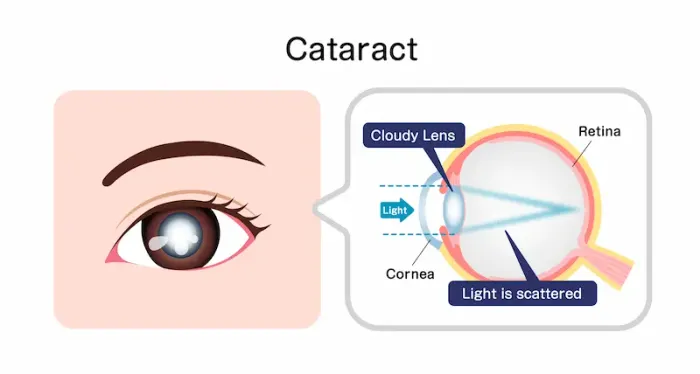
Cataracts occur when the natural lens of the eye becomes cloudy, leading to blurry vision, difficulty seeing at night, and faded colours. This condition is common with ageing but can also result from eye injuries, diabetes, or prolonged exposure to sunlight.
Recognising the signs early can help you seek timely treatment. Here are some typical symptoms to watch for:
Blurry or foggy vision
Increased sensitivity to light and glare
Difficulty seeing at night
Colours appearing dull or yellowish
Frequent changes in eyeglass prescription
If left untreated, cataracts can worsen over time, making daily activities like reading, driving, or recognising faces challenging.
What Is Cataract Surgery?
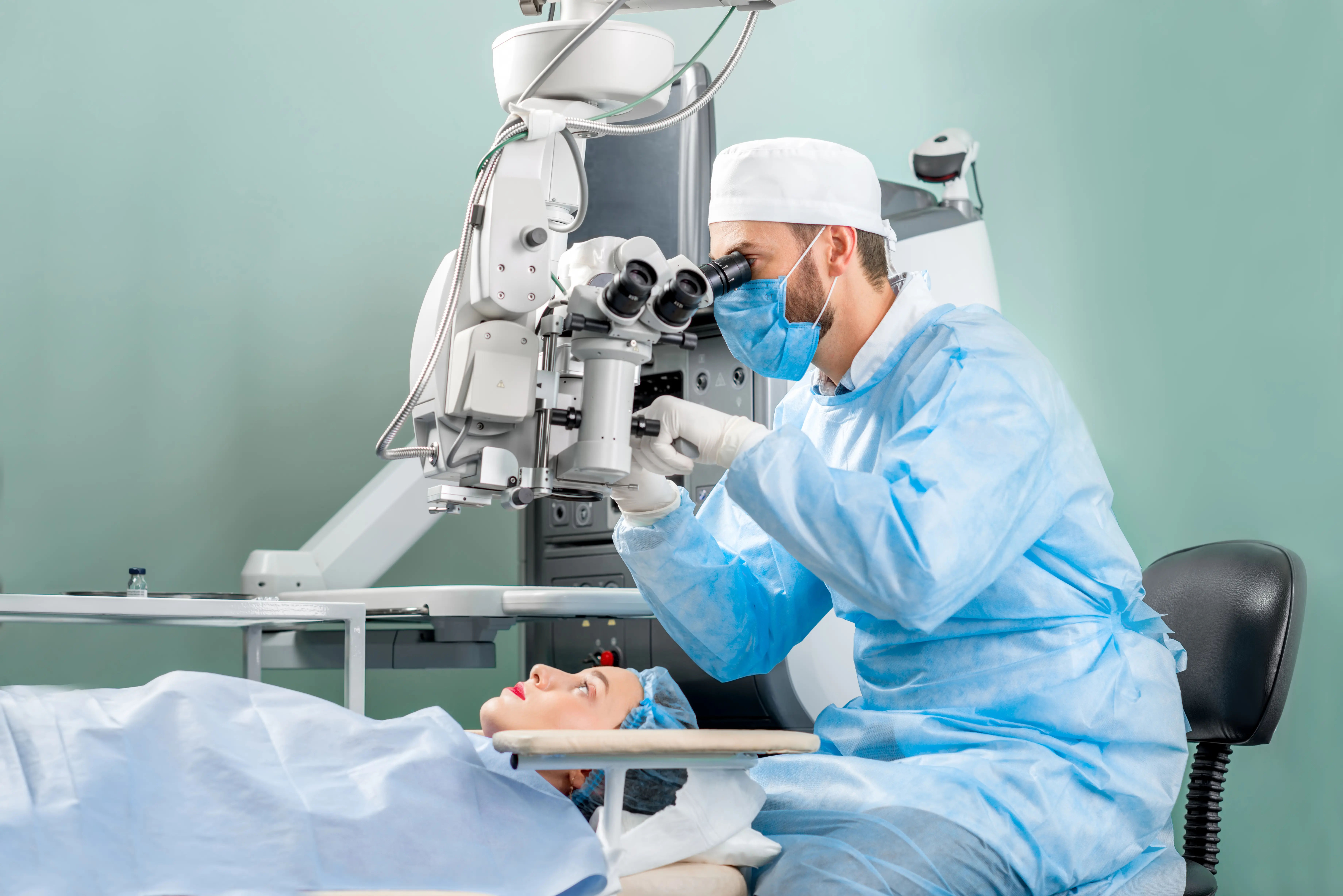
Cataract surgery is a safe and common procedure where the cloudy natural lens is removed and replaced with an artificial lens called an intraocular lens (IOL). The surgery is usually quick (15-30 minutes per eye) and performed under local anaesthesia.
Traditional vs. Advanced Lenses
When it comes to choosing an IOL, patients can opt for standard or advanced lenses, depending on their needs and lifestyle.
Standard Monofocal IOLs: These lenses correct vision for one distance (usually far vision), meaning patients may still need glasses for reading or close-up work.
Advanced IOLs: These lenses offer enhanced vision correction, reducing dependence on glasses. They include:
1. Multifocal IOLs – Provide clear vision at multiple distances (near, intermediate, and far).
2. Toric IOLs – Correct astigmatism (irregularly shaped cornea).
3. Extended Depth of Focus (EDOF) IOLs – Offer a continuous range of vision with fewer visual disturbances.
Consult Top Specialists for Personalised Health Advice
Benefits of Advanced Lenses
Advanced lenses offer several advantages that can improve daily life and overall vision quality.
1. Reduced Dependence on Glasses – Many patients experience clear vision for most activities without glasses.
2. Improved Night Vision – Some advanced lenses reduce glare and halos, making night driving easier.
3. Correction of Astigmatism – Toric lenses help those with astigmatism see more clearly.
4. Enhanced Quality of Life – Better vision means greater independence and confidence in daily tasks.
Who Is a Good Candidate for Advanced Lenses?
Not everyone is suitable for advanced IOLs. Your eye doctor will consider factors like:
Overall eye health
Presence of other eye conditions like glaucoma or macular degeneration
Lifestyle needs such as reading, driving or computer work
Willingness to adapt to new visual sensations as some patients may take time to adjust
A thorough eye exam will help determine the best lens option for you.
What to Expect Before, During, and After Surgery
Knowing what happens at each stage of cataract surgery helps you prepare well and recover comfortably.
1. Before Surgery:
A detailed eye examination will be conducted.
Your doctor will discuss lens options based on your vision needs.
You may need to stop certain medications before surgery.
2. During Surgery:
The procedure is painless, with numbing eye drops used.
The cloudy lens is gently broken up and removed.
The new artificial lens is placed in the eye.
3. After Surgery:
You may experience mild discomfort or blurry vision for a day or two.
Avoid rubbing your eyes, heavy lifting, or swimming for a few weeks.
Use prescribed eye drops to prevent infection and aid healing.
Most patients notice improved vision within a few days.
Tips for a Smooth Recovery
A few simple steps can help protect your eyes and speed up healing.
1. Follow Post-Op Instructions – Use medications as directed.
2. Wear Sunglasses – Protect your eyes from bright light.
3. Avoid Strenuous Activities – Give your eyes time to heal.
4. Attend Follow-Up Appointments – Ensure proper healing.
When to Consult a Doctor
If you experience:
Severe pain
Sudden vision loss
Increased redness or swelling
Flashes of light or floaters
Seek medical attention immediately, as these could indicate complications.
Final Thoughts
Cataract surgery with advanced lenses can be life-changing, restoring clear vision and reducing dependence on glasses. If you or someone you know is struggling with cataracts, consult an eye specialist to explore the best options.
Book a consultation with an Apollo24|7 ophthalmologist today to discuss cataract surgery and advanced lens options tailored to your needs.
Consult Top Eye Specialists
Consult Top Specialists for Personalised Health Advice

Dr Aishwarya M Angadi
Ophthalmologist
5 Years • MBBS, MS
Pune
Apollo Clinic, Nigdi, Pune

Dr Kanse Vaibhav
Ophthalmologist
10 Years • MBBS, DO, MS, DNB
Pune
Apollo Clinic, Nigdi, Pune

Dr. Sridhar Annam
Ophthalmologist
15 Years • MBBS, DO, MS (Opthal)
Hyderabad
Apollo Hospitals Jubilee Hills, Hyderabad

(50+ Patients)

Dr Apurva Thombre
Ophthalmologist
10 Years • MBBS MS DNB Opthalmology
Pune
Apollo Clinic, Nigdi, Pune

Dr. Ashu Agarwal
Ophthalmologist
24 Years • MBBS, MS
Delhi
Apollo Hospitals Indraprastha, Delhi
Consult Top Eye Specialists
Dr Aishwarya M Angadi
Ophthalmologist
5 Years • MBBS, MS
Pune
Apollo Clinic, Nigdi, Pune
Dr Kanse Vaibhav
Ophthalmologist
10 Years • MBBS, DO, MS, DNB
Pune
Apollo Clinic, Nigdi, Pune
Dr. Sridhar Annam
Ophthalmologist
15 Years • MBBS, DO, MS (Opthal)
Hyderabad
Apollo Hospitals Jubilee Hills, Hyderabad
(50+ Patients)
Dr Apurva Thombre
Ophthalmologist
10 Years • MBBS MS DNB Opthalmology
Pune
Apollo Clinic, Nigdi, Pune
Dr. Ashu Agarwal
Ophthalmologist
24 Years • MBBS, MS
Delhi
Apollo Hospitals Indraprastha, Delhi