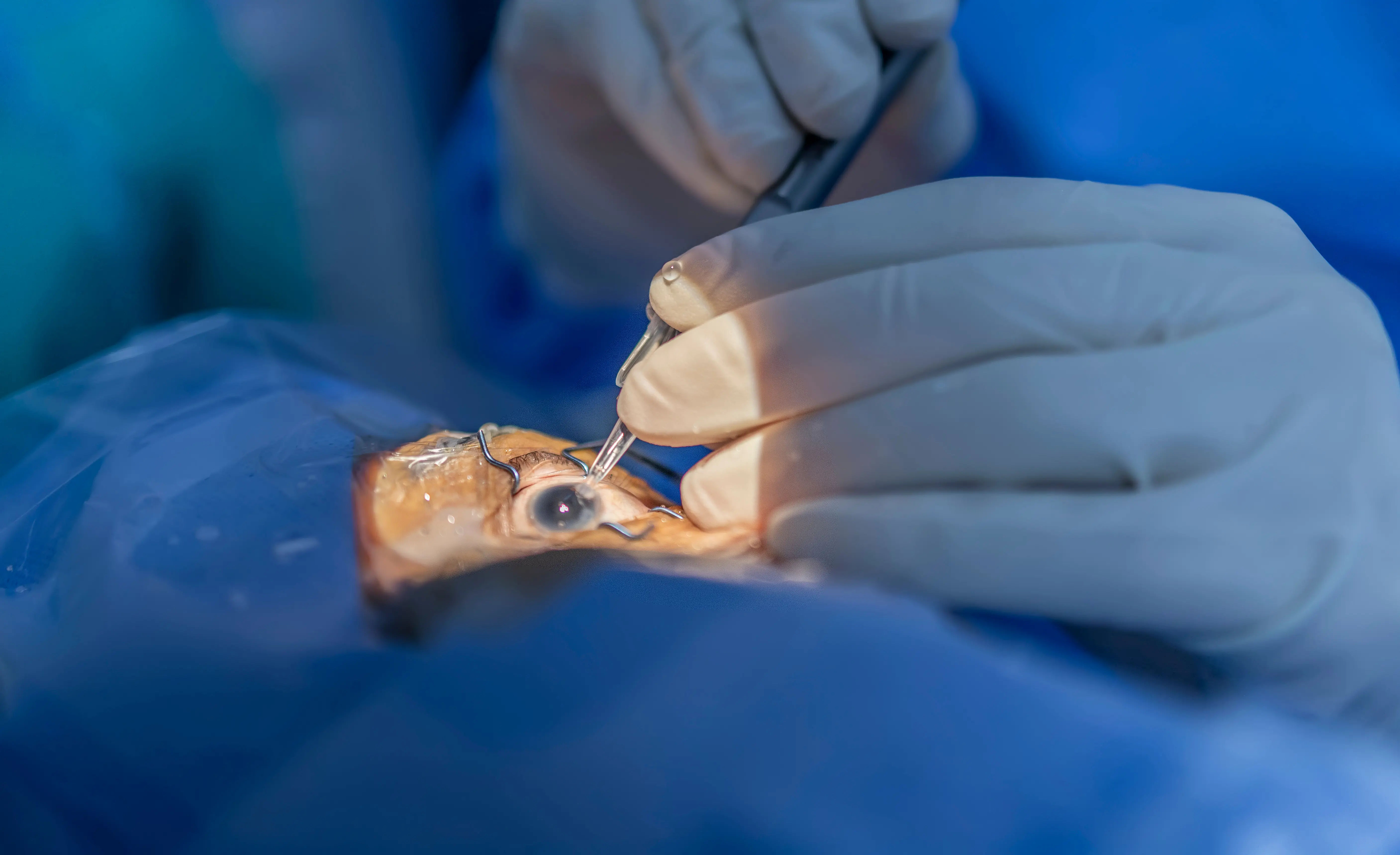
Cataract Treatment Surgery
Learn about cataract treatment and surgery, symptoms, causes, and recovery tips. Discover how cataract surgery can restore clear vision and improve quality of life.

Written by Dr. Rohinipriyanka Pondugula
Reviewed by Dr. Md Yusuf Shareef MBBS, Advanced Certificate Course in Dermatology
Last updated on 13th Jan, 2026
Introduction
If you or a loved one has been diagnosed with cataracts, you may have questions about what they are, how they affect vision, and what treatment options are available. Cataract surgery is a common and highly effective procedure that can restore clear vision. This article will explain everything you need to know in simple, easy-to-understand terms.
What Are Cataracts?
Cataracts occur when the natural lens of the eye becomes cloudy, leading to blurry or dim vision. The lens, located behind the coloured part of the eye (the iris), helps focus light onto the retina, allowing us to see clearly. Over time, proteins in the lens can clump together, forming a cataract that blocks light and distorts vision.
Common Symptoms of Cataracts
If you experience these symptoms, it’s important to consult an eye specialist for a proper diagnosis.
Blurry or foggy vision
Difficulty seeing at night
Sensitivity to bright lights and glare
Colours appearing faded or yellowish
Frequent changes in eyeglass prescriptions
Double vision in one eye
What Causes Cataracts?
While ageing is the most common cause, other factors can contribute:
Age: Most cataracts develop after age 60.
Diabetes: High blood sugar can accelerate cataract formation.
Eye injuries or surgeries: Trauma can lead to cataracts.
Prolonged UV exposure: Sunlight without proper eye protection may increase risk.
Smoking and excessive alcohol use: These habits can worsen eye health.
Certain medications: Long-term use of steroids may contribute.
Consult Top Specialists for Your Symptoms
When Is Cataract Surgery Needed?
Not all cataracts require immediate surgery. In early stages, stronger glasses or better lighting may help. However, surgery is recommended when cataracts:
Interfere with daily activities like reading, driving, or watching TV.
Cause significant vision loss affecting quality of life.
Lead to complications like glaucoma in rare cases.
Your doctor will assess your vision and recommend the best time for surgery.
What Happens During Cataract Surgery?
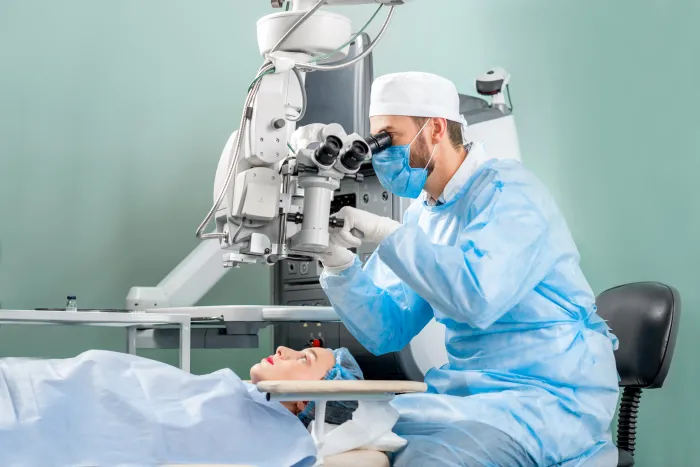
Cataract surgery is a quick, safe, and painless procedure that usually takes 15–30 minutes per eye. Here’s what to expect:
1. Before Surgery
A thorough eye exam will be done to measure your eye shape and select the right artificial lens (intraocular lens, or IOL).
You may be asked to stop certain medications before surgery.
Eye drops will be given to prevent infection and reduce swelling.
2. During Surgery
Anaesthesia: Numbing drops or a mild sedative will ensure you feel no pain.
Lens Removal: The surgeon makes a tiny incision and uses ultrasound (phacoemulsification) to break up and remove the cloudy lens.
IOL Implant: A clear artificial lens is placed in the eye to restore focus.
3. After Surgery
You’ll rest briefly before going home (you won’t be able to drive).
Eye drops will be prescribed to prevent infection and aid healing.
Vision improves within a few days, though full recovery takes 4–6 weeks.
Types of Intraocular Lenses (IOLs)
Your doctor will help choose the best lens for your needs:
1. Monofocal IOLs: Correct vision for one distance (usually far vision, requiring glasses for near tasks).
2. Multifocal IOLs: Provide clear vision at multiple distances, reducing dependence on glasses.
3. Toric IOLs: Designed for patients with astigmatism.
Recovery and Care After Surgery
To ensure a smooth recovery:
Avoid rubbing or pressing on the eye.
Wear sunglasses outdoors to protect from bright light.
Skip swimming and heavy lifting for a few weeks.
Use prescribed eye drops as directed.
Attend follow-up visits to monitor healing.
Most people notice improved vision within days, with colours appearing brighter and sharper.
Can Cataracts Be Prevented?
While cataracts are a natural part of ageing, you can reduce risk by:
Wearing UV-protective sunglasses.
Eating a diet rich in antioxidants.
Managing diabetes and blood pressure.
Avoiding smoking and excessive alcohol.
Getting regular eye check-ups, especially after age 40.
When to See a Doctor
If you experience:
Sudden vision changes
Severe pain or redness after surgery
Flashes of light or floating spots
Seek immediate medical attention.
Final Thoughts
Cataract surgery is a safe, effective way to restore clear vision and improve quality of life. With modern techniques, recovery is quick, and most people enjoy better eyesight than before.
If you suspect cataracts or have been advised to consider surgery, consult an eye specialist for personalised advice. Apollo24|7 offers expert consultations and cataract surgery services—book an appointment today to take the first step toward clearer vision!
Consult Top Eye Specialists
Consult Top Specialists for Your Symptoms

Dr Aishwarya M Angadi
Ophthalmologist
5 Years • MBBS, MS
Pune
Apollo Clinic, Nigdi, Pune

Dr Kanse Vaibhav
Ophthalmologist
10 Years • MBBS, DO, MS, DNB
Pune
Apollo Clinic, Nigdi, Pune

Dr Apurva Thombre
Ophthalmologist
10 Years • MBBS MS DNB Opthalmology
Pune
Apollo Clinic, Nigdi, Pune

Dr. Sridhar Annam
Ophthalmologist
15 Years • MBBS, DO, MS (Opthal)
Hyderabad
Apollo Hospitals Jubilee Hills, Hyderabad

(50+ Patients)

Dr L R Seth
Ophthalmologist
36 Years • MBBS, MS, DOMS
Delhi
Apollo Hospitals Indraprastha, Delhi
Consult Top Eye Specialists
Dr Aishwarya M Angadi
Ophthalmologist
5 Years • MBBS, MS
Pune
Apollo Clinic, Nigdi, Pune
Dr Kanse Vaibhav
Ophthalmologist
10 Years • MBBS, DO, MS, DNB
Pune
Apollo Clinic, Nigdi, Pune
Dr Apurva Thombre
Ophthalmologist
10 Years • MBBS MS DNB Opthalmology
Pune
Apollo Clinic, Nigdi, Pune
Dr. Sridhar Annam
Ophthalmologist
15 Years • MBBS, DO, MS (Opthal)
Hyderabad
Apollo Hospitals Jubilee Hills, Hyderabad
(50+ Patients)
Dr L R Seth
Ophthalmologist
36 Years • MBBS, MS, DOMS
Delhi
Apollo Hospitals Indraprastha, Delhi