Can You Put A Cold Compress On Your Eye After Cataract Surgery
Find out if and how to use a cold compress on your eye after cataract surgery. Get clear guidelines on safety, best practices, and when it's appropriate for post-operative comfort and swelling.

Written by Dr. Shaik Abdul Kalam
Reviewed by Dr. D Bhanu Prakash MBBS, AFIH, Advanced certificate in critical care medicine, Fellowship in critical care medicine
Last updated on 13th Jan, 2026

Introduction
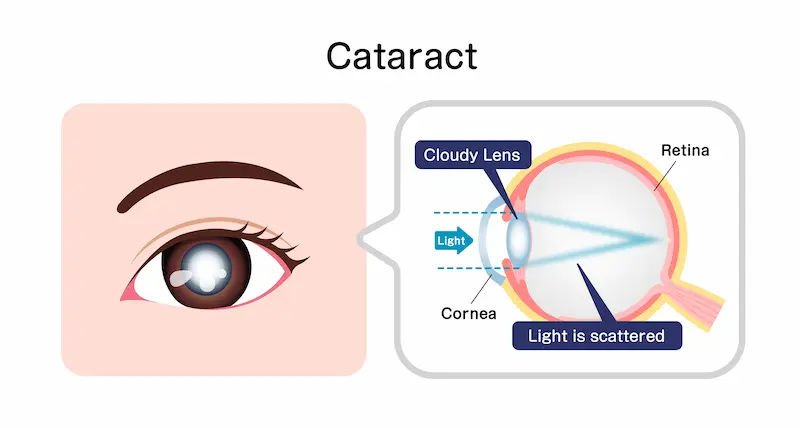
Cataract surgery is a common and generally safe procedure that helps restore clear vision by replacing a cloudy lens with an artificial one. After the surgery, proper care is essential to ensure a smooth recovery. One question many patients have is whether they can use a cold compress to soothe their eyes post surgery. Let’s explore this in detail.
Understanding Cataract Surgery Recovery
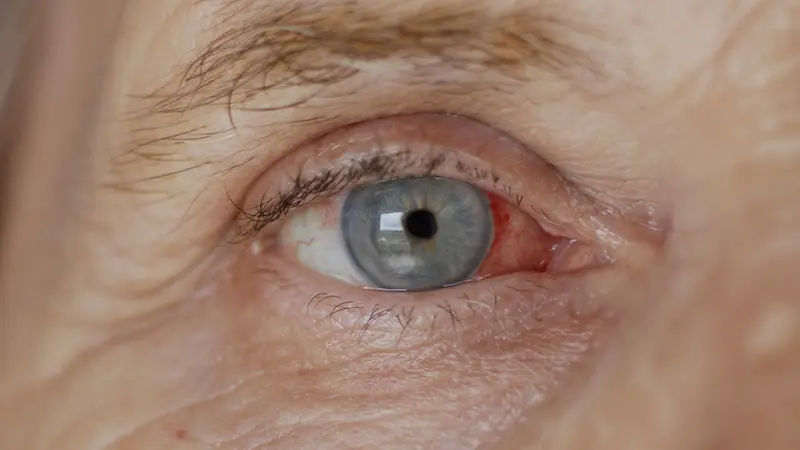
After cataract surgery, your eye may feel slightly irritated, itchy, or swollen. These symptoms are normal and usually subside within a few days. Your doctor will provide specific postoperative instructions, which may include using prescribed eye drops, avoiding strenuous activities, and protecting your eye from dust and water.
Can You Use a Cold Compress After Cataract Surgery?
Yes, you can use a cold compress after cataract surgery, but with some precautions. A cold compress can help reduce swelling, relieve discomfort, and minimize bruising (if any). However, it’s important to follow these guidelines:
Wait for the Right Time – Avoid applying any pressure or cold packs immediately after surgery. Your doctor may recommend waiting at least 24 hours before using a cold compress.
Use a Clean, Soft Cloth – Wrap ice cubes or a cold gel pack in a clean, soft cloth. Never apply ice directly to your eye.
Gentle Application – Place the compress lightly over the closed eyelid for 5-10 minutes at a time. Avoid pressing too hard.
Avoid Moisture Near the Eye – Ensure the compress does not drip water into your eye, as this can increase the risk of infection.
Benefits of a Cold Compress After Cataract Surgery
Common health benefits are:
Reduces Swelling – Cold helps constrict blood vessels, minimizing inflammation.
Soothes Discomfort – It can provide relief from mild pain or irritation.
Prevents Bruising – If there’s minor bruising around the eye, cold therapy can help.
Consult Top Specialists for Personalised Tips
What to Avoid After Cataract Surgery
While a cold compress can be helpful, there are certain things you should avoid to prevent complications:
Rubbing Your Eye – This can dislodge the healing tissues or introduce infection.
Heavy Lifting or Bending – Straining can increase eye pressure.
Swimming or Hot Tubs – Water exposure can lead to infections.
Dusty or Windy Environments – Protect your eye with sunglasses when outdoors.
Other Ways to Speed Up Recovery
Other ways of speeding up recovery are:
Use Prescribed Eye Drops – Follow your doctor’s instructions strictly to prevent infection and inflammation.
Wear an Eye Shield at Night – This prevents accidental rubbing while sleeping.
Rest Your Eyes – Avoid screens and bright lights for the first few days.
Eat a Healthy Diet – Foods rich in vitamins A, C, and E (like leafy greens, carrots, and citrus fruits) support eye healing.
Stay Hydrated – Drinking enough water helps maintain eye moisture.
When to Call Your Doctor
While mild discomfort is normal, contact your doctor immediately if you experience:
Severe pain
Sudden vision loss
Increased redness or discharge
Flashes of light or floaters
Final Thoughts
Using a cold compress after cataract surgery can be beneficial if done correctly. Always follow your doctor’s advice and avoid anything that could irritate your healing eye. If you have any concerns or need personalized guidance, consider booking a consultation with an eye specialist through Apollo 24|7 for expert care.
Consult Top Eye Surgeon
Consult Top Specialists for Personalised Tips

Dr. Padmini S
Ophthalmologist
4 Years • MBBS,MS
Bengaluru
Apollo Medical Center, Marathahalli, Bengaluru

Dr. K Sreekumar Reddy
Ophthalmologist
26 Years • MBBS MD (Ophthalmology) EGESTOLP
Hyderabad
Apollo Hospitals Jubilee Hills, Hyderabad

(50+ Patients)
Dr Apurva Thombre
Ophthalmologist
10 Years • MBBS MS DNB Opthalmology
Pune
Apollo Clinic, Nigdi, Pune

Dr Kanse Vaibhav
Ophthalmologist
10 Years • MBBS, DO, MS, DNB
Pune
Apollo Clinic, Nigdi, Pune

Dr. Sridhar Annam
Ophthalmologist
15 Years • MBBS, DO, MS (Opthal)
Hyderabad
Apollo Hospitals Jubilee Hills, Hyderabad
(50+ Patients)
Consult Top Eye Surgeon
Dr. Padmini S
Ophthalmologist
4 Years • MBBS,MS
Bengaluru
Apollo Medical Center, Marathahalli, Bengaluru
Dr. K Sreekumar Reddy
Ophthalmologist
26 Years • MBBS MD (Ophthalmology) EGESTOLP
Hyderabad
Apollo Hospitals Jubilee Hills, Hyderabad
(50+ Patients)
Dr Apurva Thombre
Ophthalmologist
10 Years • MBBS MS DNB Opthalmology
Pune
Apollo Clinic, Nigdi, Pune
Dr Kanse Vaibhav
Ophthalmologist
10 Years • MBBS, DO, MS, DNB
Pune
Apollo Clinic, Nigdi, Pune
Dr. Sridhar Annam
Ophthalmologist
15 Years • MBBS, DO, MS (Opthal)
Hyderabad
Apollo Hospitals Jubilee Hills, Hyderabad
(50+ Patients)