Eye Inflammation 2 Months After Cataract Surgery
Experiencing eye inflammation 2 months after cataract surgery? Learn about possible causes, warning signs, treatment options, and when to seek medical help.

Written by Dr. Dhankecha Mayank Dineshbhai
Reviewed by Dr. J T Hema Pratima MBBS, Fellowship in Diabetes Mellitus
Last updated on 13th Jan, 2026
Introduction
If you've recently undergone cataract surgery and are experiencing eye inflammation—redness, discomfort, or swelling—even after two months, you may be understandably concerned. While cataract surgery is generally safe and effective, some patients may experience prolonged inflammation. Let’s understand why this happens, what symptoms to watch for, and how to manage it effectively.
What Causes Eye Inflammation After Cataract Surgery?
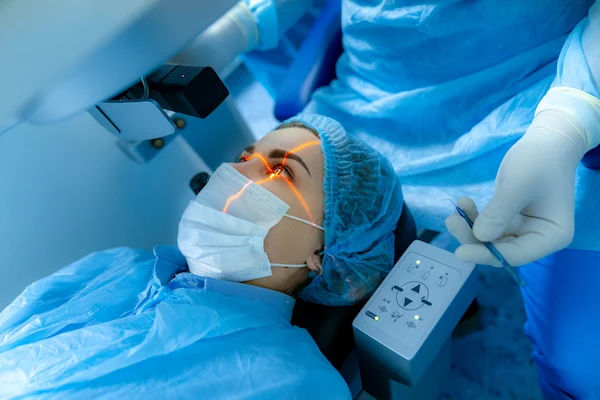
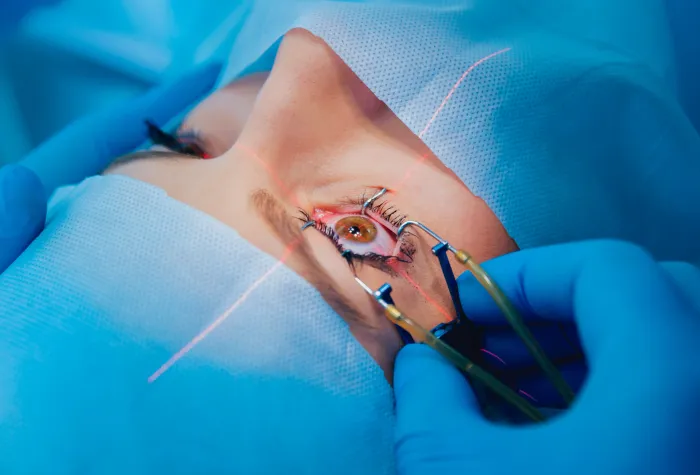
Cataract surgery involves removing the cloudy lens and replacing it with an artificial one. While the procedure is minimally invasive, your eye may still react with some inflammation as part of the natural healing process. However, if inflammation persists beyond a few weeks, it could be due to:
1. Delayed Healing – Some individuals, especially those with diabetes or autoimmune conditions, may heal more slowly.
2. Infection (Endophthalmitis) – A rare but serious infection inside the eye that requires immediate treatment.
3. Chronic Inflammation (Uveitis) – Persistent irritation of the eye’s middle layer.
4. Retained Lens Fragments – Tiny pieces of the cataract left behind can trigger inflammation.
5. Dry Eye Syndrome – Surgery can temporarily disrupt tear production, leading to irritation.
Symptoms to Watch For
While mild redness or discomfort can be normal in the initial weeks, the following symptoms after two months should prompt a visit to your eye doctor:
Persistent redness or swelling
Increased pain or discomfort
Blurred or worsening vision
Sensitivity to light
Floaters or flashes in vision
Excessive tearing or discharge
If you notice any of these, don’t ignore them—early intervention can prevent complications.
Consult Top Specialists for Personalised Health Advice
How Is Prolonged Eye Inflammation Treated?
Your doctor will examine your eye to determine the cause and recommend appropriate treatment, which may include:
Anti-inflammatory Eye Drops – Steroid or NSAID drops to reduce swelling.
Antibiotics – If an infection is suspected.
Lubricating Drops – For dry eye-related irritation.
Oral Medications – In severe cases of uveitis or autoimmune reactions.
Laser or Surgical Intervention – Rarely needed but may be required for complications like retained lens fragments.
Tips to Manage and Prevent Further Irritation
While following your doctor’s advice, you can also take these steps to support healing:
Use Prescribed Medications Regularly – Don’t skip doses, even if symptoms improve.
Avoid Rubbing Your Eyes – This can worsen inflammation.
Wear Sunglasses – Protect your eyes from bright light and dust.
Stay Hydrated – Helps maintain tear production.
Follow Up with Your Doctor – Attend all post-surgery check-ups.
When to Seek Immediate Help
If you experience:
Sudden vision loss
Severe pain
Pus-like discharge
A sudden increase in floaters
Seek emergency eye care immediately, as these symptoms could indicate a serious complication.
Final Thoughts
While mild inflammation after cataract surgery is normal, persistent symptoms beyond two months should not be ignored. Most cases are treatable with proper medical care, so don’t hesitate to consult your eye specialist.
If you're experiencing prolonged discomfort, book an appointment with an ophthalmologist on Apollo 24|7 for a thorough evaluation and personalised treatment plan. Your vision is precious—timely care ensures the best recovery!
Consult Top Eye Specialists
Consult Top Specialists for Personalised Health Advice

Dr. Padmini S
Ophthalmologist
4 Years • MBBS,MS
Bengaluru
Apollo Medical Center, Marathahalli, Bengaluru

Dr. K Sreekumar Reddy
Ophthalmologist
26 Years • MBBS MD (Ophthalmology) EGESTOLP
Hyderabad
Apollo Hospitals Jubilee Hills, Hyderabad
(50+ Patients)

Dr Kanse Vaibhav
Ophthalmologist
10 Years • MBBS, DO, MS, DNB
Pune
Apollo Clinic, Nigdi, Pune
Dr. Sridhar Annam
Ophthalmologist
15 Years • MBBS, DO, MS (Opthal)
Hyderabad
Apollo Hospitals Jubilee Hills, Hyderabad
(50+ Patients)
Dr Aishwarya M Angadi
Ophthalmologist
5 Years • MBBS, MS
Pune
Apollo Clinic, Nigdi, Pune
Consult Top Eye Specialists
Dr. Padmini S
Ophthalmologist
4 Years • MBBS,MS
Bengaluru
Apollo Medical Center, Marathahalli, Bengaluru
Dr. K Sreekumar Reddy
Ophthalmologist
26 Years • MBBS MD (Ophthalmology) EGESTOLP
Hyderabad
Apollo Hospitals Jubilee Hills, Hyderabad
(50+ Patients)
Dr Kanse Vaibhav
Ophthalmologist
10 Years • MBBS, DO, MS, DNB
Pune
Apollo Clinic, Nigdi, Pune
Dr. Sridhar Annam
Ophthalmologist
15 Years • MBBS, DO, MS (Opthal)
Hyderabad
Apollo Hospitals Jubilee Hills, Hyderabad
(50+ Patients)
Dr Aishwarya M Angadi
Ophthalmologist
5 Years • MBBS, MS
Pune
Apollo Clinic, Nigdi, Pune