Vision After Monofocal Cataract Surgery
Understand what to expect from your vision after monofocal cataract surgery, including distance clarity, reading challenges, and possible lens options.

Introduction
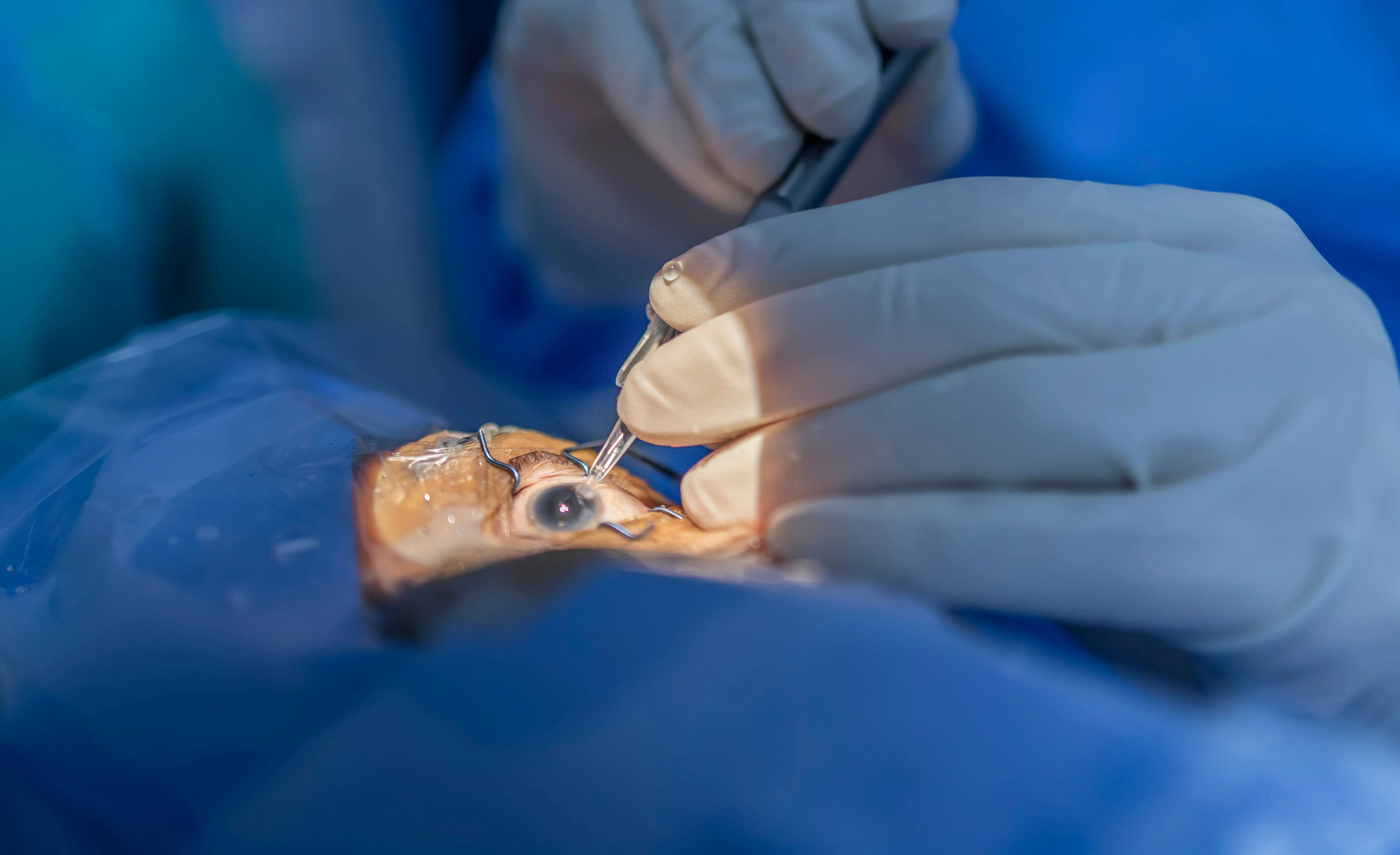
Cataract surgery is a common and highly successful procedure that helps restore clear vision by replacing the cloudy natural lens of the eye with an artificial one. If you or a loved one has undergone monofocal cataract surgery, you might wonder what to expect in terms of vision afterward. This article will guide you through the recovery process, vision outcomes, and tips for adjusting to your new eyesight.
Understanding Monofocal Cataract Surgery
Monofocal lenses are the most commonly used intraocular lenses (IOLs) in cataract surgery. Unlike multifocal or trifocal lenses, which correct vision at multiple distances, monofocal lenses are designed to provide clear vision at one fixed distance, usually for distance vision. This means you may still need glasses for near tasks like reading or using a phone.
What Vision Can You Expect After Surgery?
1. Distance Vision Improvement: Most patients experience significantly clearer distance vision after monofocal cataract surgery. Activities like driving, watching TV, and recognising faces become much easier.
2. Near Vision May Still Require Glasses: Since monofocal lenses focus on one distance, you may need reading glasses for close-up work.
3. Possible Need for Mild Correction: Some patients may still require glasses for intermediate vision (like computer work) or minor distance corrections.
Common Post-Surgery Experiences
Here are some common visual changes you might notice after cataract surgery, starting with blurry or fluctuating vision as your eyes recover:
1. Blurry or Fluctuating Vision
Immediately after surgery, your vision may be slightly blurry or hazy.
It can take a few days to weeks for your eyes to fully adjust.
Follow-up visits with your doctor will help track healing progress.
2. Glare and Halos
Some patients notice glare or halos around lights, especially at night.
This usually improves over time as the eye adjusts.
Consult Top Ophthalmologists
3. Dry Eyes or Mild Irritation
Temporary dryness or a gritty feeling is common.
Use prescribed lubricating eye drops to keep your eyes comfortable.
4. Colour Perception Changes
After years of seeing through a yellowish cataract, colours may appear brighter or more vivid.
Tips for Adjusting to Your New Vision
1. Be Patient: Full visual recovery can take a few weeks. Avoid rushing into new glasses prescriptions until your vision stabilises.
2. Use Proper Lighting: For reading or close work, ensure adequate lighting to reduce strain.
3. Wear Sunglasses Outdoors: Protect your eyes from bright sunlight to prevent discomfort.
4. Follow Your Doctor’s Advice: Attend all follow-up appointments and use prescribed eye drops to prevent infection and inflammation.
When to Consult Your Doctor?
While most patients recover smoothly, contact your eye specialist if you experience:
Severe pain or sudden vision loss
Increased redness or swelling
Flashes of light or floating spots (could indicate retinal issues)
Can You Reduce Dependence on Glasses?
If you want to minimise reliance on glasses after monofocal cataract surgery, discuss these options with your doctor:
Monovision Approach: One eye is set for distance, and the other for near vision (works well for some patients).
Laser Vision Correction: A minor LASIK procedure can fine-tune your vision further.
Conclusion
Monofocal cataract surgery restores clear vision for most daily activities, though reading glasses may still be needed. With proper care and follow-up, you can enjoy a significant improvement in your quality of life.
If you're considering cataract surgery or need post-operative care, Apollo24|7 offers expert consultations and eye tests. Book an appointment today to get personalised advice for your vision needs!
Consult Top Ophthalmologists
Consult Top Ophthalmologists

Dr. Padmini S
Ophthalmologist
4 Years • MBBS,MS
Bengaluru
Apollo Medical Center, Marathahalli, Bengaluru

Dr L R Seth
Ophthalmologist
36 Years • MBBS, MS, DOMS
Delhi
Apollo Hospitals Indraprastha, Delhi

Dr. Ashu Agarwal
Ophthalmologist
24 Years • MBBS, MS
Delhi
Apollo Hospitals Indraprastha, Delhi

Dr. Arpita Agrawal
Ophthalmologist
20 Years • MBBS MS FLUPEI
Bhopal
Apollo Sage Hospitals, Bhopal

Dr Anoop Mishra
Ophthalmologist
10 Years • "MS (Ophthalmology), FVRS Phaco Fellowship, Retina Fellowship "
Lucknow
Apollomedics Super Speciality Hospital, Lucknow
Consult Top Ophthalmologists
Dr. Padmini S
Ophthalmologist
4 Years • MBBS,MS
Bengaluru
Apollo Medical Center, Marathahalli, Bengaluru
Dr L R Seth
Ophthalmologist
36 Years • MBBS, MS, DOMS
Delhi
Apollo Hospitals Indraprastha, Delhi
Dr. Ashu Agarwal
Ophthalmologist
24 Years • MBBS, MS
Delhi
Apollo Hospitals Indraprastha, Delhi
Dr. Arpita Agrawal
Ophthalmologist
20 Years • MBBS MS FLUPEI
Bhopal
Apollo Sage Hospitals, Bhopal
Dr Anoop Mishra
Ophthalmologist
10 Years • "MS (Ophthalmology), FVRS Phaco Fellowship, Retina Fellowship "
Lucknow
Apollomedics Super Speciality Hospital, Lucknow