


Guide to Cervicogenic Headaches
Understand cervicogenic headaches, their causes, symptoms, and effective treatment options. Learn how to differentiate them from other headaches and find lasting relief through proper diagnosis and care.

Written by Dr. Mohammed Kamran
Reviewed by Dr. Rohinipriyanka Pondugula MBBS
Last updated on 13th Jan, 2026
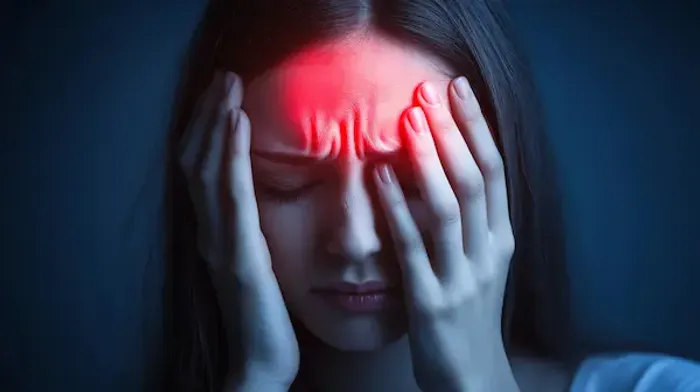
Have you ever had a headache that seems to start in your neck? A dull, aching pain that travels up the back of your head, sometimes behind your eyes? If this sounds familiar, you might be experiencing a cervicogenic headache. Unlike typical tension headaches or migraines, the true source of this pain isn't in your head—it's in your cervical spine (your neck). Often misdiagnosed, cervicogenic headaches are a secondary headache disorder, meaning they are caused by an underlying issue in the neck's structures, such as joints, muscles, or nerves. This comprehensive guide will help you understand what a cervicogenic headache is, how to identify its unique symptoms, and explore the most effective evidence-based treatments. We'll also provide practical at-home strategies for management and clarify when it's crucial to seek professional medical advice.
What Exactly is a Cervicogenic Headache?
A cervicogenic headache (CGH) is a chronic pain condition where the perceived pain is in the head, but the actual source of the problem lies in the cervical spine. It's a classic example of "referred pain," where a dysfunction in one part of the body causes pain in another. The pain signals originate from irritated or compressed structures in the upper neck—specifically the C1-C3 vertebrae—which share a pain nucleus with the trigeminal nerve (the nerve responsible for sensation in your face and head). This neurological crossover tricks your brain into thinking the pain is coming from your head.
How It Differs from Migraines and Tension Headaches
Differentiating a CGH from other common headaches is vital for proper treatment. Here’s a quick comparison:
- Migraines: Typically throbbing, one-sided, and accompanied by nausea, vomiting, and sensitivity to light/sound. They are a primary headache disorder (the headache is the condition).
- Tension Headaches: Usually cause a band-like pressure around both sides of the head. They are also primary headaches.
- Cervicogenic Headaches: Pain is almost always triggered or worsened by specific neck movements or sustained postures. It is a secondary headache, a symptom of a neck problem. There is usually no nausea or aura.
The Root Cause
The fundamental cause of cervicogenic head pain is a physical issue within the neck. The pain is a messenger, alerting you to a problem in this area.
Common Anatomical Sources of the Pain
- Facet Joints: These small joints between the vertebrae can become arthritic or injured, referring pain to the head.
- Intervertebral Discs: Degeneration or herniation of a disc in the upper neck can be a source.
- Muscles: Trauma or chronic tension in neck muscles like the trapezius, sternocleidomastoid, or suboccipitals can refer
pain. - Nerves: Compression or irritation of the greater occipital nerve or other nerves exiting the upper cervical spine is a
common cause, a condition sometimes overlapping with occipital neuralgia.
Risk Factors and Who is Most Affected
Certain factors increase the risk of developing CGH:
- Previous Neck Trauma: Whiplash from a car accident is a leading cause.
- Poor Posture: A forward head posture, common with desk jobs and phone use, places immense strain on the neck.
- Repetitive Strain: Jobs or activities requiring repetitive neck movements.
- Age and Degeneration: Osteoarthritis and disc degeneration become more common with age.
Recognising the Symptoms: More Than Just a Headache
The symptoms of a CGH are distinct. Pain usually begins in the neck and spreads forward. Key characteristics include:
- Unilateral pain: Pain on one side of the head/face that rarely switches sides.
- Pain triggered by movement: Certain neck motions or holding a position (like looking down at a phone) provokes or
worsens the headache. - Reduced neck mobility: Stiffness and inability to turn the head fully.
- Pain patterns: Pain often radiates from the occiput (back of the head) to the forehead, temple, or around/behind the eye.
- Steady, non-throbbing ache: The pain is typically a constant, deep ache.
The Classic "Red Flag" Symptoms to Watch For
While CGH is generally not dangerous, it's crucial to rule out serious conditions. Seek immediate medical attention if
your headache is:
- Sudden, severe, and "the worst headache of your life."
- Accompanied by fever, stiff neck, confusion, or seizures.
- Follows a head injury.
- Includes weakness, numbness, or slurred speech.
Consult Top Specialists
How is a Cervicogenic Headache Diagnosed?
Diagnosis can be challenging and requires a thorough clinical evaluation. There is no single test for CGH; it's primarily
a diagnosis of exclusion.
The Critical Physical Examination
A doctor or physiotherapist will perform a physical exam, checking your neck's range of motion, muscle strength, and areas of tenderness. They will press on specific structures in your neck to see if it reproduces your headache pain, which is a strong indicator of CGH.
Diagnostic Nerve Blocks
The most definitive diagnostic tool is a diagnostic nerve block. An anaesthetic is injected to numb a specific nerve or facet joint in the neck. If the headache pain is completely relieved, even temporarily, it confirms that structure as the pain source. This is a powerful step towards planning effective treatment.
The Role of Imaging (X-rays, MRI)
Imaging like X-rays, CT scans, or MRIs cannot diagnose CGH on their own. However, they are essential for ruling out other serious pathologies like tumours, fractures, or rheumatoid arthritis that could be causing the neck pain and subsequent headache.
Effective Treatment Strategies for Cervicogenic Headaches
Treatment is multifaceted, focusing on resolving the underlying neck dysfunction.
Physical Therapy and Targeted Exercises
This is the cornerstone of cervicogenic headache treatment. A physical therapist will use:
- Manual Therapy: Hands-on techniques to mobilise stiff joints and release tight muscles.
- Exercise Prescription: Specific exercises to strengthen deep neck flexors and stabilisers, improve posture, and enhance
flexibility. A 2017 Cochrane review found strong evidence supporting exercise and manual therapy for CGH.
Medications for Pain Relief and Inflammation
Medications can help manage pain but are not a long-term cure:
- NSAIDs: Ibuprofen or naproxen for inflammation and pain.
- Muscle Relaxants: For acute muscle spasms.
- Neuropathic Pain Medications: Drugs like gabapentin or amitriptyline can help with nerve-related pain.
Interventional Procedures
For persistent pain, interventional techniques are highly effective:
- Nerve Blocks: Injections of an anaesthetic (often with a steroid) to provide longer-term relief and break the pain cycle.
- Radiofrequency Ablation (RFA): Uses heat to disable the nerve causing pain, providing relief for 9-18 months.
Surgical Options: A Last Resort
Surgery is rarely needed and is only considered if all conservative and interventional measures fail and a specific
structural cause (like a herniated disc) is identified.
At-Home Management and Prevention
Active self-management is key to long-term control of cervicogenic head pain.
Posture Correction Tips for Daily Life
Avoid prolonged forward head posture. Keep your ears aligned with your shoulders.
- Take frequent breaks from screens every 30 minutes.
Ergonomics: Setting Up Your Workspace
Ensure your computer monitor is at eye level.
- Use a chair with good lumbar support and armrests.
Stretches and Strengthening Exercises
- Doorway Stretch: Place forearms on a door frame and gently step forward to stretch the chest and anterior shoulder
muscles. - Isometric Neck Strengthening: Gently push your head into your hand in all four directions (forward, backward, side-to-
side), resisting any actual movement.
When to See a Doctor?
If you suspect your headaches are originating from your neck, or if your symptoms persist beyond two weeks despite
self-care, it's important to get a professional evaluation. If your condition does not improve after trying these methods,
book a physical visit to a doctor with Apollo24|7 for further evaluation. A correct diagnosis is the first step to effective treatment.
Conclusion
Living with a cervicogenic headache can be a frustrating and painful experience, but it's important to know that effective help is available. By understanding that the root of the problem lies in your neck, you can pursue the right path to relief—one that focuses on physical therapy, posture correction, and targeted treatments rather than just masking the pain with medication. Remember, you are an active participant in your recovery. Incorporating the stretches and ergonomic changes discussed here can make a significant difference. However, a proper medical diagnosis is the essential first step to creating a tailored and effective treatment plan. Don't hesitate to seek professional guidance to reclaim a life free from chronic head pain.
Consult Top Specialists
Consult Top Specialists

Dr. Rajib Ghose
General Physician/ Internal Medicine Specialist
25 Years • MBBS
East Midnapore
VIVEKANANDA SEBA SADAN, East Midnapore

Dr. Ashita Kuruvilla
General Physician/ Internal Medicine Specialist
7 Years • MBBS
East Midnapore
VIVEKANANDA SEBA SADAN, East Midnapore

Dr. Ashita Kuruvilla
General Practitioner
7 Years • MBBS
Kolkata
KVC CLINIC, Kolkata

Dr. Rashmi Wadhwa
General Practitioner
35 Years • MBBS
South Delhi
RASHMI WADHWA'S CLINIC, South Delhi

(75+ Patients)

Dr. Suvayan Sadhu
General Practitioner
2 Years • MBBS
Kolkata
GRD POLYCLINIC, Kolkata
Consult Top Specialists
Dr. Rajib Ghose
General Physician/ Internal Medicine Specialist
25 Years • MBBS
East Midnapore
VIVEKANANDA SEBA SADAN, East Midnapore
Dr. Ashita Kuruvilla
General Physician/ Internal Medicine Specialist
7 Years • MBBS
East Midnapore
VIVEKANANDA SEBA SADAN, East Midnapore
Dr. Ashita Kuruvilla
General Practitioner
7 Years • MBBS
Kolkata
KVC CLINIC, Kolkata
Dr. Rashmi Wadhwa
General Practitioner
35 Years • MBBS
South Delhi
RASHMI WADHWA'S CLINIC, South Delhi
(75+ Patients)
Dr. Suvayan Sadhu
General Practitioner
2 Years • MBBS
Kolkata
GRD POLYCLINIC, Kolkata
Frequently Asked Questions
1. Can cervicogenic headaches cause dizziness?
Yes, it's a common symptom. Dysfunction in the upper neck can affect proprioception (your sense of position and balance), leading to feelings of lightheadedness or unsteadiness.
2. How long does a cervicogenic headache typically last?
The duration varies. Without treatment, they can last for hours, days, or even be continuous. The pain often fluctuates based on neck activity and posture.
3. Are there any specific tests for diagnosing a cervicogenic headache?
While there's no standard lab test, the most confirmatory test is a diagnostic nerve block, where the relief of pain after an injection helps pinpoint the source.
4. Can poor sleep posture cause cervicogenic headaches?
Absolutely. Sleeping on your stomach twists your neck, and an unsupportive pillow can strain neck structures, both of which can trigger or worsen cervicogenic head pain.
5. Is a cervicogenic headache a sign of something serious?
While CGH itself is not typically dangerous, its symptoms can mimic more serious conditions. This is why a medical evaluation is crucial to rule out other causes of neck pain and headache.