Understanding Medical Procedures for Coronary Artery Disease
Know about understanding coronary artery disease, common diagnostic procedures, common treatment procedures and lifestyle tips to manage coronary artery disease.
Written by Dr. J T Hema Pratima
Reviewed by Dr. Rohinipriyanka Pondugula MBBS
Last updated on 13th Jan, 2026
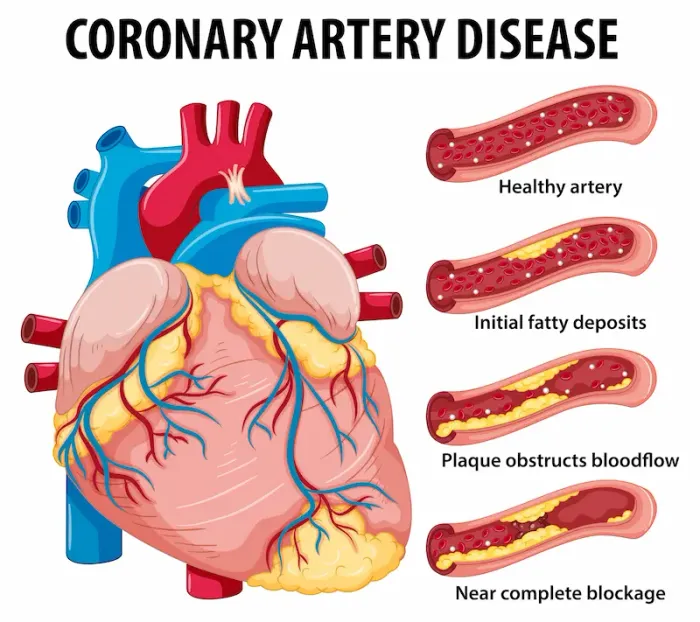
Introduction
Coronary Artery Disease (CAD) is a common heart condition where the blood vessels supplying the heart (coronary arteries) become narrowed or blocked due to plaque buildup. This can reduce blood flow to the heart, leading to chest pain (angina) or even a heart attack. Fortunately, several medical procedures can help diagnose and treat CAD effectively.
If you have been diagnosed with CAD, understanding these procedures can help ease anxiety and prepare you for the next steps.
Consult Top Cardiologist for Personalised Advice
Common Diagnostic Procedures for CAD
Before treatment begins, doctors need to confirm the presence and severity of CAD. Here are some common tests:
1. Electrocardiogram (ECG or EKG)
What it does: Records the heart's electrical activity to detect irregular rhythms or past heart attacks.
What to expect: Painless and quick—small electrodes are placed on your chest, arms, and legs.
2. Stress Test (Exercise or Pharmacological)
What it does: Measures how your heart performs under physical stress (walking on a treadmill) or medication-induced stress.
What to expect: You’ll be monitored while exercising or given medication to simulate exercise effects.
3. Echocardiogram (Echo)
What it does: Uses ultrasound waves to create images of the heart, showing its structure and function.
What to expect: A technician moves a probe over your chest—completely painless.
4. Coronary Angiography (Cardiac Catheterization)
What it does: A special dye is injected into the coronary arteries, and X-rays are taken to detect blockages.
What to expect: A thin tube (catheter) is inserted into a blood vessel (usually in the wrist or groin) and guided to the heart. You may feel slight pressure but no pain.
Common Treatment Procedures for CAD
Depending on the severity of blockages, doctors may recommend different treatments:
1. Lifestyle Changes & Medications
What it does: Helps manage symptoms and slow disease progression.
Common medications:
Statins (lower cholesterol)
Beta-blockers (reduce heart workload)
Aspirin (prevents blood clots)
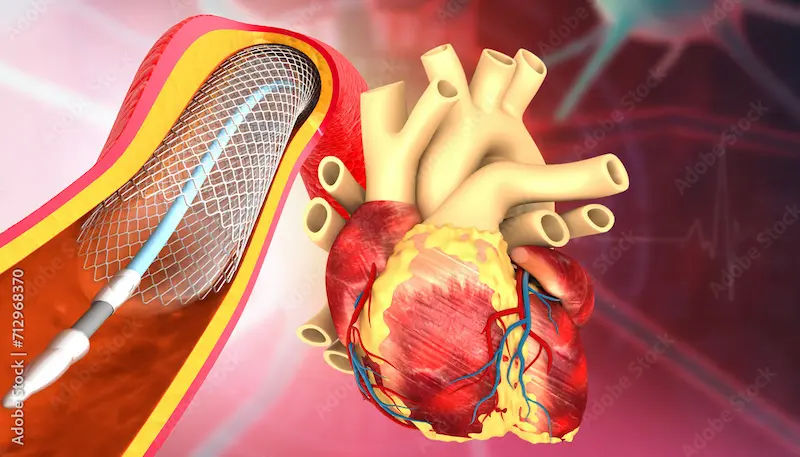
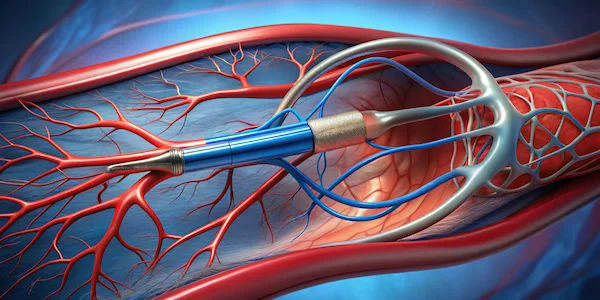
2. Angioplasty & Stent Placement (PCI - Percutaneous Coronary Intervention)
What it does: A balloon is inflated to open a blocked artery, and a stent (a small mesh tube) is placed to keep it open.
What to expect: Similar to angiography—minimally invasive with a short recovery time.
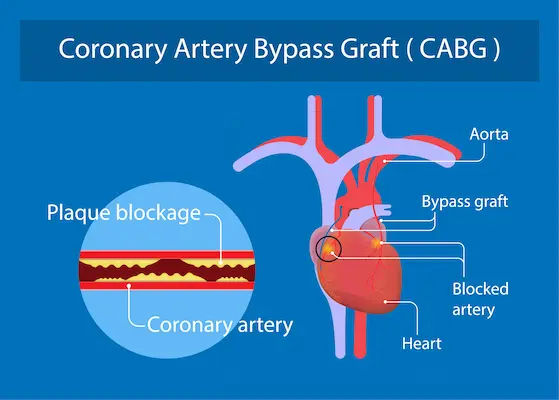
3. Coronary Artery Bypass Grafting (CABG)
What it does: A surgeon creates a new pathway for blood flow by using a healthy blood vessel from another part of the body to bypass the blocked artery.
What to expect: Open-heart surgery requiring a hospital stay of 5-7 days and several weeks of recovery.
How to Prepare for These Procedures?
Procedures includes:
Before the test/procedure:
Follow fasting instructions if required.
Inform your doctor about medications (especially blood thinners).
Arrange for someone to drive you home if sedation is involved.
After the procedure:
Rest as advised.
Keep the insertion site (if any) clean and dry.
Follow up with your doctor for recovery progress.
Lifestyle Tips to Manage CAD
Even after treatment, maintaining a heart-healthy lifestyle is crucial:
Eat a balanced diet (more fruits, vegetables, whole grains, lean proteins).
Exercise regularly (walking, swimming, or light cardio as advised).
Quit smoking (smoking worsens CAD).
Manage stress (yoga, meditation, deep breathing).
Monitor blood pressure & cholesterol (regular check-ups help).
When to Seek Immediate Help?
Call emergency services if you experience:
Severe chest pain or pressure
Shortness of breath
Pain spreading to the arm, neck, or jaw
Sudden dizziness or fainting
Final Thoughts
Understanding CAD procedures can help you feel more confident about your treatment journey. With the right medical care and lifestyle changes, many people with CAD lead active, fulfilling lives.
Consult Top Cardiologist for Personalised Advice
Consult Top Cardiologist for Personalised Advice

Dr. Praveen Subbanna
Cardiologist
10 Years • MBBS, M.D. (JIPMER. PONDICHERRY), DM (cardiology, SMS MEDICAL COLLEGE, JAIPUR)
Bengaluru
Apollo Hospitals Jayanagar, Bengaluru

Dr. Sujay J
Cardiologist
16 Years • MBBS,MD
Bengaluru
Apollo Hospital Sarjapur Road, Bengaluru

Dr. Arulnidhi Ayyanathan
Cardiologist
12 Years • MBBS, MRCP, AB, MBA
Chennai
Apollo Hospitals Greams Road, Chennai

Dr. Subir Ghosh
Cardiologist
16 Years • MBBS; MD(MED); DM(Cardio)
Ahmedabad
Apollo Hospitals Gandhinagar, Ahmedabad

Dr. Rajeshwari Nayak
Cardiologist
24 Years • MBBS, DNB (Med), DNB (Cardio), Fellowship Heart failure(Australia), Fellowship ECHO(Australia), FRCP(Glasgow), FACC, FESC, FCSI, Adj. Prof AHERF
Chennai
Apollo Hospitals Greams Road, Chennai

(200+ Patients)