


Leg Cramp Remedies For Immediate Relief
Discover leg cramps remedies that stop pain fast. Learn proven stretches, heat/cold, hydration tips, prevention, and when to see a doctor

Written by Dr. M L Ezhilarasan
Reviewed by Dr. Rohinipriyanka Pondugula MBBS
Last updated on 13th Jan, 2026
Introduction
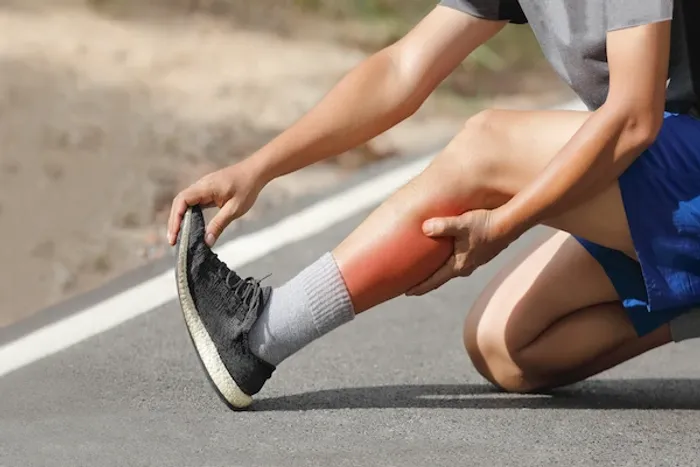
A leg cramp can stop you in your tracks, day or night. The muscles seize, the pain is sharp, and all you want is fast relief that actually works. In this guide, you’ll learn simple, safe ways to stop a cramp right now, along with practical leg cramp remedies to prevent future episodes. We’ll keep it clear and trustworthy, based on guidance from respected medical sources.
Consult a Top General Practitioner for Personalised Advice
What Causes Leg Cramps?
Leg cramps are sudden, involuntary muscle contractions—most commonly affecting the calf, foot, or hamstring. They can occur during activity, after long periods of sitting, or even during sleep. While many cramps have no identifiable cause, certain lifestyle habits, health factors, and physical patterns can increase the likelihood of experiencing them.
Common Triggers
The common triggers include:
- Muscle fatigue or overuse from exercise or long periods of standing
- Prolonged sitting or positions that shorten the calf muscles
- Dehydration or excessive heat, especially during exercise
- Pregnancy, particularly during the second and third trimesters
- Age-related changes in muscle and nerve function
- Footwear that lacks support or high heels that tighten the calves
- Medications such as diuretics, statins, or certain asthma medicines (never discontinue medication without medical advice)
When Cramps Can Signal a Condition?
Although most cramps are harmless, sometimes they can be linked to underlying health conditions or nutritional imbalances. If cramps are persistent, severe, or accompanied by weakness, numbness, swelling, or other symptoms, evaluation is essential. Conditions such as thyroid issues, kidney problems, nerve compression, impaired circulation, or electrolyte imbalances may play a role.
How to Stop a Leg Cramp Immediately?
When a cramp strikes, the goal is to relax the muscle as quickly and safely as possible. These steps can help bring relief within moments and ease any residual tightness.
Gently Stretch the Cramped Muscle
- Calf cramp: Extend the leg and pull the toes and forefoot toward the knee. Hold for 20–30 seconds and repeat.
- Hamstring cramp: Lie on your back, lift the leg gently, keep a slight bend in the knee, and draw the leg toward you.
- Foot cramp: Pull the toes back toward the shin and massage the arch.
Massage and Move
- Gently knead the tight muscle to release tension.
- Try slow ankle circles or flex-and-point movements to restore normal muscle activity.
Apply Heat for Tightness
- Use a warm towel or heating pad on a low setting to help the muscle relax. Heat is especially useful during a cramp or for lingering tightness afterwards.
Use Cold for Soreness Afterwards
- A cold pack wrapped in a cloth for 10–15 minutes can reduce tenderness once the cramp has passed.
Walk It Off Carefully
- When the pain eases, walk slowly or try light heel-walking to help the muscle return to normal function.
Hydrate
- Sip water to support recovery. After heavy sweating, consider an electrolyte drink to replenish lost minerals.
For Residual Pain
- Over-the-counter pain relief, such as ibuprofen or paracetamol, can help with soreness. If you have kidney, heart, or stomach conditions, consult your clinician before use.
Leg Cramps Remedies To Prevent Future Cramps
No single strategy prevents leg cramps for everyone. Instead, prevention usually comes from a combination of stretching, balanced nutrition, hydration, supportive footwear, and general movement habits.
Daily Gentle Stretching (Top Pick)
- Calf stretch (straight knee): Lean into a wall with one leg behind, heel down.
- Soleus stretch (bent knee): Repeat the exercise with a slight bend in the back knee.
- Hamstring stretch: Sit with one leg extended and hinge forward gently from the hips.
- Frequency: Stretch morning and evening, and before bed if you get nighttime cramps.
Sleep-Smart Positioning
- Keep bedding loose around the feet to prevent the toes from pointing downwards.
- If you sleep on your back, use a pillow that supports the feet in a neutral or slightly upward position.
- Before bed, do ankle pumps and gentle calf stretches.
Stay Active and Pace Yourself
- Regular movement helps maintain muscle flexibility.
- Increase exercise gradually to avoid sudden strain on the calves and hamstrings.
Supportive Footwear
- Choose shoes with proper arch support and cushioning.
- Limit high heels as they tighten calf muscles and contribute to cramping.
Sensible Use of Hydration and Electrolytes
The better use of electrolytes and water therapy includes:
- Drink according to your activity level and climate; pale yellow urine is a useful guide.
- After heavy sweating, include electrolytes through foods or beverages.
- Potassium-rich foods: bananas, oranges, potatoes, sweet potatoes, beans, yoghurt.
- Magnesium-rich foods: nuts, seeds, leafy greens, legumes, whole grains.
- Calcium-rich foods: dairy or fortified plant milks, tofu made with calcium sulfate.
- Avoid potassium supplements unless prescribed; magnesium supplements should also be discussed with a clinician.
Supplements: What We Know
It includes:
- Magnesium: Evidence is mixed, though some benefit has been noted during pregnancy.
- Vitamin B complex: Limited research; supplements should only be taken after professional advice.
- Quinine: Not recommended due to potentially serious side effects.
Massage and Self-Care
The tips include:
- A warm bath or shower before bed can relax muscles.
- Foam rolling or calf massage reduces tightness.
- Ice can help if cramps leave you sore.
Medication Review
If cramps coincide with a new medication, ask your clinician whether alternatives exist.
Weight, Posture, and Ergonomics
The influence of weight, posture and ergonomics includes:
- Alternate sitting and standing.
- Take movement breaks during long periods of work.
- Stretch calves regularly throughout the day.
Are Popular Quick Fixes Worth It?
The popular quick fix advantages include:
- Pickle juice: Some athletes find relief, though evidence is limited.
- Epsom salt baths: Relaxing but not strongly supported by research.
- Mustard: Anecdotal only; scientific support is limited.
When to See a Clinician?
The time to see a clinician includes:
- Cramps occur frequently or last longer than 10 minutes despite stretching.
- You experience weakness, numbness, tingling, or back pain.
- One leg is swollen, warm, or red (possible signs of a clot—urgent care needed).
- Symptoms worsen during pregnancy.
- You have conditions such as diabetes, kidney disease, thyroid problems, or circulation issues.
- You notice new symptoms such as fever or unexplained weight loss.
Call emergency services if you experience chest pain, shortness of breath, or signs of a potential pulmonary embolism.
Daily Plan For Cramp Reduction
A safe daily plan to reduce cramps includes:
Morning (2–3 Minutes)
- 30 seconds each: calf wall stretch (straight knee, then bent knee), hamstring stretch.
- 20 ankle pumps per leg.
Midday
- Take movement breaks every 1–2 hours.
- Stay hydrated and add electrolytes if sweating heavily.
Evening (5 Minutes)
- Take a gentle walk or light movement.
- Use a warm compress on the calves if they feel tight.
- Repeat morning stretches before bed, and keep bedding loose.
Food Focus
- Include 1–2 potassium-rich foods daily.
- Add magnesium-rich options like beans, almonds, or leafy greens.
- Prioritise balanced meals to support healthy muscle function.
Key Takeaways
- Stretching, massage, warmth, and gentle movement offer fast relief.
- Daily stretching, supportive footwear, hydration, and balanced nutrition help prevent cramps.
- Supplements such as magnesium offer mixed results and require medical guidance.
- Persistent, severe, or unusual cramps should be assessed by a clinician.
Consult a Top General Practitioner for Personalised Advice
Consult a Top General Practitioner for Personalised Advice

Dr. Rashmi Wadhwa
General Practitioner
35 Years • MBBS
South Delhi
RASHMI WADHWA'S CLINIC, South Delhi

(75+ Patients)

Dr. Anand Ravi
General Physician
2 Years • MBBS, FEM
Bengaluru
PRESTIGE SHANTHINIKETAN - SOCIETY CLINIC, Bengaluru

Dr. Vivek D
General Physician
4 Years • MBBS
Bengaluru
PRESTIGE SHANTHINIKETAN - SOCIETY CLINIC, Bengaluru

Dr. Sougata Kumar
General Practitioner
9 Years • MBBS
East Midnapore
VIVEKANANDA SEBA SADAN, East Midnapore

Dr. Suvayan Sadhu
General Practitioner
2 Years • MBBS
Kolkata
GRD POLYCLINIC, Kolkata
Consult a Top General Practitioner for Personalised Advice
Dr. Rashmi Wadhwa
General Practitioner
35 Years • MBBS
South Delhi
RASHMI WADHWA'S CLINIC, South Delhi
(75+ Patients)
Dr. Anand Ravi
General Physician
2 Years • MBBS, FEM
Bengaluru
PRESTIGE SHANTHINIKETAN - SOCIETY CLINIC, Bengaluru
Dr. Vivek D
General Physician
4 Years • MBBS
Bengaluru
PRESTIGE SHANTHINIKETAN - SOCIETY CLINIC, Bengaluru
Dr. Sougata Kumar
General Practitioner
9 Years • MBBS
East Midnapore
VIVEKANANDA SEBA SADAN, East Midnapore
Dr. Suvayan Sadhu
General Practitioner
2 Years • MBBS
Kolkata
GRD POLYCLINIC, Kolkata
Frequently Asked Questions
What is the best immediate relief for a leg cramp?
A leg cramp usually responds quickest to gentle stretching, especially pulling the toes upward toward the knee for calf cramps. Massaging the tight area helps the muscle relax further, and applying heat can loosen residual tension. Once the sharp pain subsides, walking lightly can reset the muscle, and ice may soothe lingering soreness.
Do bananas or magnesium stop leg cramps?
Bananas support overall potassium intake, but they do not guarantee cramp prevention on their own. Magnesium offers mixed results, with some individuals—particularly during pregnancy—reporting benefit. Because supplements can interact with medications, it’s best to consult a clinician before using them routinely.
Are leg cramps the same as restless legs syndrome (RLS)?
Leg cramps and RLS are different conditions. RLS causes an urge to move the legs, often accompanied by uncomfortable sensations that ease with movement, but it doesn’t create the intense tightening seen in cramps. A leg cramp is a sudden, painful muscle contraction that you can often feel or even see.
Can dehydration cause leg cramps?
Dehydration can contribute to cramps during exercise or in hot conditions, especially if electrolytes are lost through heavy sweating. Maintaining adequate hydration and replacing electrolytes during intense activity can help reduce this risk. However, hydration alone cannot prevent all cramps, particularly those that occur at night.
Should I drink tonic water or take quinine for cramps?
Quinine is not recommended because it carries significant risks, including heart rhythm issues and blood problems. Tonic water contains only very small amounts of quinine and is not considered a reliable or safe remedy for leg cramps. Safer, evidence-based strategies like stretching and good sleep positioning offer better long-term relief.