


How To Increase Blood Flow To Baby During Pregnancy?
Enhance blood flow to your baby during pregnancy with safe exercises, proper hydration, prenatal nutrition, and optimal sleep positions. Support healthy fetal growth and development.

Written by Dr. Siri Nallapu
Reviewed by Dr. Md Yusuf Shareef MBBS, Advanced Certificate Course in Dermatology
Last updated on 2nd Mar, 2026
Introduction
Pregnancy is a beautiful journey, but it also comes with its share of concerns, especially about the baby’s health. One crucial aspect is ensuring proper blood flow to your baby, as it supplies oxygen and essential nutrients needed for growth and development. Poor blood circulation can lead to complications, so it’s important to take steps to improve it.
In this article, we’ll discuss simple, effective ways to enhance blood flow to your baby during pregnancy, along with lifestyle tips to support a healthy pregnancy.
Why Is Blood Flow Important During Pregnancy?
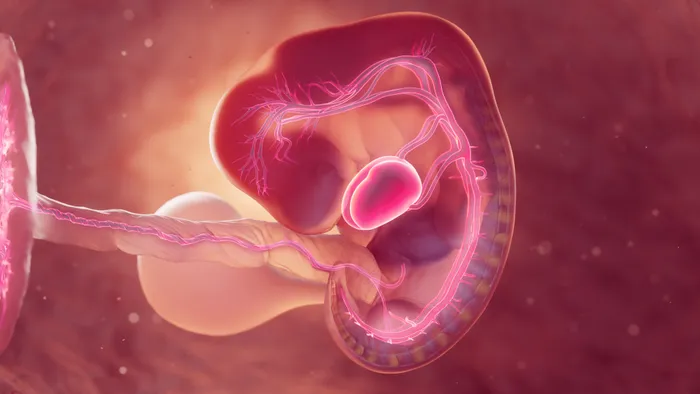
Blood flow to the baby (through the placenta and umbilical cord) is vital because:
It delivers oxygen and nutrients needed for growth.
It removes waste products from the baby’s system.
It supports brain development and overall health.
Reduced blood flow can lead to complications like intrauterine growth restriction (IUGR), preterm birth, or low birth weight. Fortunately, there are ways to improve circulation naturally.
How To Increase Blood Flow To Your Baby?
Promoting healthy blood flow to your baby, whether during pregnancy or after birth, is essential for optimal growth, development, and overall well-being.
1. Stay Hydrated
Water helps maintain blood volume and circulation. Dehydration can thicken the blood, making it harder to flow efficiently.
Drink 8-10 glasses of water daily.
Include hydrating foods like cucumbers, watermelon, and coconut water.
2. Eat a Nutrient-Rich Diet
Certain foods improve blood circulation and support placenta health:
Iron-rich foods (spinach, lentils, lean meats): Prevent anemia.
Vitamin C (oranges, bell peppers): Helps iron absorption.
Omega-3 fatty acids (flaxseeds, walnuts, fish): Support blood vessel health.
Beetroot & pomegranate: Naturally boost circulation.
3. Exercise Regularly
Gentle exercises promote blood flow without straining the body:
Walking: 30 minutes daily improves circulation.
Prenatal yoga: Enhances oxygen flow and reduces stress.
Swimming: Supports circulation without joint pressure.
Avoid high-intensity workouts; consult your doctor before starting any exercise.
4. Sleep on Your Left Side
Lying on your left side improves blood flow to the uterus and placenta by reducing pressure on major blood vessels.
Use a pregnancy pillow for comfort.
Avoid sleeping on your back, especially in later trimesters.
Consult Top Gynecologists
5. Avoid Caffeine & Smoking
Caffeine (coffee, tea, soda) can constrict blood vessels. Limit intake to 1 small cup per day.
Smoking reduces oxygen supply and harms placental blood flow. Quitting is crucial for baby’s health.
6. Manage Stress
Stress hormones can tighten blood vessels, reducing circulation. Try:
Deep breathing exercises.
Meditation or prenatal massage.
Listening to calming music.
7. Wear Comfortable Clothing
Tight clothes (especially around the waist) can restrict blood flow. Opt for:
Loose, breathable maternity wear.
Compression socks (if recommended) to support leg circulation.
8. Elevate Your Feet
Sitting or standing for long periods can slow circulation.
Take breaks to walk around.
Elevate your legs when sitting to reduce swelling.
9. Monitor Blood Pressure
High blood pressure (preeclampsia) can reduce placental blood flow.
Get regular prenatal checkups.
Reduce salt intake if advised by your doctor.
10. Get Enough Rest
Fatigue can affect circulation. Prioritize:
7-9 hours of sleep.
Short naps if needed.
When To See A Doctor?
If you notice:
Decreased baby movements
Severe swelling in hands/feet
Dizziness or extreme fatigue
High blood pressure readings
Consult your doctor immediately for evaluation.
Conclusion
A healthy blood flow ensures your baby gets the best possible nourishment. Simple lifestyle changes like staying hydrated, eating well, light exercise, and proper rest can make a big difference.
If you have concerns about your pregnancy or need personalized advice, Apollo 24|7 offers expert consultations and prenatal care support. You can easily book an appointment online for guidance tailored to your needs.
Consult Top Gynecologists
Consult Top Gynecologists

Dr Chanda Chowdhury
Obstetrician and Gynaecologist
23 Years • MBBS, DNB (Obstetrics & Gynaecology)
Kolkata
Apollo Multispeciality Hospitals , Kolkata, Kolkata

(200+ Patients)

Dr. Mona Yadav
Obstetrician and Gynaecologist
19 Years • MBBS, MD (Obstetrics & Gynaecology)
Dombivli
Nulife multispeciality, Dombivli

Dr. Parul Sharma
Obstetrician and Gynaecologist
8 Years • MBBS, MS (Obstetrics & Gynaecology)
New Delhi
THE DOCTORS NESST, New Delhi

Dr. Debajyoti Goswami
Obstetrician and Gynaecologist
10 Years • MBBS,D.G.O(DNB),Adv. Infertility Tech.(AIIMS, Delhi),Fellowship in Diabetes(U.K),Comprehensive Abortion Care(Govt. Of W.B), Certificate in Clinical Embryology(AIIMS, BHUBANESWAR)
Bankura
D.G Clinic, Bankura
(50+ Patients)

Dr. Aanchal Agarwal
Obstetrician and Gynaecologist
9 Years • MBBS, MS, DNB,( Fellowship in Obst. Gynae. ultrasound )
Kolkata
Sanjeewan clinic, Kolkata
Consult Top Gynecologists
Dr Chanda Chowdhury
Obstetrician and Gynaecologist
23 Years • MBBS, DNB (Obstetrics & Gynaecology)
Kolkata
Apollo Multispeciality Hospitals , Kolkata, Kolkata
(200+ Patients)
Dr. Mona Yadav
Obstetrician and Gynaecologist
19 Years • MBBS, MD (Obstetrics & Gynaecology)
Dombivli
Nulife multispeciality, Dombivli
Dr. Parul Sharma
Obstetrician and Gynaecologist
8 Years • MBBS, MS (Obstetrics & Gynaecology)
New Delhi
THE DOCTORS NESST, New Delhi
Dr. Debajyoti Goswami
Obstetrician and Gynaecologist
10 Years • MBBS,D.G.O(DNB),Adv. Infertility Tech.(AIIMS, Delhi),Fellowship in Diabetes(U.K),Comprehensive Abortion Care(Govt. Of W.B), Certificate in Clinical Embryology(AIIMS, BHUBANESWAR)
Bankura
D.G Clinic, Bankura
(50+ Patients)
Dr. Aanchal Agarwal
Obstetrician and Gynaecologist
9 Years • MBBS, MS, DNB,( Fellowship in Obst. Gynae. ultrasound )
Kolkata
Sanjeewan clinic, Kolkata