


Continuous Glucose Monitoring in Pediatric Diabetes
Know about the continuous glucose monitoring during pediatric diabetes, how, why and what it does do, tips for parents who use CGM and lifestyle tips for managing CGM.

Written by Dr. Mohammed Kamran
Reviewed by Dr. Dhankecha Mayank Dineshbhai MBBS
Last updated on 13th Jan, 2026
Introduction
Managing diabetes in children can be challenging, but advancements in technology, like Continuous Glucose Monitoring (CGM), have made it easier to keep track of blood sugar levels and ensure better health outcomes. If your child has diabetes, understanding how CGM works and its benefits can help you provide the best care possible.
What is Continuous Glucose Monitoring (CGM)?
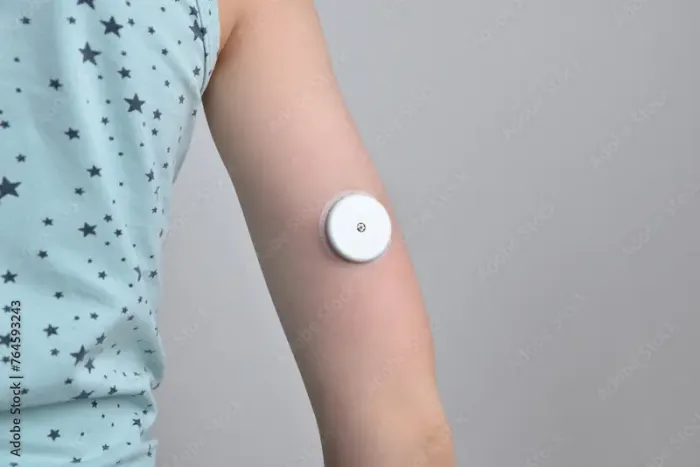
A CGM system is a small wearable device that continuously tracks glucose (sugar) levels in real-time. Unlike traditional finger-prick tests that give a single reading, a CGM provides updates every few minutes, helping parents and doctors monitor trends and make informed decisions about insulin and diet.
How Does CGM Work?
1. Sensor: A tiny sensor is inserted under the skin (usually on the arm or belly) to measure glucose levels in the fluid between cells.
2. Transmitter: The sensor sends glucose readings to a receiver or smartphone app.
3. Display Device: Parents and caregivers can view glucose trends, highs, and lows in real-time.
Some CGMs also send alerts if glucose levels are too high (hyperglycemia) or too low (hypoglycemia), helping prevent emergencies.
Consult Top Paediatrician for Personalised Advice
Why is CGM Beneficial for Children with Diabetes?
Children, especially young ones, may not always recognise symptoms of high or low blood sugar. CGM helps by:
Reducing finger pricks – Fewer painful tests mean less stress for kids.
Providing real-time data – Helps adjust insulin doses and food intake more accurately.
Alerting before emergencies – Alarms warn parents of dangerous highs or lows.
Tracking trends – Identifies patterns (e.g., nighttime drops or post-meal spikes).
Studies show that CGM use in children leads to better glucose control, fewer hospital visits, and improved quality of life for both kids and parents.
Who Can Use CGM?
CGM is recommended for children with:
• Type 1 diabetes (most common in kids).
• Type 2 diabetes (if insulin-dependent).
• Frequent hypoglycemia (low sugar) episodes.
Even babies and toddlers can use CGM safely under medical supervision.
Tips for Parents Using CGM for Their Child
The tips for parent while using CGM include:
1. Understand the Device – Learn how to insert the sensor, calibrate (if needed), and read the data.
2. Set Alerts Wisely – Customise high/low glucose alarms to avoid unnecessary alerts.
3. Keep Spare Sensors – Sensors need replacement every 7–14 days, depending on the brand.
4. Encourage Child Participation – Older kids can learn to check their own CGM readings.
5. Work with Your Doctor – Share CGM reports to adjust insulin doses effectively.
Diet and Lifestyle Tips for Better Glucose Control
Along with CGM, these habits help manage diabetes in children:
• Balanced meals – Include proteins, fibre, and healthy fats to avoid sugar spikes.
• Regular activity – Exercise helps stabilise blood sugar (monitor levels during play).
• Consistent sleep – Poor sleep affects glucose levels.
• Hydration – Water helps flush excess sugar.
When to See a Doctor?
Consult a pediatric diabetes specialist if:
• Your child’s glucose levels are often too high or too low.
• The CGM shows unexplained patterns.
• You need help adjusting insulin doses.
Final Thoughts
CGM is a game-changer for children with diabetes, offering real-time insights and reducing the stress of constant finger pricks. By combining CGM with healthy habits and medical support, parents can ensure their child grows up healthy and happy.
Consult Top Paediatrician for Personalised Advice
Consult Top Paediatrician for Personalised Advice

Dr. Saheli Dasgupta
Paediatrician
11 Years • MBBS, MD (Paediatrics), Indian Diploma of Paediatric Critical Care Medicine
Kolkata
Sristi Polyclinic, Kolkata

Dr. Shilpa Sirigiri
Paediatrician
10 Years • MBBS MD PAEDIATRICS
Bengaluru
Apollo Clinic, JP nagar, Bengaluru

Dr Rohith H R
Paediatrician
10 Years • MBBS, DCH, MD, DNB
Bengaluru
Apollo Clinic, JP nagar, Bengaluru

(25+ Patients)

Dr. Guruprasad N
Paediatrician
7 Years • MBBS, MD Peadiatrics, DNB pediatrics
Bangalore
Apollo Clinic Bellandur, Bangalore

Dr. S V S Sreedhar
Paediatrician
18 Years • MBBS,MD(Paediatrics) FIPEM(Fellowship in Paediatric Emergency Medicine) STEP, PGDID (PG Diploma In Infectious Diseases, Australia) Senior Pediatrician & HOD of the PAEDIATRIC EMERGENCY DEPARTMENT SENIOR SONSULTANT IN PEDIATRICS & PAEDIATRIC EMERGENCY MEDICINE Clinical supervisor for RCEM, UK. Clinical tutor in MACQUARIE University, Australia.
Hyderabad
Navyo childrens clinic, Hyderabad
(350+ Patients)
Consult Top Paediatrician for Personalised Advice
Dr. Saheli Dasgupta
Paediatrician
11 Years • MBBS, MD (Paediatrics), Indian Diploma of Paediatric Critical Care Medicine
Kolkata
Sristi Polyclinic, Kolkata
Dr. Shilpa Sirigiri
Paediatrician
10 Years • MBBS MD PAEDIATRICS
Bengaluru
Apollo Clinic, JP nagar, Bengaluru
Dr Rohith H R
Paediatrician
10 Years • MBBS, DCH, MD, DNB
Bengaluru
Apollo Clinic, JP nagar, Bengaluru
(25+ Patients)
Dr. Guruprasad N
Paediatrician
7 Years • MBBS, MD Peadiatrics, DNB pediatrics
Bangalore
Apollo Clinic Bellandur, Bangalore
Dr. S V S Sreedhar
Paediatrician
18 Years • MBBS,MD(Paediatrics) FIPEM(Fellowship in Paediatric Emergency Medicine) STEP, PGDID (PG Diploma In Infectious Diseases, Australia) Senior Pediatrician & HOD of the PAEDIATRIC EMERGENCY DEPARTMENT SENIOR SONSULTANT IN PEDIATRICS & PAEDIATRIC EMERGENCY MEDICINE Clinical supervisor for RCEM, UK. Clinical tutor in MACQUARIE University, Australia.
Hyderabad
Navyo childrens clinic, Hyderabad
(350+ Patients)