Diabetic Rage: Understanding Aggression in Diabetes
Explore "diabetic rage" – the link between blood sugar fluctuations and sudden aggression or mood swings in people with diabetes. Understand causes, symptoms, and strategies for managing these challenging behaviors.

Written by Dr. M L Ezhilarasan
Reviewed by Dr. D Bhanu Prakash MBBS, AFIH, Advanced certificate in critical care medicine, Fellowship in critical care medicine
Last updated on 13th Jan, 2026

Introduction
Living with diabetes can be challenging, not just physically but emotionally as well. One lesser-known but significant issue is "diabetic rage"—a term used to describe sudden outbursts of anger or aggression in people with diabetes. If you or a loved one has experienced unexplained mood swings, irritability, or anger, it might be linked to blood sugar fluctuations.
This article will help you understand what diabetic rage is, why it happens, and how to manage it effectively.
What is Diabetic Rage?
Diabetic rage refers to sudden, intense anger or aggression that can occur in people with diabetes, often due to unstable blood sugar levels. While not an official medical term, it highlights how diabetes can affect emotions and behavior.
Why Does It Happen?
Diabetes affects more than just blood sugar—it impacts the brain and nervous system. Here’s how:
1. Blood Sugar Swings – Extreme highs (hyperglycemia) or lows (hypoglycemia) can cause mood changes.
Low Blood Sugar (Hypoglycemia): When glucose levels drop, the brain lacks fuel, leading to confusion, irritability, and even aggression.
High Blood Sugar (Hyperglycemia): Prolonged high sugar levels can cause fatigue, frustration, and mood swings.
2. Stress and Mental Health – Managing diabetes daily can be stressful, leading to anxiety or depression, which may trigger anger.
3. Hormonal Imbalance – Fluctuating blood sugar affects hormones like adrenaline and cortisol, which regulate mood and stress responses.
Get Your Symptoms Assessed
Signs of Diabetic Rage
If you notice these symptoms in yourself or a loved one with diabetes, it might be linked to blood sugar issues:
Sudden irritability or anger
Uncharacteristic aggression
Confusion or difficulty concentrating
Shaking, sweating, or dizziness (signs of low blood sugar)
Fatigue or extreme tiredness
If these mood swings are frequent, it’s important to check blood sugar levels and consult a doctor.
Consult Top Physician For More Health Benefits
How to Manage Diabetic Rage
Ways to manage diabetic rage are:
1. Monitor Blood Sugar Regularly
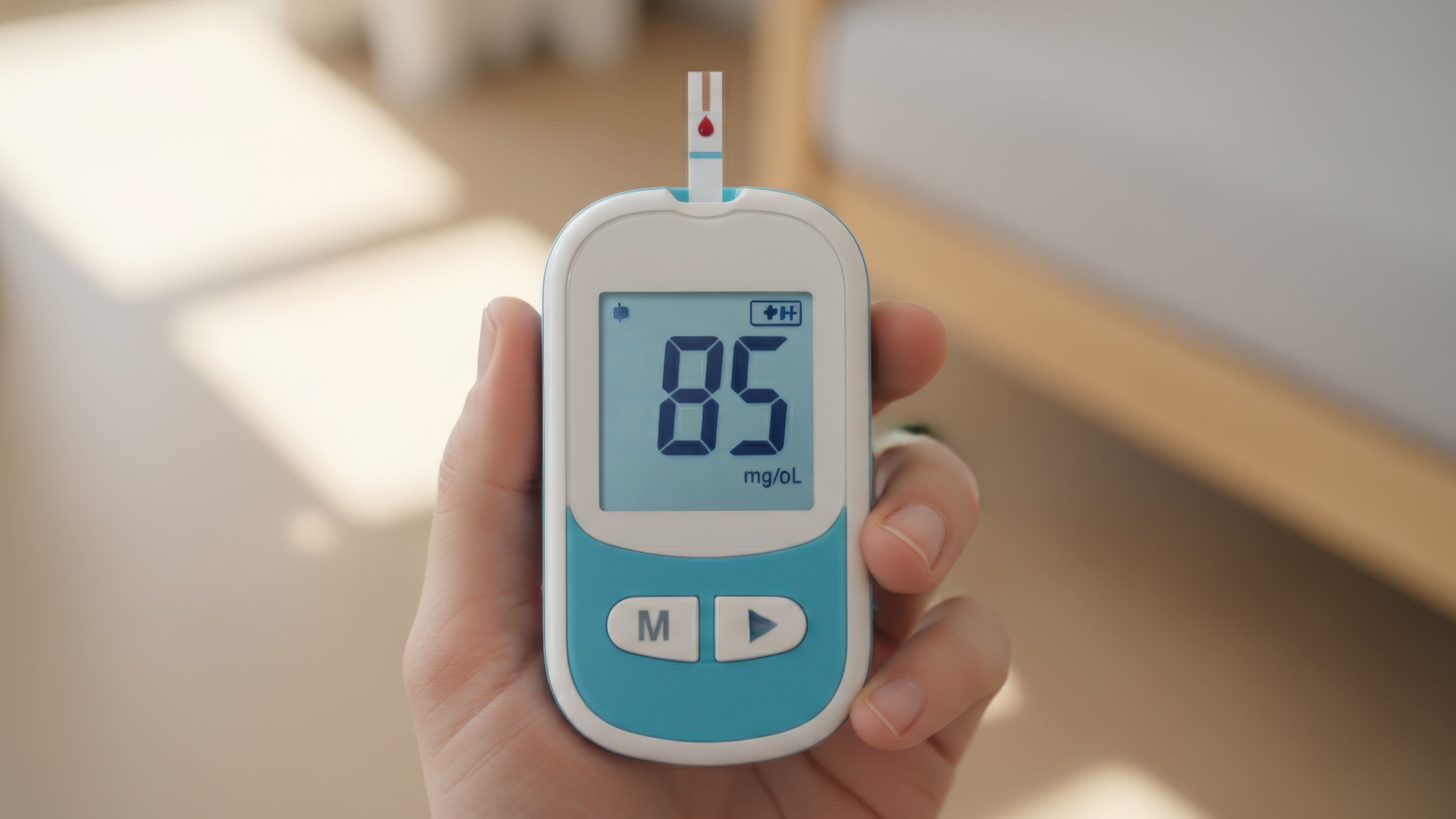
Keeping blood sugar stable is key. Use a glucometer or continuous glucose monitor (CGM) to track levels.
For hypoglycemia (low sugar): Eat a fast-acting carb (juice, glucose tablets).
For hyperglycemia (high sugar): Drink water, take insulin (if prescribed), and avoid sugary foods.
2. Eat a Balanced Diet
Avoid skipping meals to prevent sugar crashes.
Choose lowglycemic foods (whole grains, nuts, vegetables) for steady energy.
Limit caffeine and alcohol, which can worsen mood swings.
3. Stay Hydrated
Dehydration can mimic low blood sugar symptoms, increasing irritability.
4. Practice Stress Management
Deep breathing exercises
Yoga or meditation
Regular physical activity (walking, swimming)
5. Get Enough Sleep
Poor sleep affects blood sugar control and mood. Aim for 7-8 hours nightly.
6. Communicate with Loved Ones
If you experience diabetic rage, explain to family and friends that mood changes may be due to blood sugar fluctuations. This helps them support you better.
7. Seek Professional Help
If anger or mood swings persist, talk to a:
Diabetologist (for blood sugar management)
Psychologist/Therapist (for emotional support)
When to See a Doctor?
Consult a healthcare provider if:
Mood swings interfere with daily life
Frequent episodes of unexplained anger
Difficulty controlling emotions despite stable blood sugar
Apollo 24|7 offers expert diabetes care—book a consultation or lab test easily online!
Final Thoughts
Diabetic rage is a real but manageable issue. By keeping blood sugar levels stable, eating well, managing stress, and seeking help when needed, you can reduce mood swings and improve emotional wellbeing.
Remember, diabetes doesn’t just affect the body—it affects the mind too. Be patient with yourself and reach out for support when needed.
Consult Top Physician For More Health Benefits
Consult Top Physician For More Health Benefits

Dr. Rajib Ghose
General Physician/ Internal Medicine Specialist
25 Years • MBBS
East Midnapore
VIVEKANANDA SEBA SADAN, East Midnapore

Dr. Impana G N
Physician/ Internal Medicine/ Covid Consult
11 Years • MBBS,DNB FAMILY MEDICINE, MNAMS ,CCEBDM
Mysuru
Apollo BGS Hospital Adichuchanagiri Road, Mysuru

Dr. Soumen Paul
General Practitioner
24 Years • MBBS
Kolkata
MCR SUPER SPECIALITY POLY CLINIC & PATHOLOGY, Kolkata

(25+ Patients)

Dr. Vishal Kumar H
General Physician/ Internal Medicine Specialist
8 Years • MBBS, master class in critical care medicine, Advanced Post Graduate Diploma in Non Invasive Cardiology, certificate course in Cardiovascular Disease & Stroke, Certificate course in Common Mental Disorder
Bengaluru
Apollo Clinic, Basavanagudi, Bengaluru

Dr Aakash Andgi
General Physician/ Internal Medicine Specialist
9 Years • MBBS MD
Bengaluru
Apollo Clinic, JP nagar, Bengaluru