HbA1c 6.6: What You Need to Know
An HbA1c of 6.6% indicates elevated blood sugar levels. Learn what this means for your health, its implications for prediabetes or diabetes, and how to manage or reduce it.

Written by Dr. Siri Nallapu
Reviewed by Dr. J T Hema Pratima MBBS, Fellowship in Diabetes Mellitus
Last updated on 13th Jan, 2026
If you’ve recently had an HbA1c test and your result is 6.6%, you might be wondering what this means for your health. Don’t worry—we’re here to break it down in simple terms and guide you on what steps to take next.
What is HbA1c?
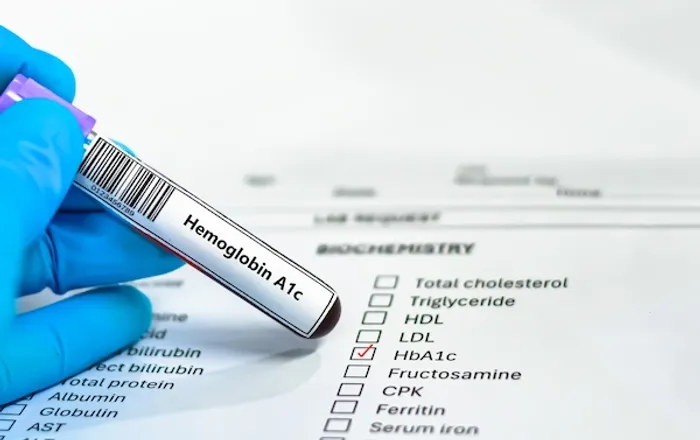
HbA1c, or Haemoglobin A1c, is a blood test that measures your average blood sugar (glucose) levels over the past 2-3 months. Unlike a regular blood sugar test (which shows your level at a single moment), HbA1c gives a broader picture of how well your body is managing glucose over time.
Normal range: Below 5.7%
Prediabetes range: 5.7% to 6.4%
Diabetes range: 6.5% or higher
Since your result is 6.6%, it falls in the diabetes range. But don’t panic—this doesn’t necessarily mean you have severe diabetes. It does, however, indicate that your blood sugar levels have been higher than normal, and you should take action to manage them.
What Does HbA1c 6.6 Mean for Your Health?
An HbA1c of 6.6% suggests that your average blood sugar has been around 140-150 mg/dL over the past few months. While this is not extremely high, it does put you at risk for:
Type 2 diabetes complications (if left uncontrolled)
Heart disease and stroke
Nerve damage (neuropathy)
Kidney problems
Eye damage (retinopathy)
Early detection means you can take steps to lower your HbA1c and reduce these risks.
Possible Causes of High HbA1c (6.6%)
Several factors can contribute to elevated HbA1c levels:
Insulin resistance: Your body isn’t using insulin effectively.
Poor diet: Too many sugary or processed foods.
Lack of exercise: Physical inactivity affects blood sugar control.
Genetics: Family history of diabetes can increase risk.
Stress & poor sleep: These can raise blood sugar levels.
Consult Top Specialists
What Should You Do Next?
1. Confirm with Your Doctor
An HbA1c of 6.6% is a sign to take action, but your doctor may recommend:
Repeat testing to confirm the result.
Additional tests (fasting blood sugar, oral glucose tolerance test).
Discussing symptoms (fatigue, frequent urination, increased thirst).
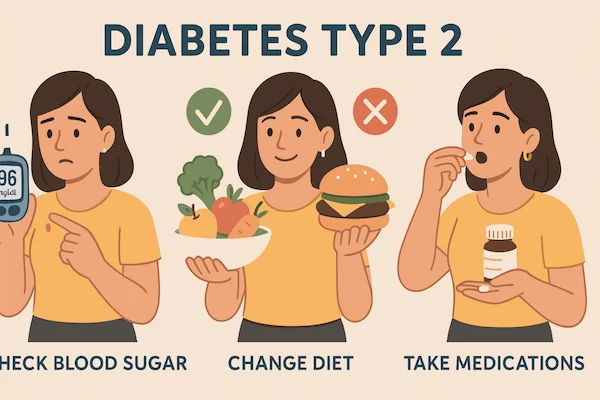
2. Make Lifestyle Changes
Small adjustments can make a big difference:
Eat a Balanced Diet
- Reduce sugar & refined carbs (white bread, sweets, sodas).
- Increase fibre (vegetables, whole grains, beans).
- Choose healthy fats (nuts, olive oil, avocados).
- Control portion sizes to avoid blood sugar spikes.
Stay Active
- Aim for 30 minutes of exercise (walking, cycling, yoga) most days.
- Strength training helps improve insulin sensitivity.
Manage Stress & Sleep
- Practice relaxation techniques (deep breathing, meditation).
- Get 7-8 hours of sleep per night.
3. Monitor Your Blood Sugar
If advised by your doctor, check blood sugar levels regularly.
Keep a log to track patterns and improvements.
4. Consider Medication (If Needed)
If lifestyle changes aren’t enough, your doctor may prescribe:
Metformin (helps lower blood sugar).
Other diabetes medications (if necessary).
When to See a Doctor?
If your HbA1c is 6.6%, it’s best to consult a doctor to:
Confirm the diagnosis
Get personalised advice
Prevent complications
You can book a consultation or lab test easily through Apollo 24|7 for expert guidance.
Conclusion
An HbA1c of 6.6% is a wake-up call, but not a life sentence. With healthy eating, regular exercise, and medical guidance, you can bring your levels down and protect your long-term health.
Consult Top Specialists
Consult Top Specialists

Dr. Impana G N
Physician/ Internal Medicine/ Covid Consult
11 Years • MBBS,DNB FAMILY MEDICINE, MNAMS ,CCEBDM
Mysuru
Apollo BGS Hospital Adichuchanagiri Road, Mysuru

Dr. Rakesh Kumar
General Physician/ Internal Medicine Specialist
15 Years • MBBS, MD General Medicine
Bengaluru
Apollo Hospital Sarjapur Road, Bengaluru

Dr. Neelam Vasudeva
General Physician/ Internal Medicine Specialist
13 Years • MBBS, MD (GENERAL MEDICINE)
Bengaluru
Svasthya Health, Bengaluru

Dr. Ashok M L
General Physician/ Internal Medicine Specialist
24 Years • MD Med.
Bengaluru
Apollo Hospitals Jayanagar, Bengaluru

(75+ Patients)

Dr. Sushma V Naidu
General Practitioner
16 Years • MBBS, MD (Pharmacology)
Bengaluru
Health Gate Diagnostics And Multi-Speciality, Bengaluru