Normal HbA1c Range for Different Ages
Discover the normal HbA1c range for various age groups, from children to older adults. Learn how age influences target levels and what’s considered healthy for effective diabetes management.

Written by Dr. Siri Nallapu
Reviewed by Dr. D Bhanu Prakash MBBS, AFIH, Advanced certificate in critical care medicine, Fellowship in critical care medicine
Last updated on 13th Jan, 2026

Maintaining good health is essential at every stage of life, and one key aspect of this is keeping your blood sugar levels in check. The HbA1c test is a simple blood test that helps monitor long-term blood sugar control. Whether you're a young adult, middle-aged, or a senior, knowing your normal HbA1c range can help you stay healthy and prevent complications related to diabetes.
What is HbA1c?
HbA1c (Hemoglobin A1c) is a blood test that measures your average blood sugar levels over the past 2-3 months. Unlike a regular blood sugar test, which gives a snapshot of your glucose levels at a single moment, HbA1c provides a broader picture of how well your body is managing sugar over time.
How it works: Glucose in your blood sticks to hemoglobin (a protein in red blood cells). The higher your blood sugar, the more glucose attaches to hemoglobin. The HbA1c test measures the percentage of hemoglobin coated with sugar.
Why is HbA1c Important?
Helps diagnose prediabetes and diabetes.
Monitors how well diabetes is being managed.
Reduces the risk of complications like heart disease, nerve damage, and kidney problems.
Normal HbA1c Range for Different Age Groups
The ideal HbA1c range can vary slightly depending on age, overall health, and medical history. Here’s a general guideline:
1. Children & Adolescents (Below 18 Years)
Normal Range: Less than 5.7%
Prediabetes: 5.7% - 6.4%
Diabetes: 6.5% or higher
Note: Children with diabetes may have slightly higher target ranges (around 7-7.5%) to avoid severe low blood sugar (hypoglycemia).
2. Adults (18-65 Years)
Normal Range: Less than 5.7%
Prediabetes: 5.7% - 6.4%
Diabetes: 6.5% or higher
For diabetic adults: The target HbA1c is usually below 7%, but this may vary based on individual health conditions.
Consult Top Specialists
3. Older Adults (65+ Years)
Normal Range: Less than 5.7%
Prediabetes: 5.7% - 6.4%
Diabetes: 6.5% or higher
For seniors with diabetes:
Healthy older adults: Target below 7-7.5%
Those with multiple health issues: A slightly higher range (below 8%) may be acceptable to avoid hypoglycemia.
What Affects HbA1c Levels?
Several factors can influence your HbA1c results:
Diet: High sugar and refined carbs can raise HbA1c.
Physical Activity: Regular exercise helps lower blood sugar.
Medications: Insulin and diabetes drugs impact HbA1c.
Health Conditions: Anaemia, kidney disease, or certain blood disorders may alter results.
How to Maintain a Healthy HbA1c Level?
Whether you have diabetes or want to prevent it, these lifestyle changes can help:
1. Eat a Balanced Diet
Focus on whole grains, lean proteins, healthy fats, and fibre-rich foods.
Limit sugary drinks, processed snacks, and refined carbs.
2. Stay Active
Aim for 30 minutes of moderate exercise (walking, cycling, swimming) most days.
3. Monitor Blood Sugar Regularly
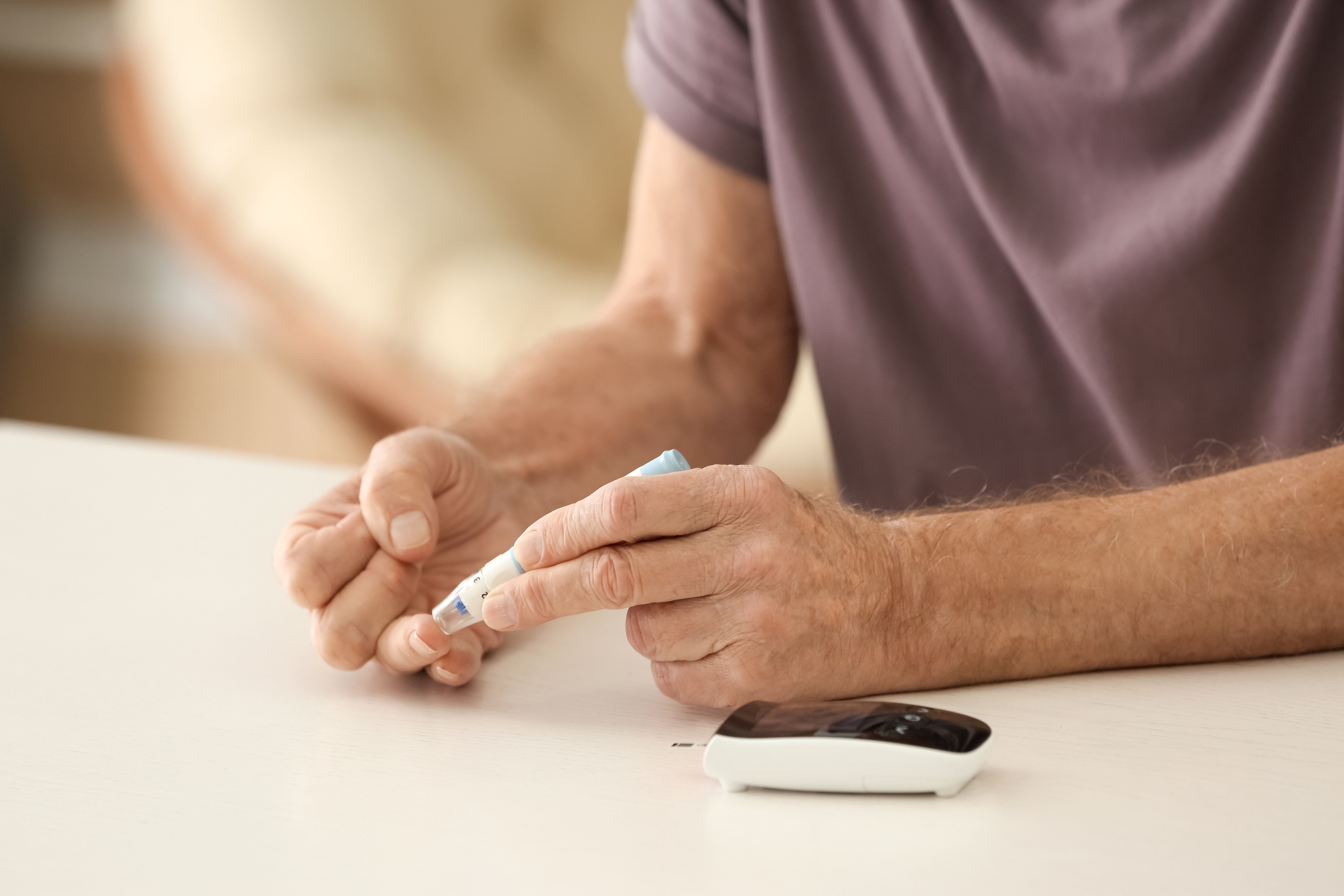
If diabetic, check glucose levels as advised by your doctor.
4. Manage Stress & Sleep Well
Chronic stress and poor sleep can raise blood sugar.
5. Regular Health Check-ups
Get an HbA1c test every 3-6 months if you have diabetes or prediabetes.
When to See a Doctor?
If your HbA1c is above 5.7%, consult a doctor for further evaluation.
Symptoms like frequent thirst, fatigue, blurred vision, or slow-healing wounds may indicate high blood sugar.
Book an HbA1c Test with Apollo 24|7
Worried about your blood sugar levels? Apollo 24|7 offers easy and convenient HbA1c testing at home or at a nearby lab. You can:
Schedule a test online
Get expert advice from doctors
Track your results digitally
Take control of your health today!
Conclusion
Understanding your HbA1c levels is crucial for long-term health, especially as you age. By maintaining a healthy lifestyle and getting regular check-ups, you can keep your blood sugar in check and reduce the risk of diabetes-related complications.
If you have concerns about your HbA1c levels, don’t hesitate to consult a healthcare professional. Your health matters—stay informed and take proactive steps today!
Consult Top Specialists
Consult Top Specialists

Dr. Rajib Ghose
General Physician/ Internal Medicine Specialist
25 Years • MBBS
East Midnapore
VIVEKANANDA SEBA SADAN, East Midnapore


Dr. Shesham Srinidhi
General Practitioner
5 Years • MD(physician)
Hyderabad
Apollo 24|7 Clinic, Hyderabad

(200+ Patients)

Dr. M. Krishna Bharath Reddy
General Physician/ Internal Medicine Specialist
10 Years • MD General Medicine, MRCP (London) and DM( Critical Care)
Chennai
Apollo One Chennai, Chennai

Dr. Mohamed Azeem
General Physician/ Internal Medicine Specialist
2 Years • MBBS,MD(Internal Medicine) CCEBDM
Karaikudi
Apollo Hospitals Karaikudi, Karaikudi

Dr. Impana G N
Physician/ Internal Medicine/ Covid Consult
11 Years • MBBS,DNB FAMILY MEDICINE, MNAMS ,CCEBDM
Mysuru
Apollo BGS Hospital Adichuchanagiri Road, Mysuru