Understanding Sugar Intake and Diabetes.
Understand how sugar intake affects diabetes, its symptoms, causes, and risk factors. Learn practical tips for prevention and management through diet, exercise, and expert care.

Written by Dr. Siri Nallapu
Reviewed by Dr. Shaik Abdul Kalam MD (Physician)
Last updated on 13th Jan, 2026

Introduction
Diabetes is a common yet serious health condition that affects millions of people worldwide. One of the biggest factors linked to diabetes is sugar intake. While sugar itself isn’t the sole cause of diabetes, excessive consumption can contribute to its development and make management difficult for those already diagnosed.
This article will help you understand the connection between sugar and diabetes, its symptoms, causes, and practical ways to manage it effectively.
What is Diabetes?
Diabetes is a chronic condition where the body either doesn’t produce enough insulin (Type 1 Diabetes) or cannot use insulin effectively (Type 2 Diabetes). Insulin is a hormone that helps regulate blood sugar (glucose) levels. When this process is disrupted, sugar builds up in the bloodstream, leading to various health complications.
Types of Diabetes:
1. Type 1 Diabetes – An autoimmune condition where the body attacks insulin-producing cells. It usually develops in childhood or adolescence.
2. Type 2 Diabetes – More common in adults, where the body becomes resistant to insulin or doesn’t produce enough. It’s often linked to lifestyle factors like poor diet and lack of exercise.
3. Gestational Diabetes – Occurs during pregnancy and usually resolves after childbirth, but increases the risk of Type 2 Diabetes later in life.
How Does Sugar Affect Diabetes?
Sugar (glucose) is the body’s primary energy source, but too much of it can be harmful. Here’s how sugar impacts diabetes:
High Sugar Intake → Excess sugar leads to weight gain and insulin resistance, increasing the risk of Type 2 Diabetes.
Blood Sugar Spikes – Sugary foods cause rapid rises in blood glucose, making diabetes harder to control.
Long-term complications – Uncontrolled diabetes can damage the heart, kidneys, nerves, and eyes.
Signs and Symptoms of Diabetes
Early detection can help manage diabetes better. Look out for these common symptoms:
Increased thirst and frequent urination
Unexplained weight loss (Type 1) or weight gain (Type 2)
Fatigue and irritability
Blurred vision
Slow-healing wounds
Tingling or numbness in hands/feet (nerve damage)
If you experience these symptoms, consult a doctor for proper testing.
Causes and Risk Factors
While sugar isn’t the only cause, several factors contribute to diabetes:
Genetics – Family history increases risk.
Obesity – Excess fat, especially around the abdomen, leads to insulin resistance.
Sedentary Lifestyle – Lack of physical activity worsens blood sugar control.
Unhealthy Diet – High intake of sugary, processed foods and refined carbs.
Age & Ethnicity – Risk increases after 45, and certain ethnic groups (South Asians, African Americans) are more prone.
Consult Top Specialists for Personalised Tips
Managing Sugar Intake for Diabetes Prevention & Control
The good news is that diabetes can often be managed—or even prevented—with healthy lifestyle changes.
1. Choose the Right Carbohydrates
Not all carbs are bad! Focus on:
Whole grains (brown rice, oats, quinoa)
Fiber-rich foods (vegetables, fruits, legumes)
Low-glycemic index (GI) foods (foods that release sugar slowly)
Avoid:
Sugary drinks (sodas, fruit juices)
Refined carbs (white bread, pastries)
Processed snacks (cookies, candies)
2. Eat Balanced Meals
Include protein (eggs, lean meat, tofu) and healthy fats (nuts, avocados, olive oil) to slow sugar absorption.
Portion control – Eating smaller, frequent meals helps maintain steady blood sugar.
3. Stay Active
Exercise helps your body use insulin better. Aim for:
30 minutes of moderate activity (walking, cycling) daily.
Strength training (twice a week) to improve muscle insulin sensitivity.
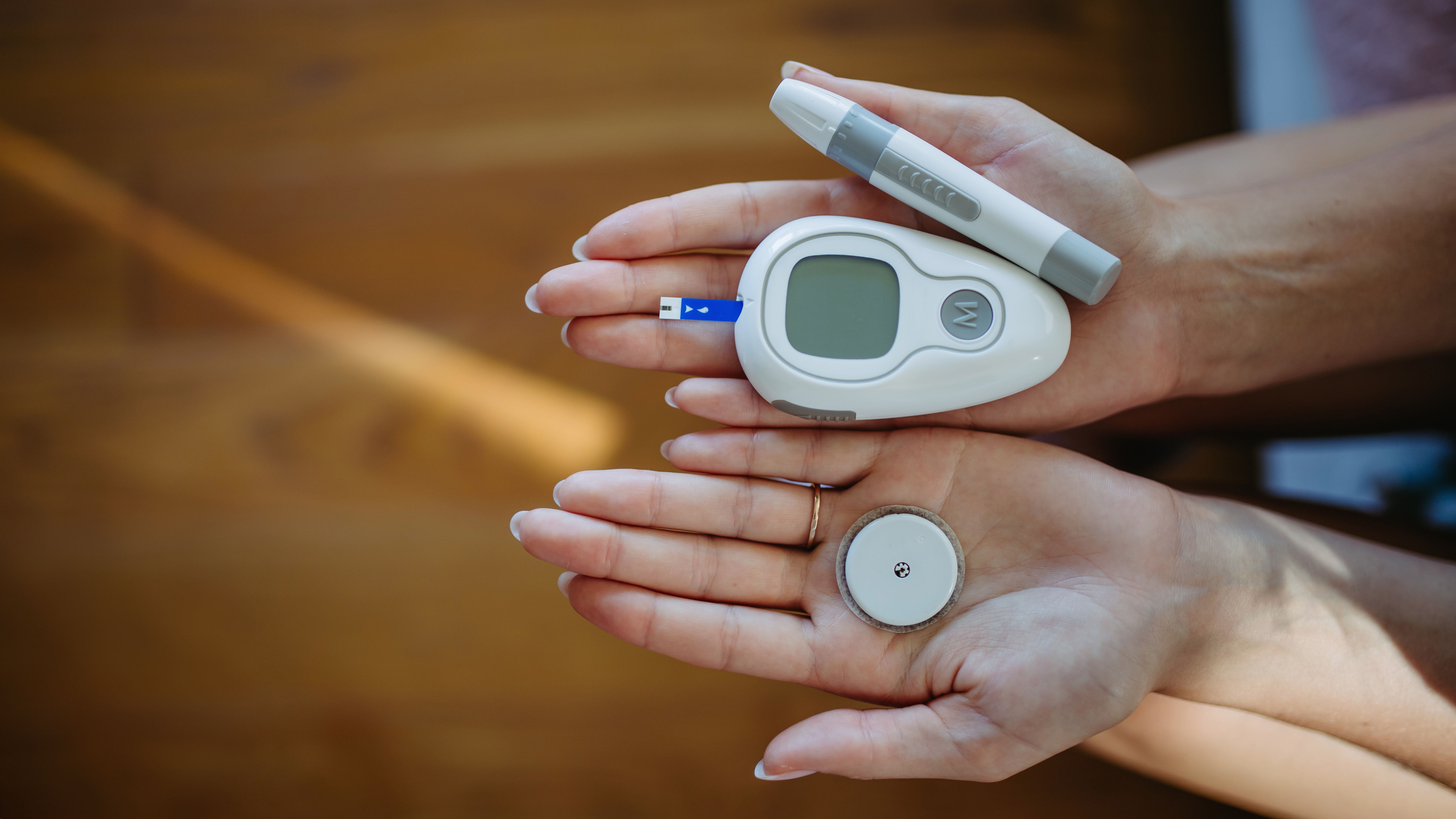
4. Monitor Blood Sugar Levels
If you have diabetes, regular monitoring helps track how food and activity affect your glucose levels.
5. Hydrate Wisely
Drink water instead of sugary beverages.
Limit alcohol, as it can cause blood sugar fluctuations.
6. Get Regular Check-ups
Visit your doctor for:
HbA1c tests (average blood sugar over 3 months)
Cholesterol & blood pressure checks (diabetes increases heart disease risk)
When to Seek Help?
If you:
Have a family history of diabetes
Are overweight with unhealthy eating habits
Experience diabetes symptoms
Consider booking a diabetes screening test. Early detection can prevent complications.
How Apollo 24|7 Can Help
If you’re concerned about diabetes or need expert advice, Apollo 24|7 offers:
Online consultations with diabetes specialists
Home blood sugar testing kits
Personalized diet and lifestyle guidance
You can easily book a consultation or lab test through the Apollo 24|7 app or website.
Conclusion
Understanding sugar’s role in diabetes is crucial for prevention and management. By making mindful food choices, staying active, and monitoring your health, you can reduce risks and live a healthier life.
Remember, small changes today can lead to big benefits tomorrow. If you have concerns about diabetes, don’t hesitate to reach out to a healthcare professional.
Consult Top Specialists
Consult Top Specialists for Personalised Tips

Dr. Rakesh Kumar
General Physician/ Internal Medicine Specialist
15 Years • MBBS, MD General Medicine
Bengaluru
Apollo Hospital Sarjapur Road, Bengaluru

Dr. Hariprasath J
General Physician/ Internal Medicine Specialist
19 Years • MD (Gen Med), FCCP, Dip (Diabetology, UK)
Chennai
Apollo First Med Hospitals P H Road, Chennai
(250+ Patients)

Dr. Mijanur Rahaman Mondal
General Practitioner
3 Years • MBBS
Kolkata
Dr Utsa Basu Clinic, Kolkata
(25+ Patients)
Dr. Swaroopa Rani
General Physician/ Internal Medicine Specialist
9 Years • MBBS, MD (Internal Medicine)
Bengaluru
Apollo Medical Center, Marathahalli, Bengaluru
Dr. Sujay P R
General Physician/ Internal Medicine Specialist
3 Years • MBBS
Bengaluru
PRESTIGE SHANTHINIKETAN - SOCIETY CLINIC, Bengaluru
Consult Top Specialists
Dr. Rakesh Kumar
General Physician/ Internal Medicine Specialist
15 Years • MBBS, MD General Medicine
Bengaluru
Apollo Hospital Sarjapur Road, Bengaluru
Dr. Hariprasath J
General Physician/ Internal Medicine Specialist
19 Years • MD (Gen Med), FCCP, Dip (Diabetology, UK)
Chennai
Apollo First Med Hospitals P H Road, Chennai
(250+ Patients)
Dr. Mijanur Rahaman Mondal
General Practitioner
3 Years • MBBS
Kolkata
Dr Utsa Basu Clinic, Kolkata
(25+ Patients)
Dr. Swaroopa Rani
General Physician/ Internal Medicine Specialist
9 Years • MBBS, MD (Internal Medicine)
Bengaluru
Apollo Medical Center, Marathahalli, Bengaluru
Dr. Sujay P R
General Physician/ Internal Medicine Specialist
3 Years • MBBS
Bengaluru
PRESTIGE SHANTHINIKETAN - SOCIETY CLINIC, Bengaluru