


Guide to Diabetes Nephropathy Kidney Disease
A comprehensive guide to understanding and managing diabetic nephropathy (kidney disease). Learn about symptoms, stages, treatment options, and prevention strategies to protect your kidneys.

Written by Dr. Siri Nallapu
Reviewed by Dr. Dhankecha Mayank Dineshbhai MBBS
Last updated on 13th Jan, 2026
Introduction
Diabetes is a condition that demands constant attention, not just for blood sugar levels, but for the overall health of your body. One of its most serious complications is diabetic nephropathy, a type of kidney disease that affects a significant portion of people with diabetes. Often developing silently over years, this damage to the kidneys' delicate filtering system can have severe consequences if left unchecked. But here's the crucial message: diabetic nephropathy is not inevitable. With knowledge, early detection, and proactive management, you can significantly slow its progression and protect your long-term health. This comprehensive guide will walk you through everything you need to know—from understanding the causes and recognizing the subtle symptoms to exploring the latest treatment options and preventive strategies. Let's empower you to take control of your kidney health.
What is Diabetic Nephropathy?
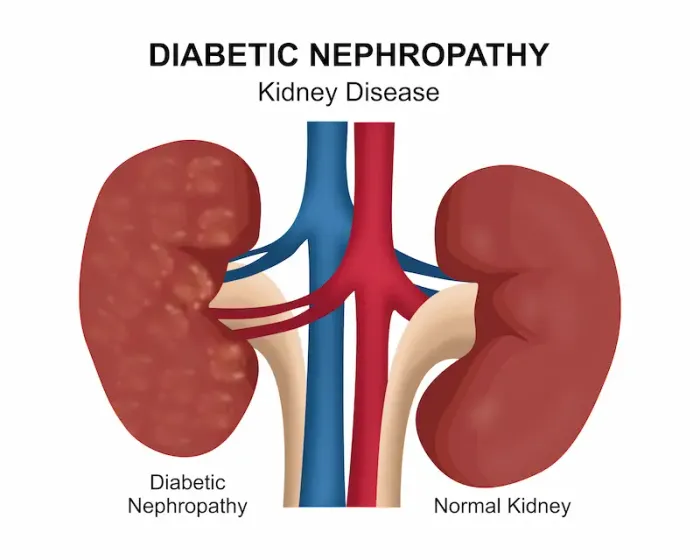
Diabetic nephropathy is the medical term for kidney damage that results from having diabetes. Your kidneys are incredible organs filled with millions of tiny blood vessels called glomeruli that act as filters, removing waste and excess fluid from your blood. Over time, persistently high blood sugar levels associated with diabetes can damage these delicate filters and the surrounding structures.
This damage causes the filters to become leaky, allowing a protein called albumin to pass into the urine—a condition known as proteinuria. Initially, only small amounts leak (microalbuminuria), but as the disease progresses, the leakage increases. This is a primary sign of declining kidney function. If uncontrolled, diabetic nephropathy can eventually lead to end-stage renal disease (ESRD), requiring dialysis or a kidney transplant to sustain life.
How Does Diabetes Damage the Kidneys?
The damage occurs through several interconnected mechanisms. High blood sugar (hyperglycemia) forces the kidneys to filter too much blood, putting excessive strain on the glomeruli. This hyperfiltration, over years, thickens and scars the filters (a process called glomerulosclerosis). Additionally, high sugar levels can cause direct chemical damage to the glomeruli and the small arteries within the kidneys. Often accompanying diabetes, high blood pressure (hypertension) further accelerates kidney damage by putting additional pressure on the already weakened blood vessels.Consult Top Specialists
Recognizing the Signs: Symptoms of Diabetic Kidney Disease
The most challenging aspect of diabetic kidney disease is its stealthy nature. In the early stages, there are often no obvious signs you can feel.
Early-Stage Symptoms (Often Silent)
• Increased Albumin in Urine: This is detectable only through a specific urine test (UACR) and is the earliest sign.
• Rise in Blood Pressure: Hypertension can be both a cause and a consequence of worsening kidney function.
• Slight changes in eGFR: A blood test will show a gradual decline in the estimated glomerular filtration rate.
Late-Stage Symptoms
As kidney function drops below 25%, waste builds up in the body, leading to more noticeable symptoms of kidney failure:
• Swelling (Edema): Particularly in the feet, ankles, hands, and around the eyes due to fluid retention.
• Foamy or Bubbly Urine: Caused by high levels of protein.
• Fatigue and Weakness: Due to a buildup of toxins and anemia, a common complication.
• Nausea, Vomiting, and Loss of Appetite.
• Difficulty Sleeping and Trouble Concentrating.
• Persistent Itching: From mineral and bone disease that occurs with advanced kidney failure.
Unique Insight: Many people attribute early symptoms like fatigue and mild swelling solely to "getting older" or a busy lifestyle, overlooking the possibility of underlying kidney issues. This is why regular screening is non-negotiable for diabetics, even if you feel perfectly fine.
Getting a Diagnosis: Tests for Kidney Function
Early diagnosis is paramount. The National Kidney Foundation recommends that all people with diabetes undergo annual screening for kidney disease. This involves two simple tests.
The Urine Albumin-Creatinine Ratio (UACR) Test
This test measures the amount of albumin (a protein) in your urine. A high UACR (≥30 mg/g) is a key early indicator that your kidneys' filters are damaged and are leaking protein. Apollo24|7 offers a convenient home collection for tests like the UACR, making it easier to stay on top of your annual screening without a clinic visit.
The Estimated Glomerular Filtration Rate (eGFR) Test
This is a calculation based on a blood test that measures your creatinine levels (a waste product). Your eGFR tells you how well your kidneys are filtering blood. A lower eGFR indicates reduced kidney function. The stages of CKD are primarily based on your eGFR number.
Other Diagnostic Procedures
If the results are unclear or if there is a rapid decline in function, your doctor may recommend additional tests like a renal ultrasound or, in rare cases, a kidney biopsy to determine the exact cause of the damage.
Can Diabetic Nephropathy Be Reversed? Treatment and Management
While existing scar tissue on the kidneys cannot be reversed, the progression of the disease can almost always be slowed down significantly, especially if caught early. Treatment for diabetic nephropathy focuses on intense management of the underlying causes.
Medication: The First Line of Defense
• Blood Pressure Control: Medications like ACE inhibitors or ARBs are typically first-choice. They not only lower blood pressure but also reduce proteinuria and directly protect the kidneys.
• Blood Sugar Control: Maintaining a target HbA1c level (usually below 7% for most) is critical. Apollo24|7 offers a convenient home collection for tests like HbA1c to help you monitor your control.
• SGLT2 Inhibitors: This newer class of diabetes medication has shown remarkable benefits in slowing the progression of kidney disease and reducing cardiovascular risk.
• Other Medications: may include diuretics (water pills) to control edema and statins to manage cholesterol.
Dietary Changes for Kidney Health
A kidney-friendly diet for diabetic kidney disease often involves:
• Limiting Sodium: To control blood pressure and swelling.
• Moderating Protein Intake: Reducing protein consumption can lessen the kidneys' workload.
• Monitoring Potassium and Phosphorus: As kidney function declines, these minerals can build up to dangerous levels.
• Unique Insight: The old approach was simply to restrict protein heavily. The modern approach is more nuanced, focusing on the quality of protein (prioritizing plant-based sources like lentils and beans over red meat) and tailoring the amount to the individual's specific stage of CKD and nutritional needs.
It's highly recommended to work with a renal dietitian to create a personalized plan that also manages your diabetes.
Consult Top Specialists
Conclusion
Living with diabetes requires a proactive approach to health, and safeguarding your kidneys is one of the most important steps you can take. Diabetic nephropathy doesn't have to be an inevitable outcome. By understanding the risks, committing to regular screenings, and diligently managing your blood sugar and blood pressure, you hold significant power to protect your kidney function and maintain your quality of life. Remember, the journey is ongoing, and you don't have to navigate it alone. If you have diabetes and haven't had a kidney function test in the past year, consult a doctor online with Apollo24|7 for further evaluation and to order the necessary tests. Taking action today can make all the difference for your health tomorrow.
Consult Top Specialists

Dr. Rajib Ghose
General Physician/ Internal Medicine Specialist
25 Years • MBBS
East Midnapore
VIVEKANANDA SEBA SADAN, East Midnapore

Dr. Impana G N
Physician/ Internal Medicine/ Covid Consult
11 Years • MBBS,DNB FAMILY MEDICINE, MNAMS ,CCEBDM
Mysuru
Apollo BGS Hospital Adichuchanagiri Road, Mysuru

Dr. Mijanur Rahaman Mondal
General Practitioner
3 Years • MBBS
Kolkata
Dr Utsa Basu Clinic, Kolkata

(25+ Patients)

Dr. Anand Ravi
General Physician
2 Years • MBBS, FEM
Bengaluru
PRESTIGE SHANTHINIKETAN - SOCIETY CLINIC, Bengaluru

Dr. Shamanth Y B
General Physician/ Internal Medicine Specialist
5 Years • MBBS
Bengaluru
Apollo Medical Center, Marathahalli, Bengaluru
(50+ Patients)
Consult Top Specialists
Dr. Rajib Ghose
General Physician/ Internal Medicine Specialist
25 Years • MBBS
East Midnapore
VIVEKANANDA SEBA SADAN, East Midnapore
Dr. Impana G N
Physician/ Internal Medicine/ Covid Consult
11 Years • MBBS,DNB FAMILY MEDICINE, MNAMS ,CCEBDM
Mysuru
Apollo BGS Hospital Adichuchanagiri Road, Mysuru
Dr. Mijanur Rahaman Mondal
General Practitioner
3 Years • MBBS
Kolkata
Dr Utsa Basu Clinic, Kolkata
(25+ Patients)
Dr. Anand Ravi
General Physician
2 Years • MBBS, FEM
Bengaluru
PRESTIGE SHANTHINIKETAN - SOCIETY CLINIC, Bengaluru
Dr. Shamanth Y B
General Physician/ Internal Medicine Specialist
5 Years • MBBS
Bengaluru
Apollo Medical Center, Marathahalli, Bengaluru
(50+ Patients)
Frequently Asked Questions
1. Can kidney damage from diabetes be reversed?
While existing scar tissue on the kidneys is permanent, the progression of the disease can be slowed, stopped, or significantly delayed with early and aggressive treatment. The goal is to preserve remaining kidney function.
2. What are the first signs of kidney failure from diabetes?
The very first signs are not physical but show up on lab tests: a small amount of protein in the urine (microalbuminuria) and a slight rise in blood pressure. Physical symptoms like swelling and fatigue only appear in the later stages of kidney failure.
3. What is the life expectancy for someone with diabetic nephropathy?
Life expectancy varies greatly and depends on the stage at diagnosis, age, overall health, and most importantly, how well the condition is managed. With modern treatments and good control of sugar and blood pressure, many people live long, full lives without ever reaching end-stage kidney failure.
4. What foods should I avoid with diabetic kidney disease?
It's best to work with a dietitian, but generally, you may need to limit foods high in sodium (processed foods, canned soups), potassium (bananas, oranges, potatoes, tomatoes), phosphorus (dairy, nuts, dark sodas), and protein (especially red meat).
5. At what stage of diabetic kidney disease is dialysis needed?
Dialysis is typically considered when kidney function drops to a critical level, usually at Stage 5 CKD, which is an eGFR of less than 15 mL/min. This is known as end-stage renal disease (ESRD), where the kidneys can no longer support the body's needs.