How To Reduce Insulin Resistance?
Learn how to reduce insulin resistance naturally through diet, exercise, stress management, and healthy habits to protect your long-term health and well-being.

Written by Dr. Shaik Abdul Kalam
Reviewed by Dr. Md Yusuf Shareef MBBS, Advanced Certificate Course in Dermatology
Last updated on 13th Jan, 2026
Introduction
Insulin resistance is a common health issue that affects millions of people worldwide. If left unmanaged, it can lead to serious conditions like type 2 diabetes, heart disease, and obesity. The good news is that with the right lifestyle changes, you can reduce insulin resistance and improve your overall health.
In this article, we’ll explain what insulin resistance is, its causes, symptoms, and most importantly, how you can manage and even reverse it naturally.
What Is Insulin Resistance?
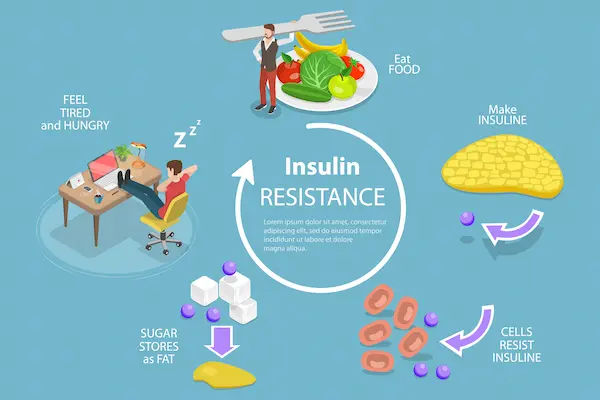
Insulin is a hormone produced by the pancreas that helps your body use glucose (sugar) from food for energy. When you have insulin resistance, your body’s cells don’t respond well to insulin, making it harder for glucose to enter them. As a result, your pancreas produces more insulin to compensate, leading to high blood sugar levels. Over time, this can develop into prediabetes or type 2 diabetes.
1. Common Symptoms of Insulin Resistance
Many people with insulin resistance don’t realise they have it because symptoms can be subtle. Look out for:
Fatigue – Feeling tired even after a full night’s sleep.
Increased hunger – Particularly craving sugary or carb-heavy foods.
Weight gain – Sudden weight gain, especially around the belly.
Dark patches on skin (Acanthosis nigricans) – Commonly appearing on the neck, armpits, or groin.
High blood sugar levels – Often detected through blood tests.
If you notice these signs, it’s a good idea to consult a doctor for a proper diagnosis.
Consult Top Doctors for Your Symptoms
2. What Causes Insulin Resistance?
Several factors contribute to insulin resistance, including:
Poor diet – High intake of sugar, refined carbs, and processed foods.
Sedentary lifestyle – Minimal to no physical activity.
Excess body fat – Particularly around the abdomen.
Chronic stress – High cortisol levels disturb insulin function.
Lack of sleep – Poor sleep disrupts hormone balance.
Genetics – A family history of diabetes can increase risk.
How to Reduce Insulin Resistance Naturally?
The best way to manage insulin resistance is through healthy lifestyle changes. Here’s what you can do:
1. Eat a Balanced Diet
Maintaining a nutritious and well-rounded diet is crucial for controlling insulin levels.
Choose whole foods – Focus on vegetables, lean proteins, whole grains, and healthy fats.
Reduce sugar and refined carbs – Avoid sugary drinks, white bread, and processed snacks.
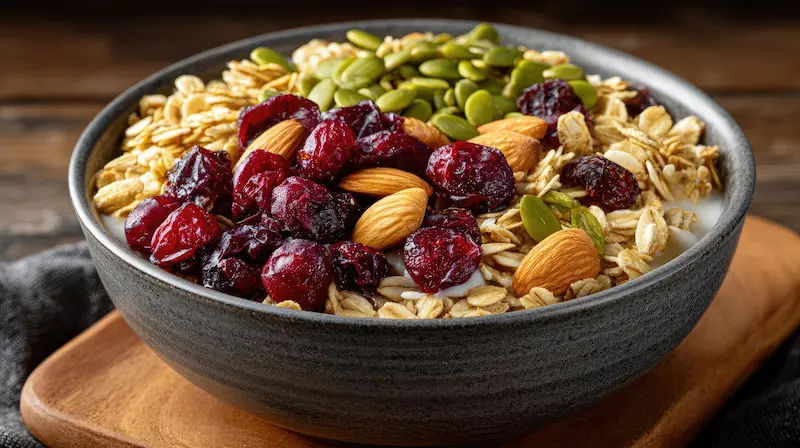
Increase fibre intake – Foods like oats, beans, and leafy greens help stabilise blood sugar.
Healthy fats – Include avocados, nuts, seeds, and olive oil.
2. Exercise Regularly
Physical activity plays a major role in enhancing insulin sensitivity.
Aim for 150 minutes of moderate exercise per week such as walking, cycling, or swimming.
Increase strength training to build muscle, which improves insulin sensitivity.
Stay active throughout the day and minimise sitting for long periods.
3. Lose Excess Weight
Managing your weight can make a profound difference in reversing insulin resistance.
Even a 5-10% reduction in body weight can significantly improve insulin sensitivity.
Focus on gradual, sustainable habit changes rather than crash diets.
4. Get Enough Sleep
Prioritising good-quality sleep supports healthy hormone function.
Aim for 7–9 hours of sleep each night to support hormone balance.
Maintain a consistent sleep schedule by going to bed and waking up at the same time daily.
5. Manage Stress
Reducing stress is essential for maintaining balanced insulin and cortisol levels.
Practice relaxation techniques such as meditation, deep breathing, or yoga.
Stay socially connected to help reduce emotional stress.
6. Stay Hydrated
Proper hydration helps the body maintain stable blood sugar levels.
Drink plenty of water to help flush out excess sugar through urine.
Avoid sugary drinks and opt for herbal teas or infused water instead.
7. Consider Supplements (After Consulting a Doctor)
In some cases, certain supplements may provide additional support for improving insulin sensitivity. Consult a medical practitioner before committing to any supplements.
Magnesium, chromium, and omega-3s may help improve insulin sensitivity.
Diluted apple cider vinegar taken before meals may help lower blood sugar spikes.
When to See a Doctor
If you suspect insulin resistance, it’s important to get tested. A doctor may recommend:
Fasting blood sugar test
HbA1c test
Insulin sensitivity tests
Early detection can prevent complications like diabetes and heart disease.

Final Thoughts
Insulin resistance is manageable, and even reversible, with the right lifestyle changes. By eating well, staying active, managing stress, and getting enough sleep, you can improve your body’s insulin response and protect your long-term health.
If you need personalised advice, consider booking a consultation with a healthcare expert on Apollo 24|7.
Consult Top Endocrinologists
Consult Top Doctors for Your Symptoms

Dr. Shrikrishna V Acharya
Endocrinologist
25 Years • MBBS, MD, DM(Endocrinology), MRCP (Endocrinology)
Bengaluru
Apollo Clinic, JP nagar, Bengaluru

Dr. Shruthi B
Endocrinologist
20 Years • MBBS,MD ( GEN MED) DM (ENDOCRIONOLOGY)
Bengaluru
Apollo Clinic, JP nagar, Bengaluru

(25+ Patients)

Dr Sakshi Gagneja
Endocrinologist
7 Years • DNB (Medicine – Gold Medal), DrNB (Endocrinology )
Lucknow
Apollomedics Super Speciality Hospital, Lucknow
(25+ Patients)

Dr. E Prabhakar Sastry
General Physician/ Internal Medicine Specialist
40 Years • MD(Internal Medicine)
Manikonda Jagir
Apollo Clinic, Manikonda, Manikonda Jagir
(200+ Patients)

Dr. Nilotpal Mitra
General Practitioner
21 Years • MBBS, PGDGM ( Geriatric Medicine), ACMDC (an Advance course in Diabetes and cardiovascular diseases from PHFI and WHF )
Kolkata
MCR SUPER SPECIALITY POLY CLINIC & PATHOLOGY, Kolkata
(50+ Patients)
Consult Top Endocrinologists
Dr. Shrikrishna V Acharya
Endocrinologist
25 Years • MBBS, MD, DM(Endocrinology), MRCP (Endocrinology)
Bengaluru
Apollo Clinic, JP nagar, Bengaluru
Dr. Shruthi B
Endocrinologist
20 Years • MBBS,MD ( GEN MED) DM (ENDOCRIONOLOGY)
Bengaluru
Apollo Clinic, JP nagar, Bengaluru
(25+ Patients)
Dr Sakshi Gagneja
Endocrinologist
7 Years • DNB (Medicine – Gold Medal), DrNB (Endocrinology )
Lucknow
Apollomedics Super Speciality Hospital, Lucknow
(25+ Patients)
Dr. E Prabhakar Sastry
General Physician/ Internal Medicine Specialist
40 Years • MD(Internal Medicine)
Manikonda Jagir
Apollo Clinic, Manikonda, Manikonda Jagir
(200+ Patients)
Dr. Nilotpal Mitra
General Practitioner
21 Years • MBBS, PGDGM ( Geriatric Medicine), ACMDC (an Advance course in Diabetes and cardiovascular diseases from PHFI and WHF )
Kolkata
MCR SUPER SPECIALITY POLY CLINIC & PATHOLOGY, Kolkata
(50+ Patients)